Manchester, UK
Kerri held leadership roles in the UK’s second city, Manchester, for several years at the start of her career, at a time when the city was a groundbreaking innovator and the leading UK city for urban regeneration and renewal.
Kerri worked for the City of Manchester from the mid-1990s until 2002, leading a unique multi-disciplinary team that worked across Council directorates & departments, often on innovative pilots and initiatives in physical and socio-economic regeneration.
Key areas of work included:-
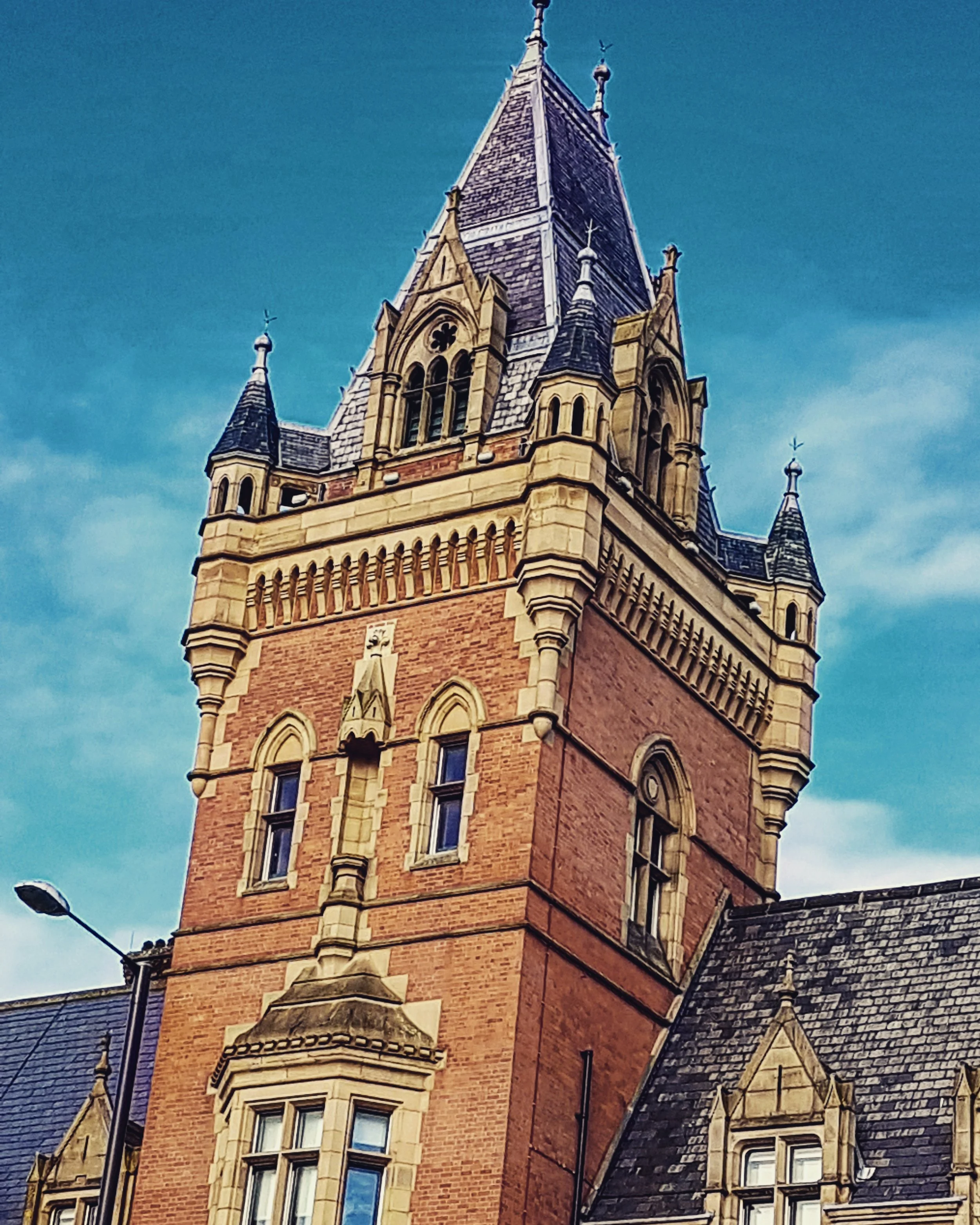
the UK £500m (approx. EUR 750m) reconstruction of 2 sq km of the city centre destroyed in the 1996 IRA Bomb, which was rebuilt in a unique public-private partnership after an international design competition. The remodelled pedestrian-friendly footprint, was more in line with its original Victorian layout, but incorporated new public spaces, greenspaces and landmark buildings that complemented the surviving Neo-Gothic building architecture
the UK £100m refurbishment & extension of the city’s main railway station, Piccadilly, and accessibility (pedestrian, vehicular, LRT)
planning & delivery of the 2002 Commonwealth Games (CG2002), which until the 2012 Olympics was the largest-ever multisport event held in the UK, with almost 400 athletes from 72 countries supported by ‘Crew2002’ - a newly-formed bank of 10,000 volunteers. CG2002 won multiple awards for its regeneration and legacy planning, including a commendation by the UN, and is still cited in the Playbooks by the International Olypmpic Committee (IOC) and Commonwealth Games Federation (CGF)
development of ‘SportCity’, a new neighbourhood of world-class sports & performance facilities, venues and HQs, anchored by the City of Manchester stadium used for CG2002, and by Manchester City FC as their permanent home stadium.
development & delivery of city-wide regeneration plans and neighbourhood strategic frameworks; and key sites & associated infrastructure (transport, leisure, etc)
corporate lead on key initiatives eg. the unique public-private joint venture (JV) with Manchester Airport Plc, which involved land swops, decanting and co-development at the Airport and at multiple sites within a 2km radius; and the establishment of MIDAS, the UK’s first stand-alone city inwards investment agency
developing, leading & managing significant internal & external investment programmes, including national level (eg. SRB, City Challenge) and international level (EU ERDF, ESF, URBAN, URBACT, Interreg, EIB, etc)
international representation of Manchester, through city twinning/concordats (eg. Wuhan, Barcelona, etc), international trade links, and networks & EU programmes such as EUROCITIES, CABERNET, etc
Gallery: