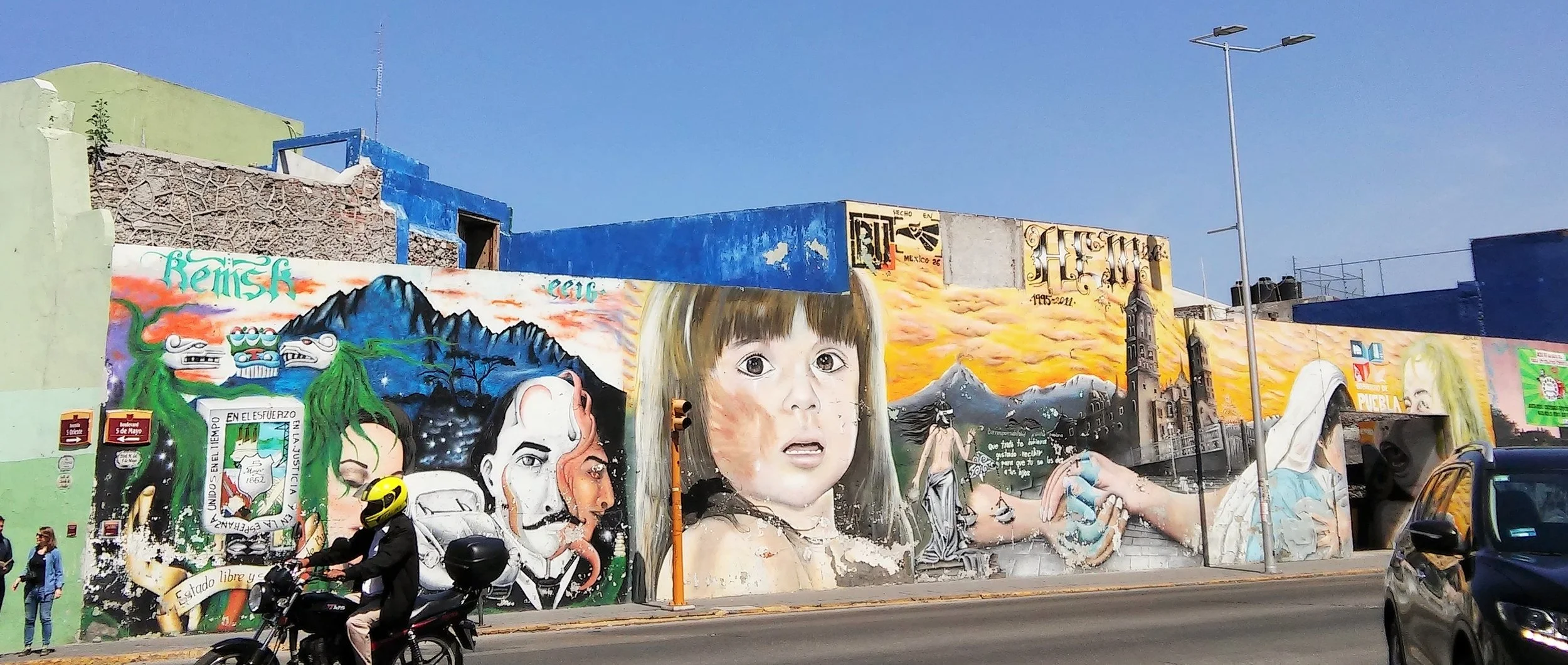
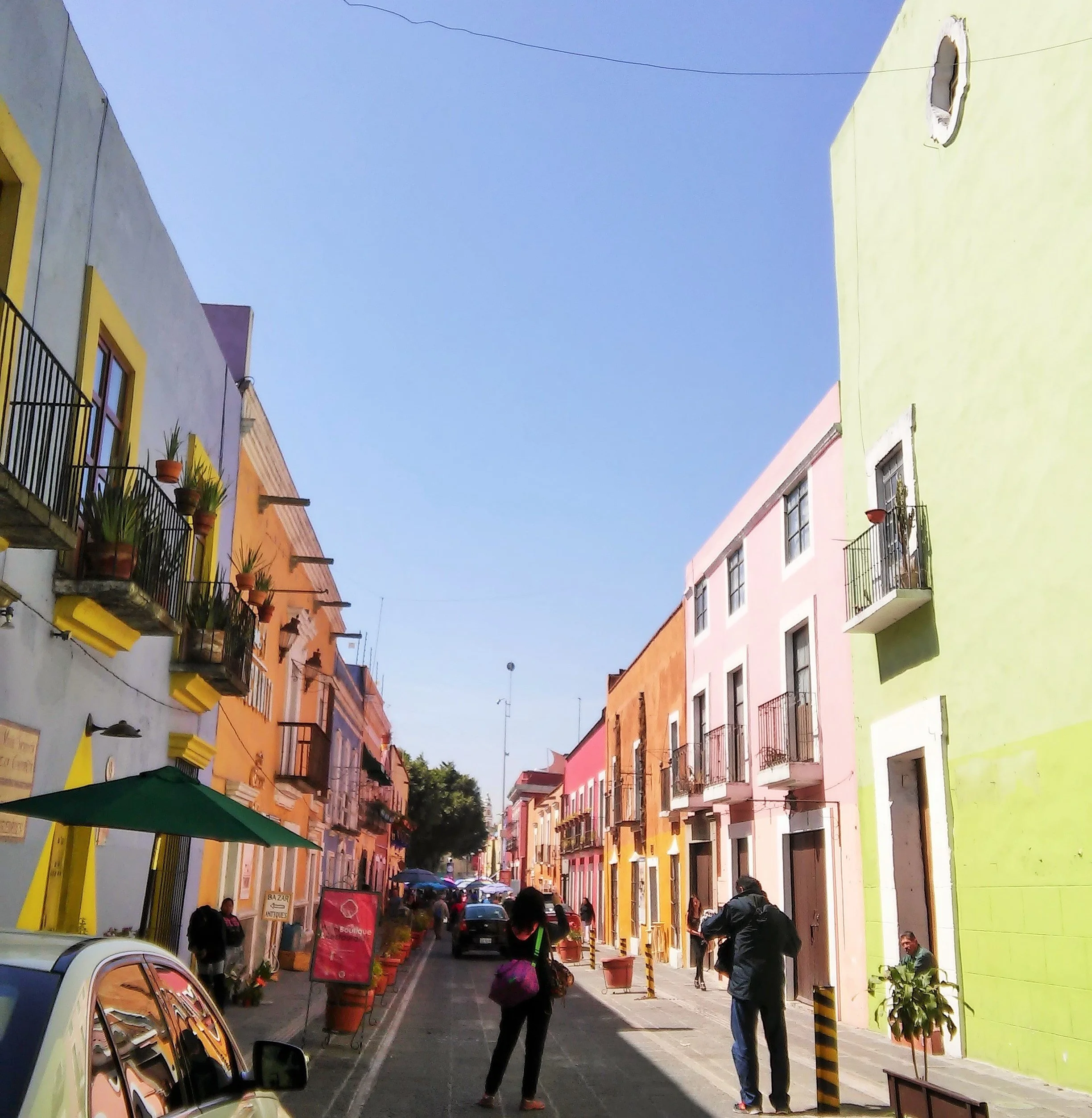
City of Puebla, Mexico
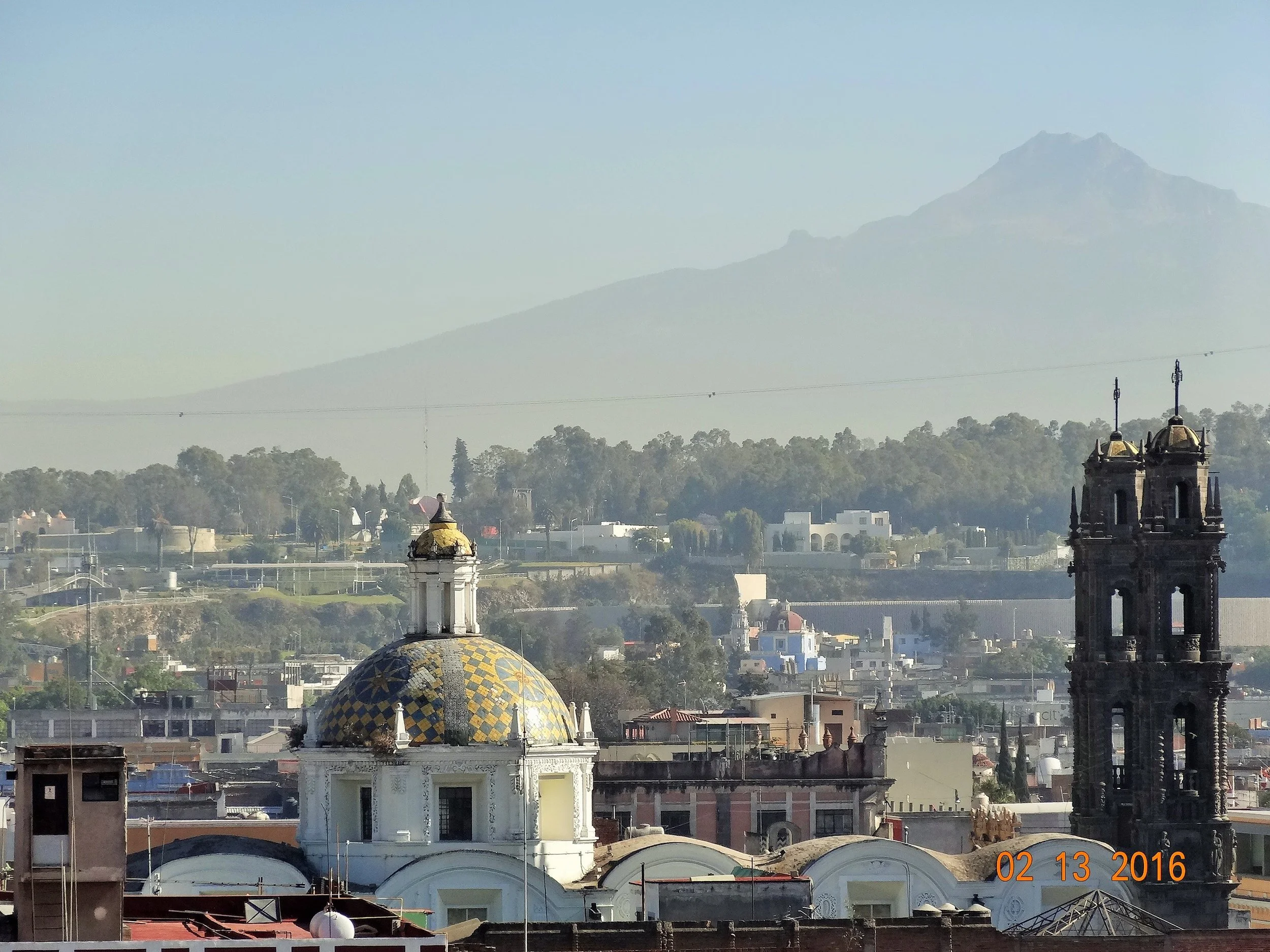
At 3.2m inhabitants and 270 sq miles, Puebla is Mexico’s second largest city. Located 150km SE of Mexico City, it sits on a high valley plain, surrounded on all sides by active and dormant volcanic mountain ranges, including Popocatépetl – at 5,426 m (17,802 ft) the second-highest mountain in Mexico and one of the largest active volcanoes in the world – and the dormant La Malinche (4,440 metres / 14,567 ft).
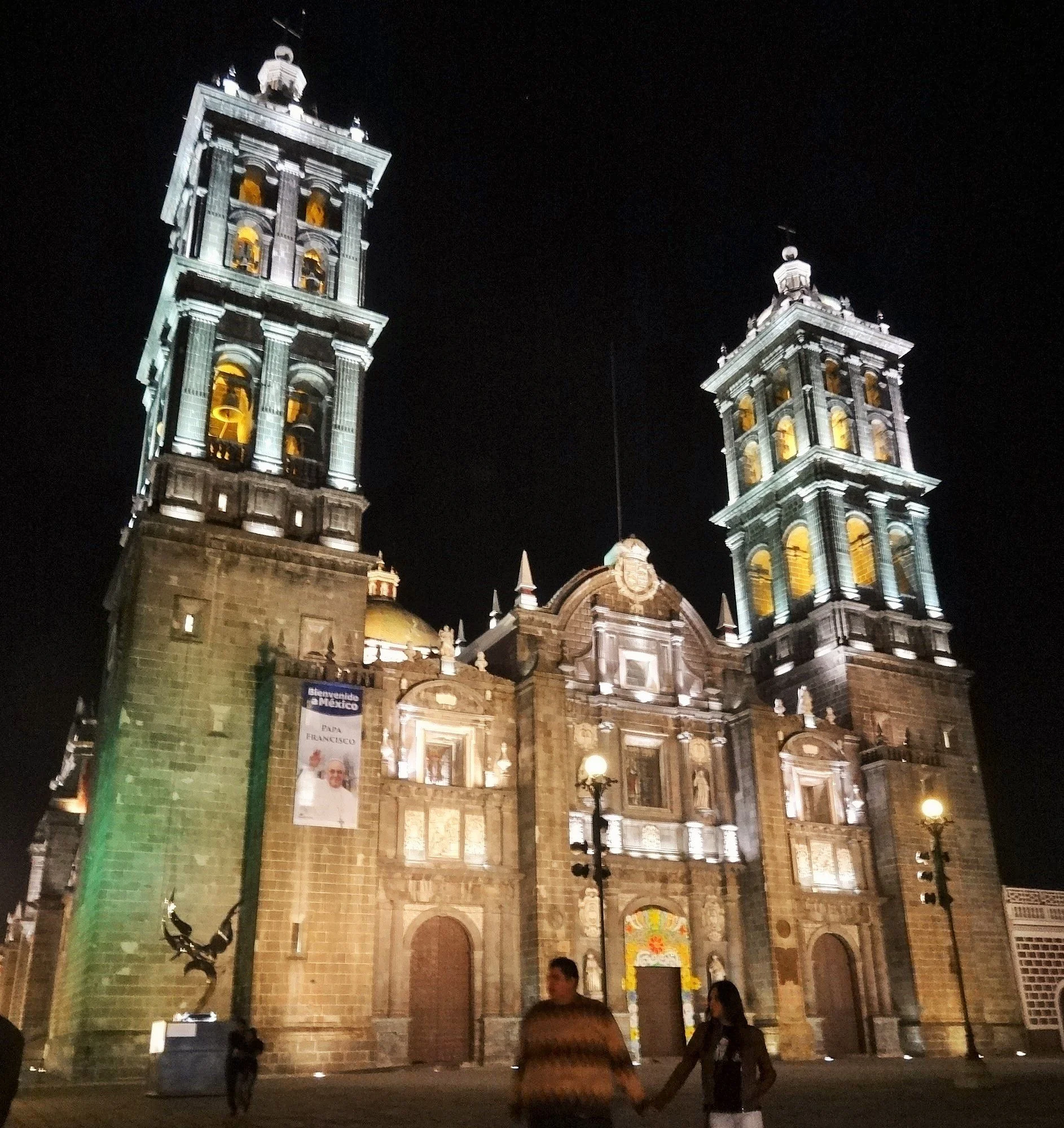
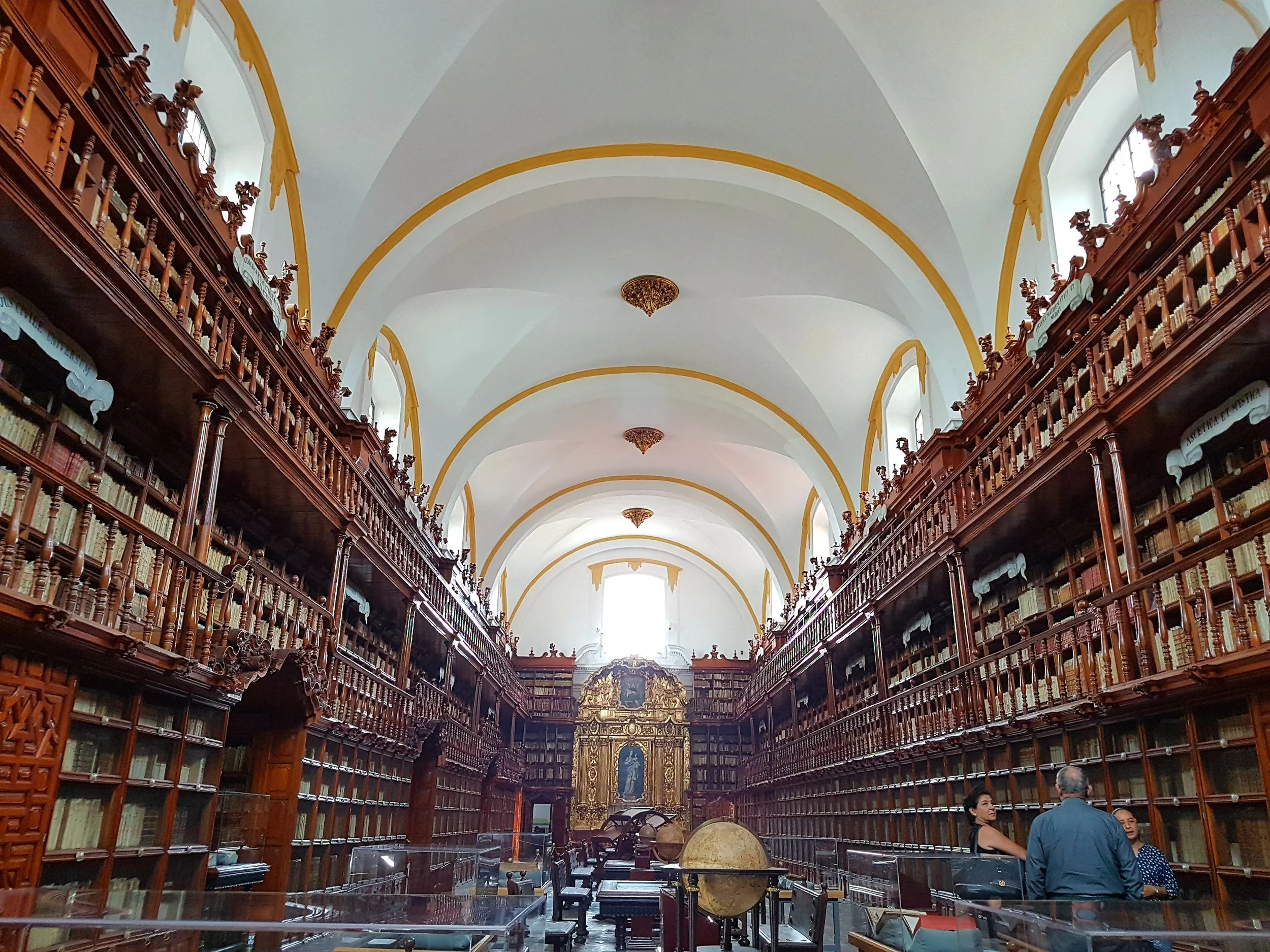
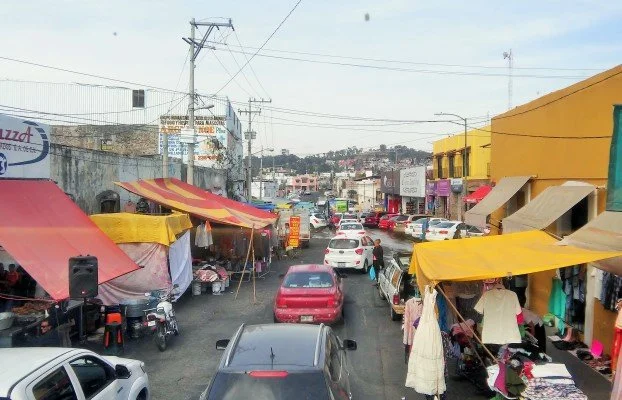
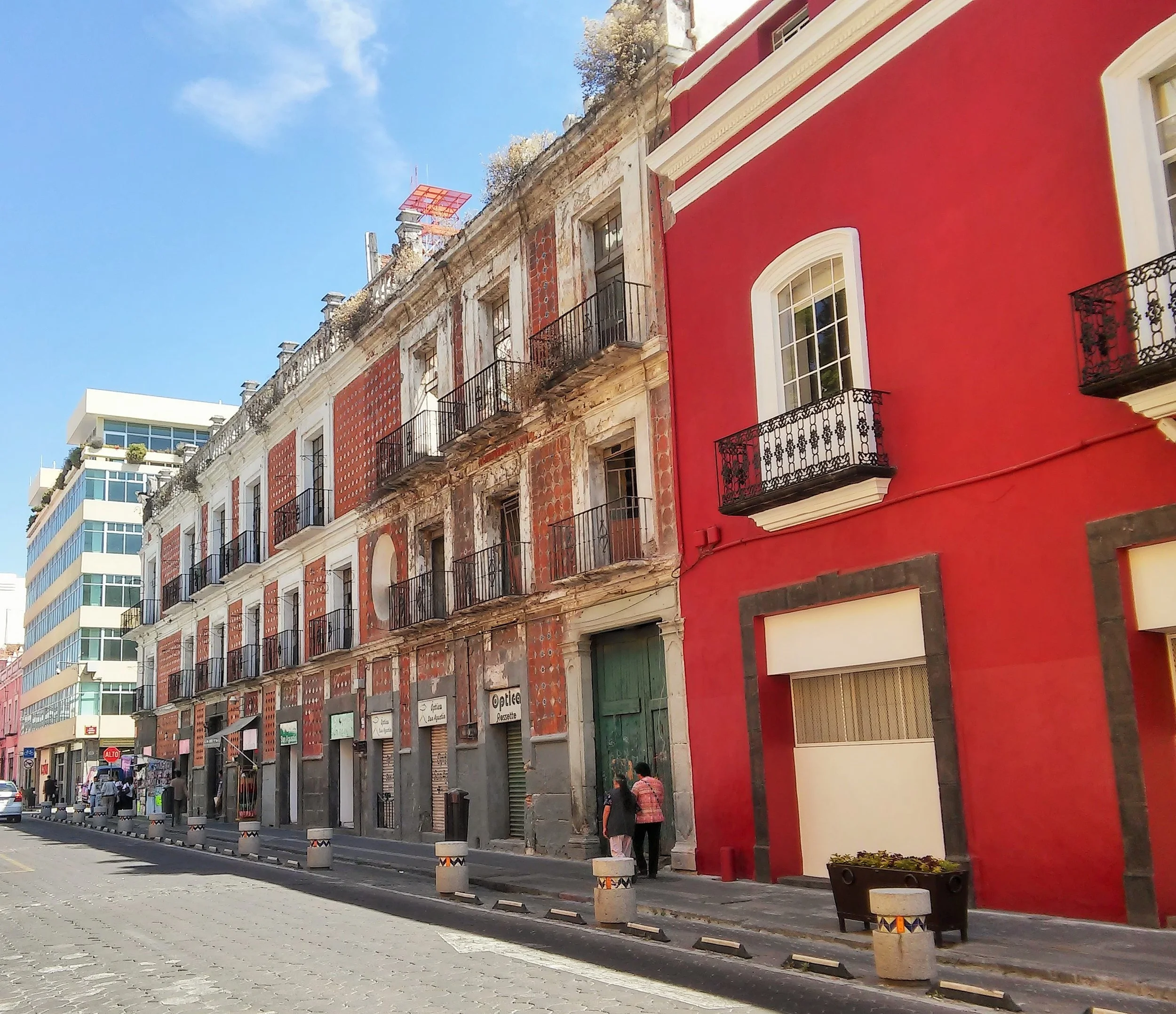
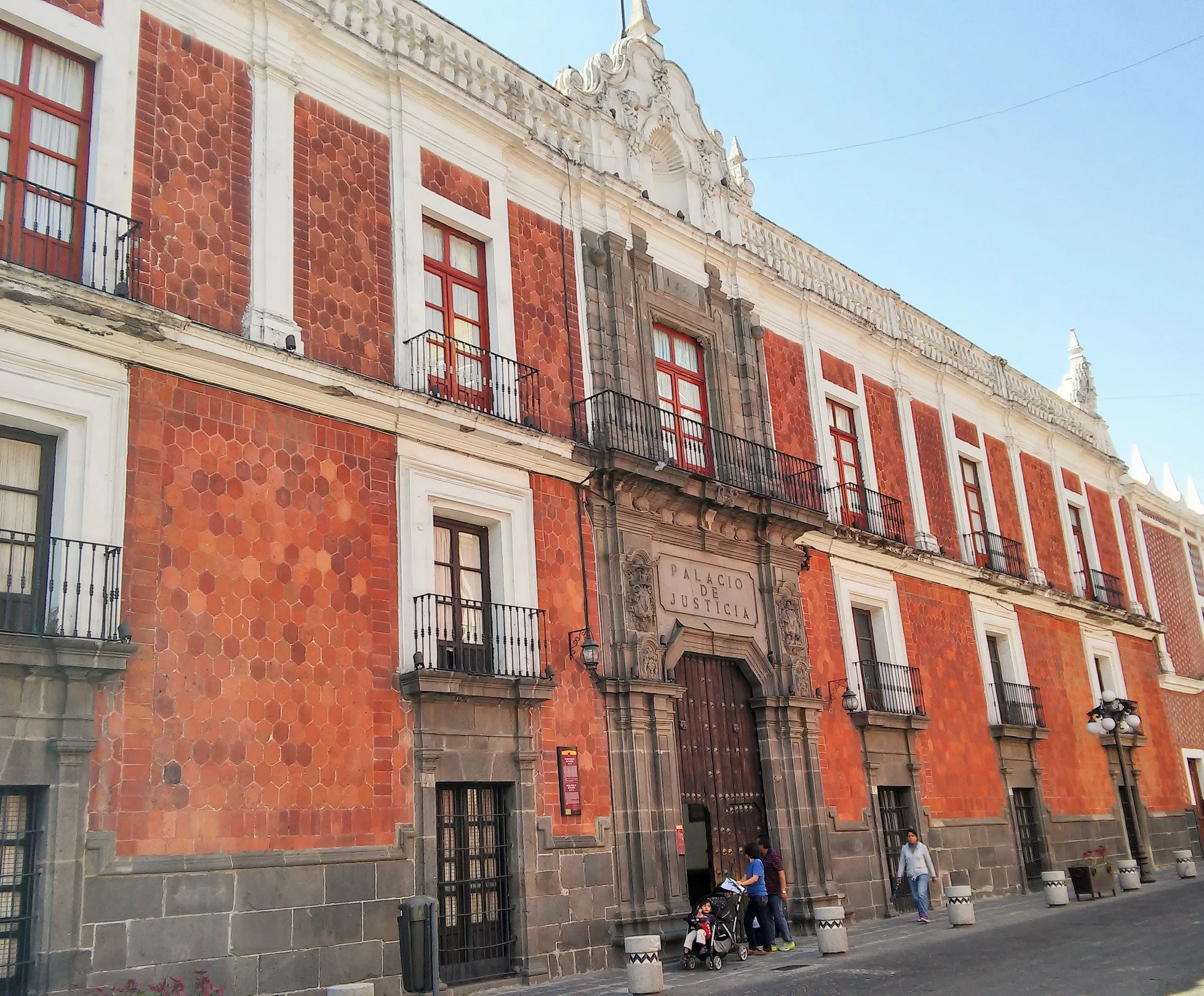
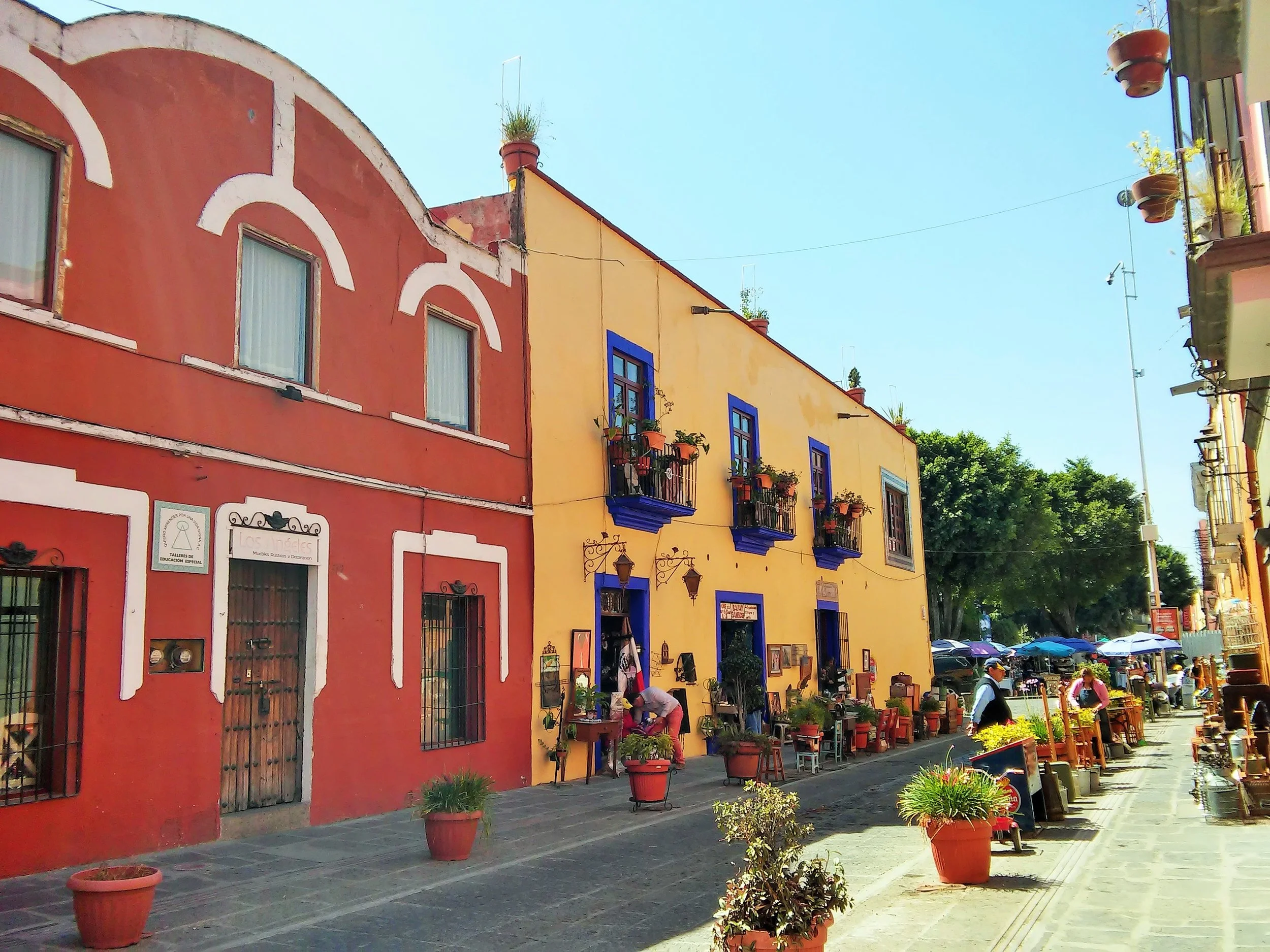
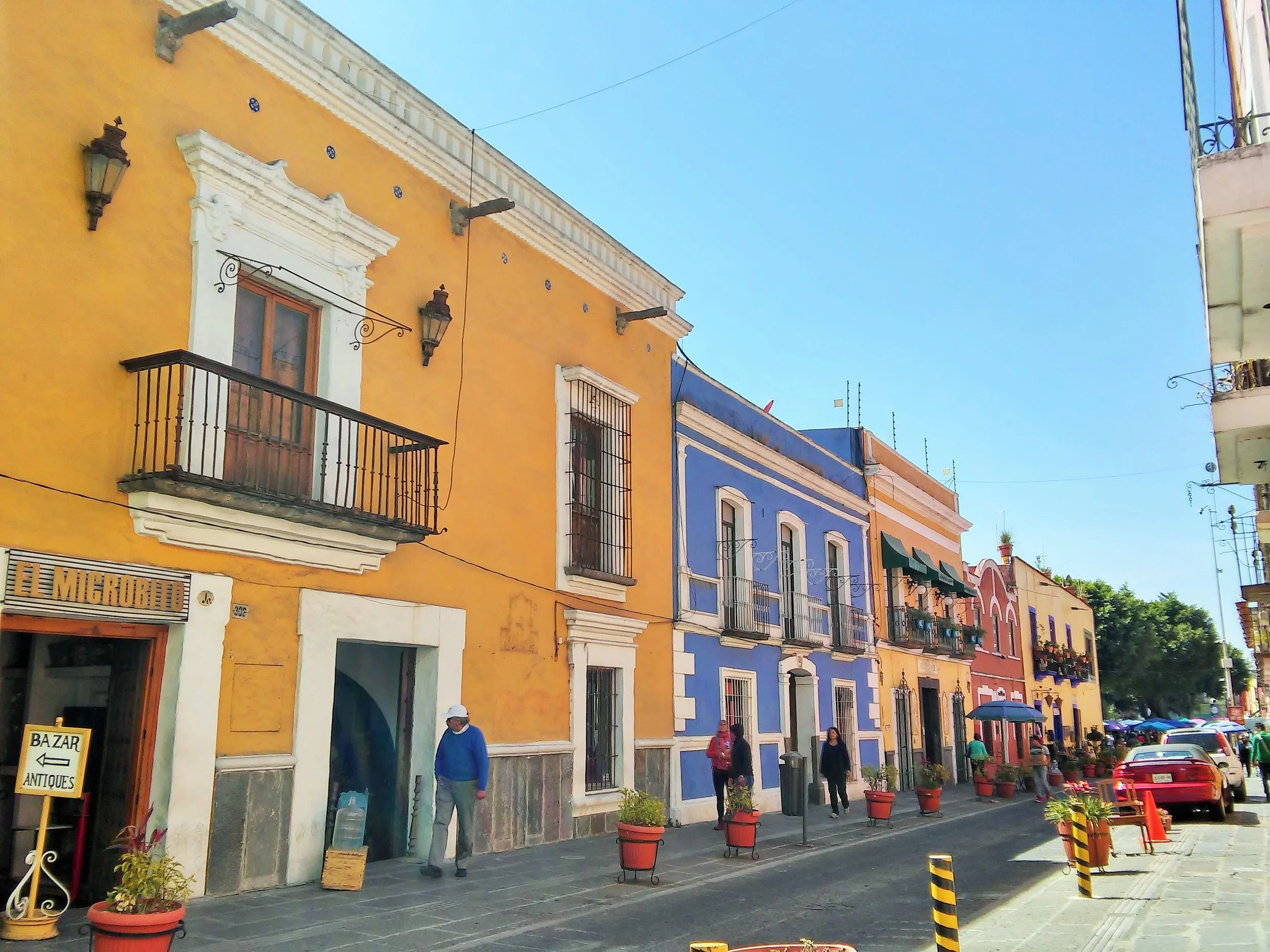
Puebla’s historical role as a planned colonial city is recognised by World Heritage Site status for its central downtown area. However, it has suffered years of rapid industrial expansion and informal, unplanned peripheral residential development, creating major issues around pollution (especially of its extensive river basin), environmental degradation, urban sprawl and social inequality.
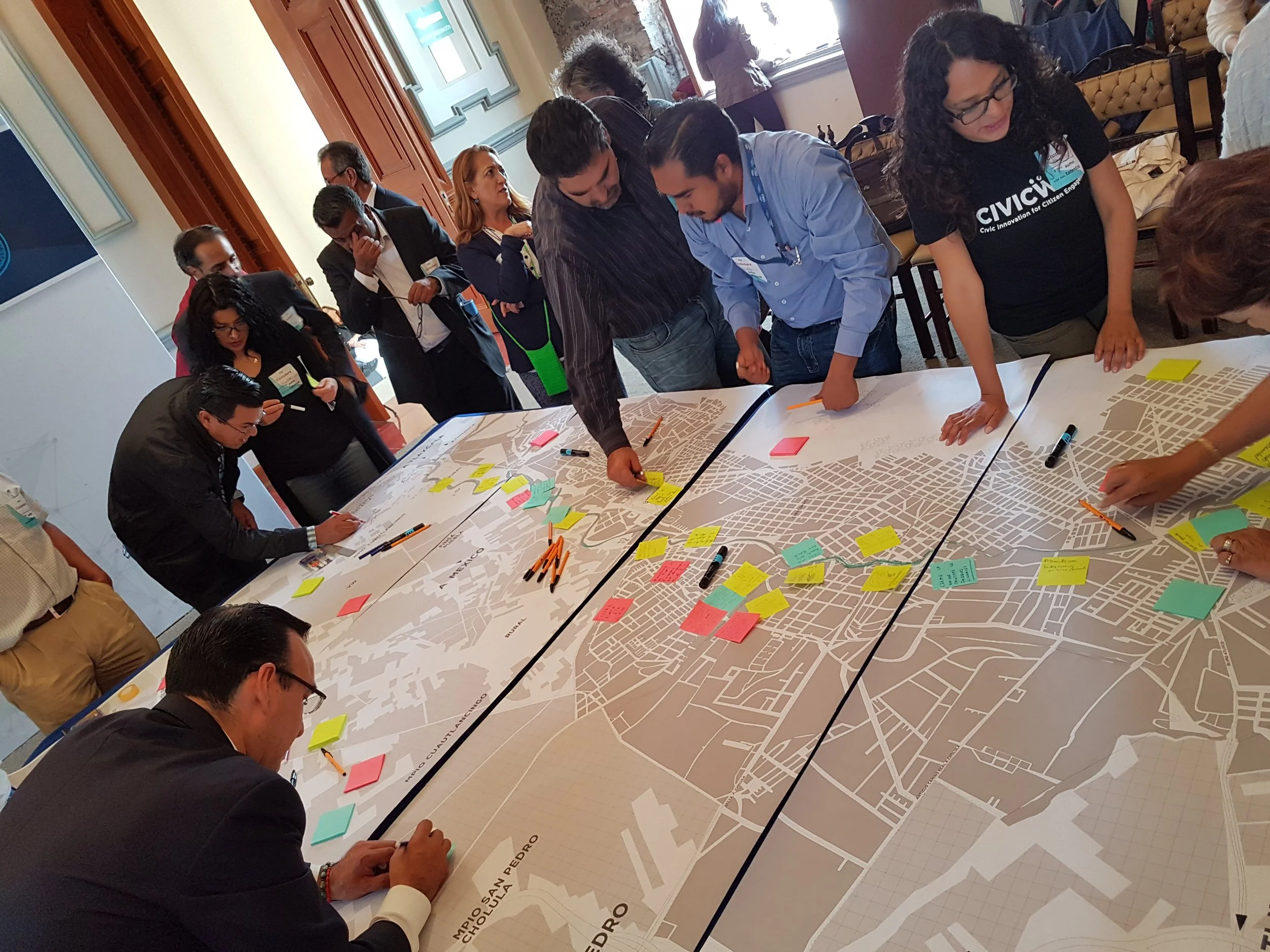
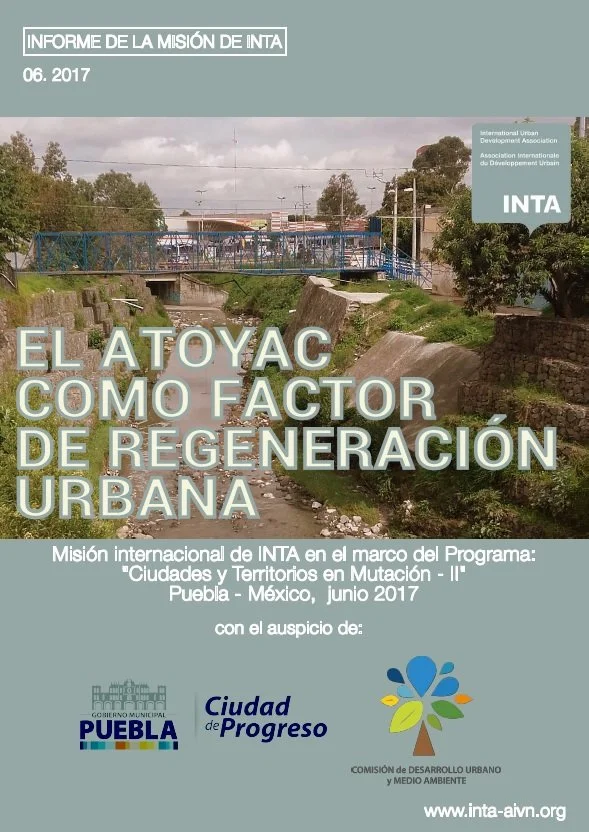
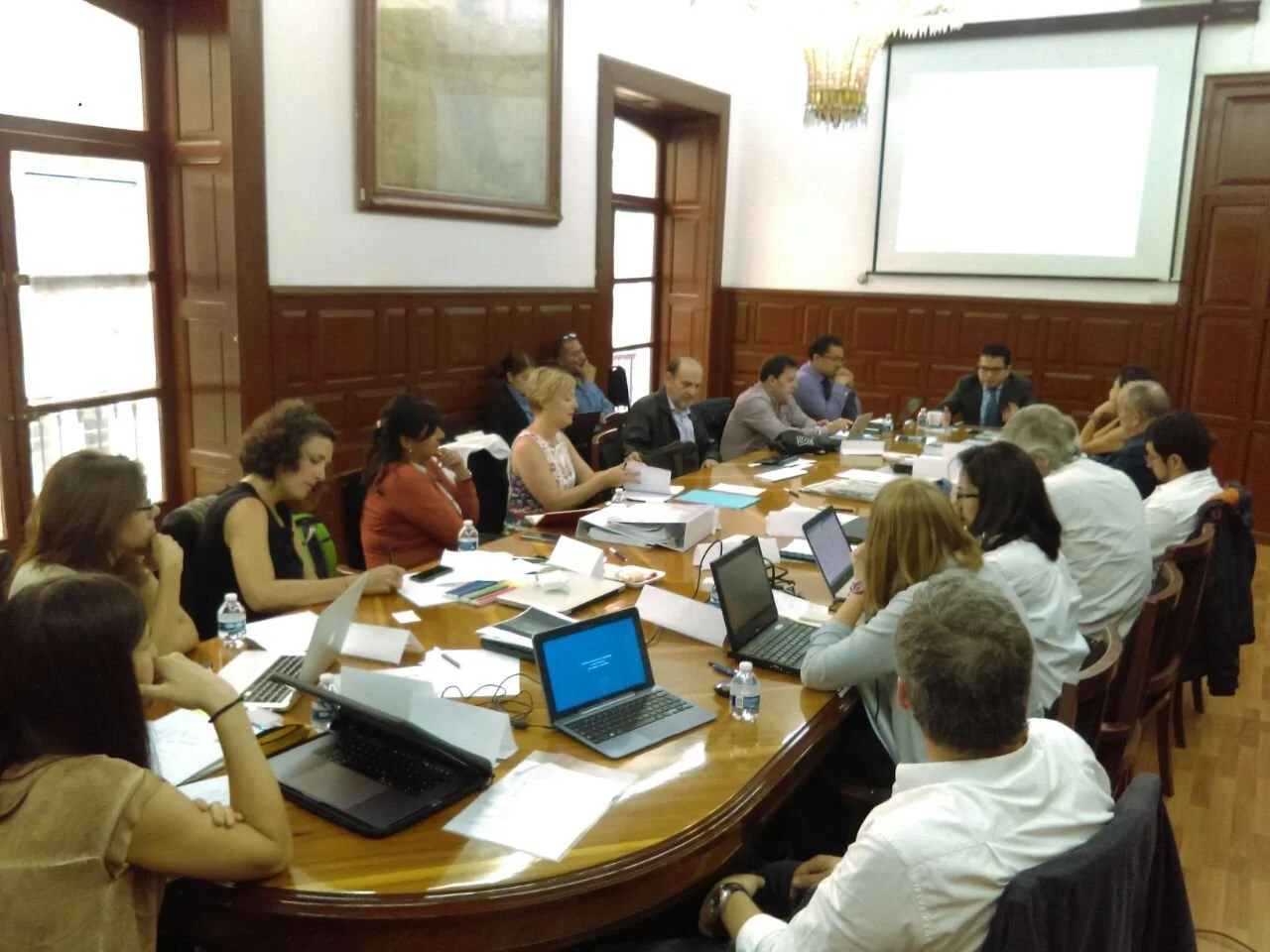
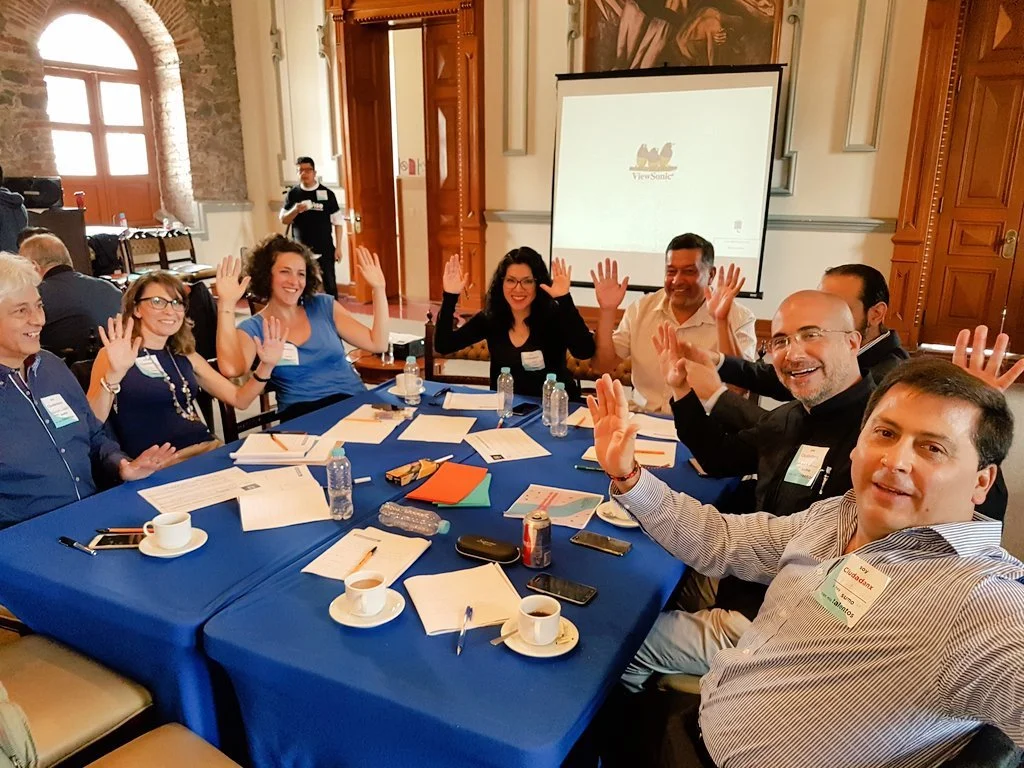
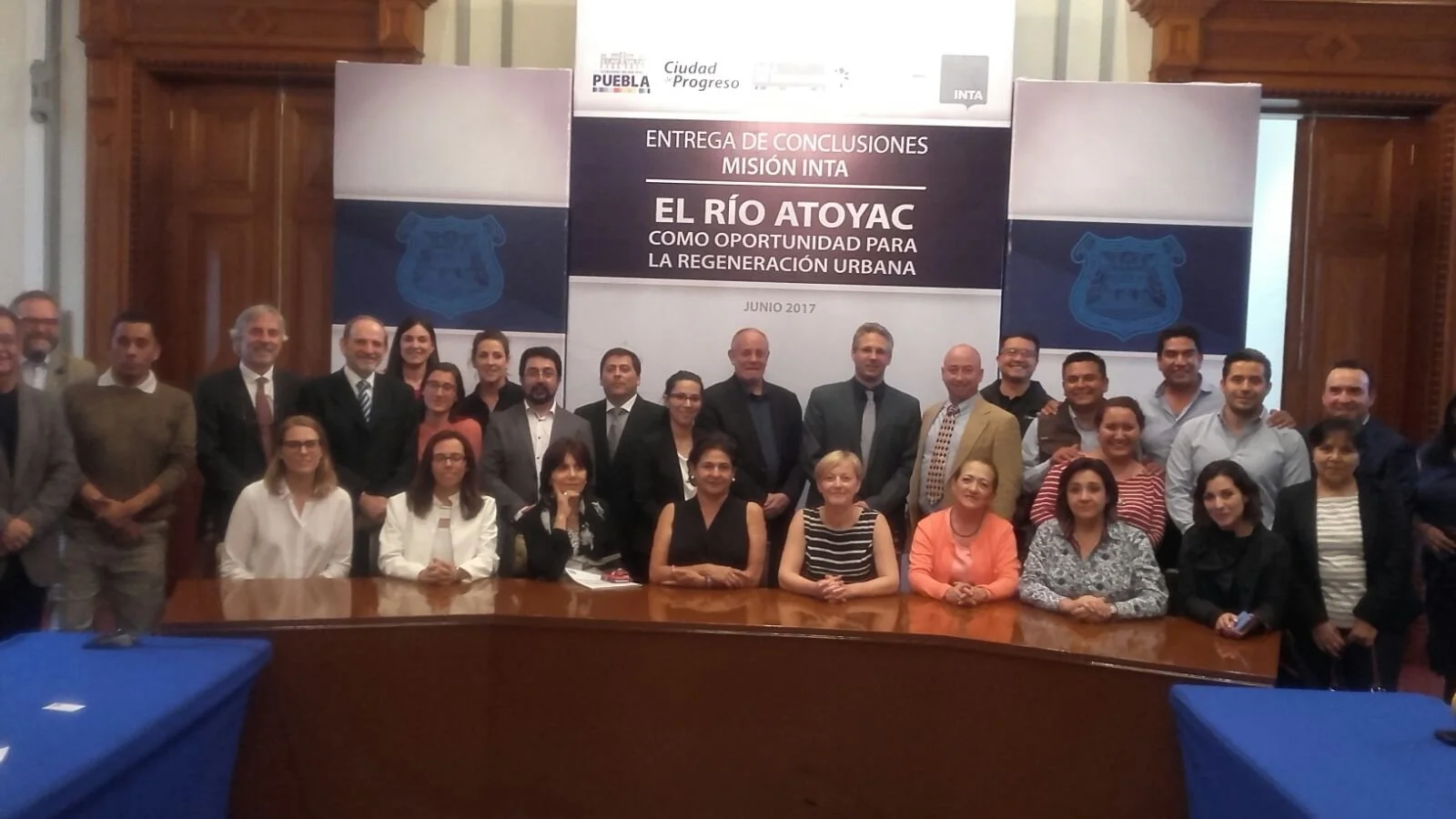
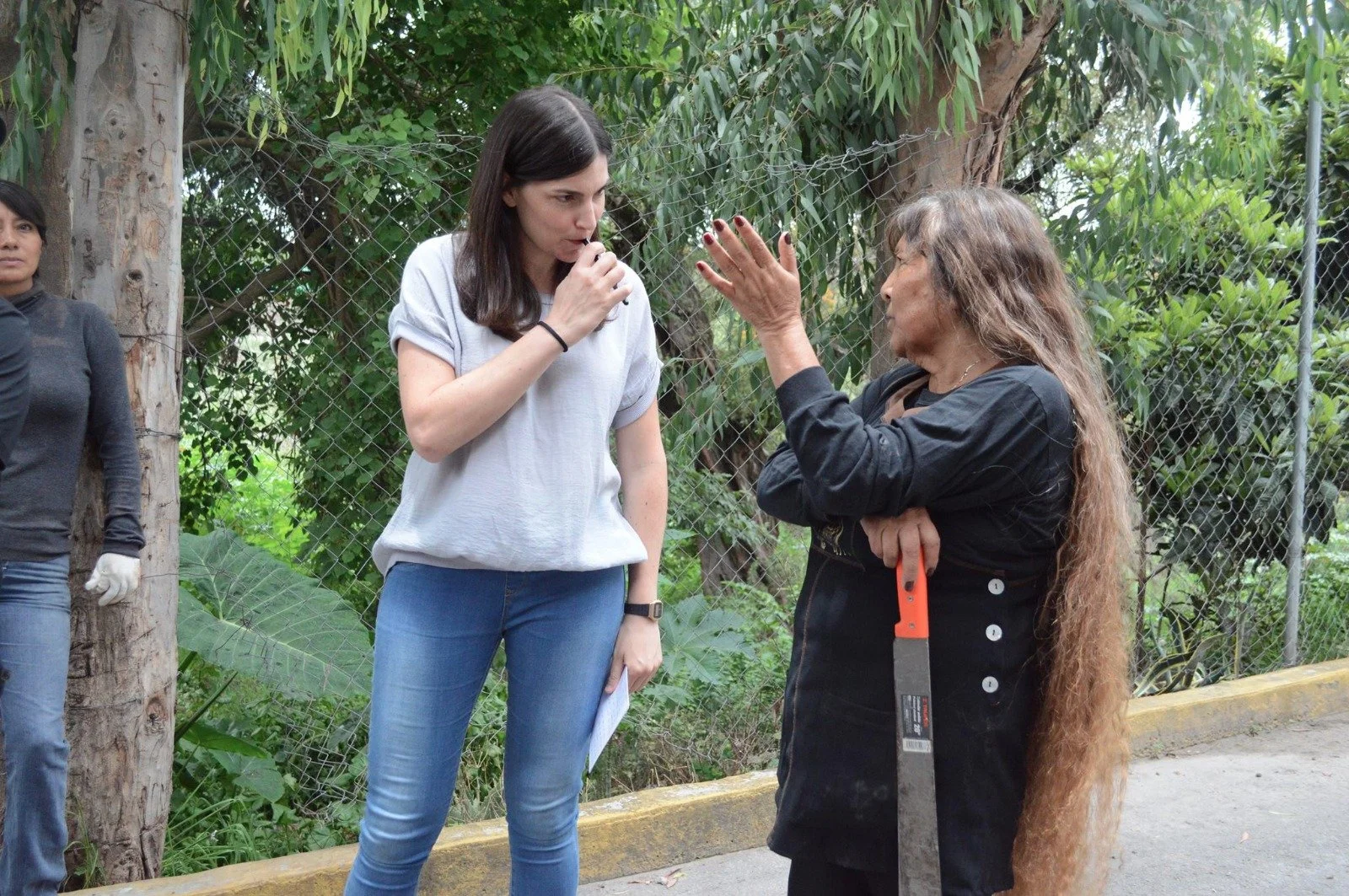
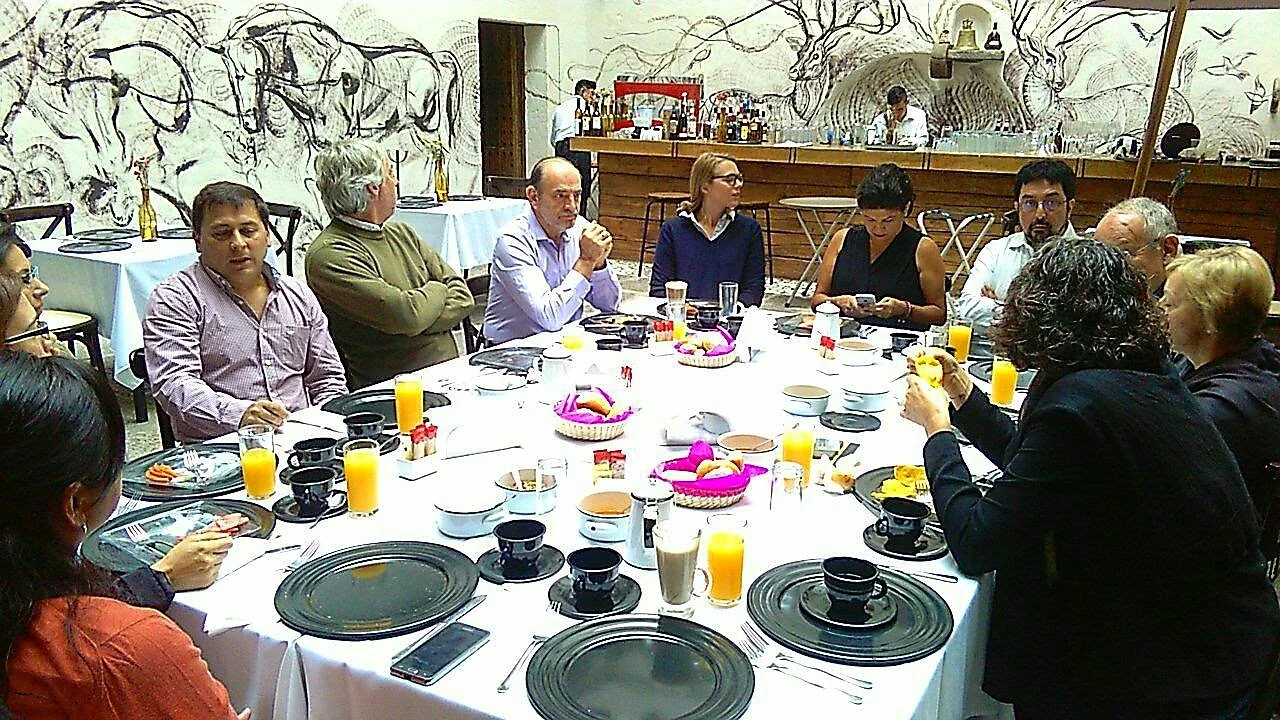
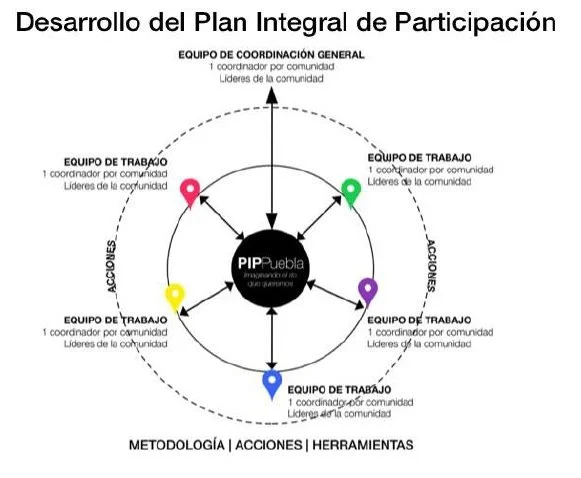
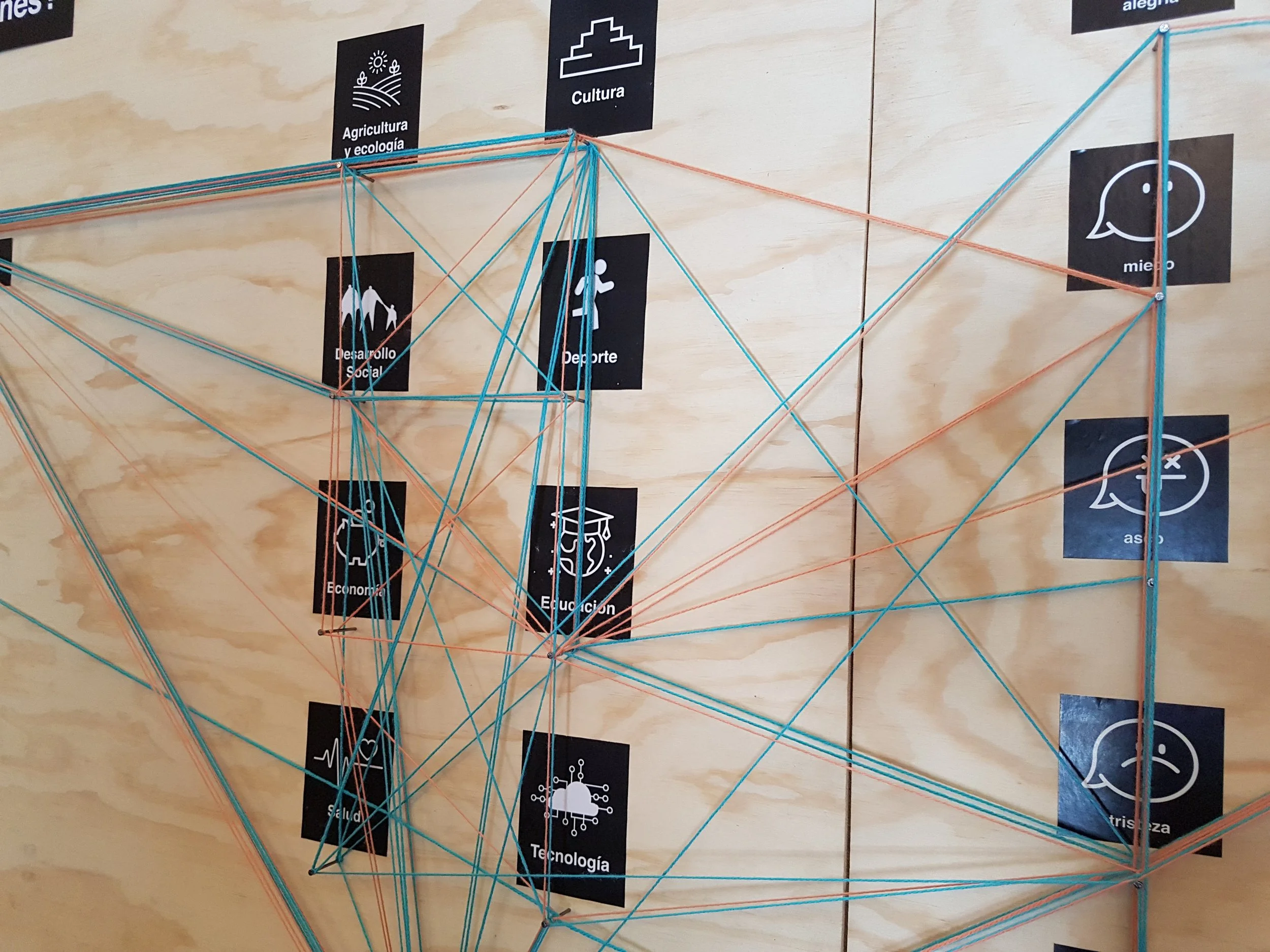
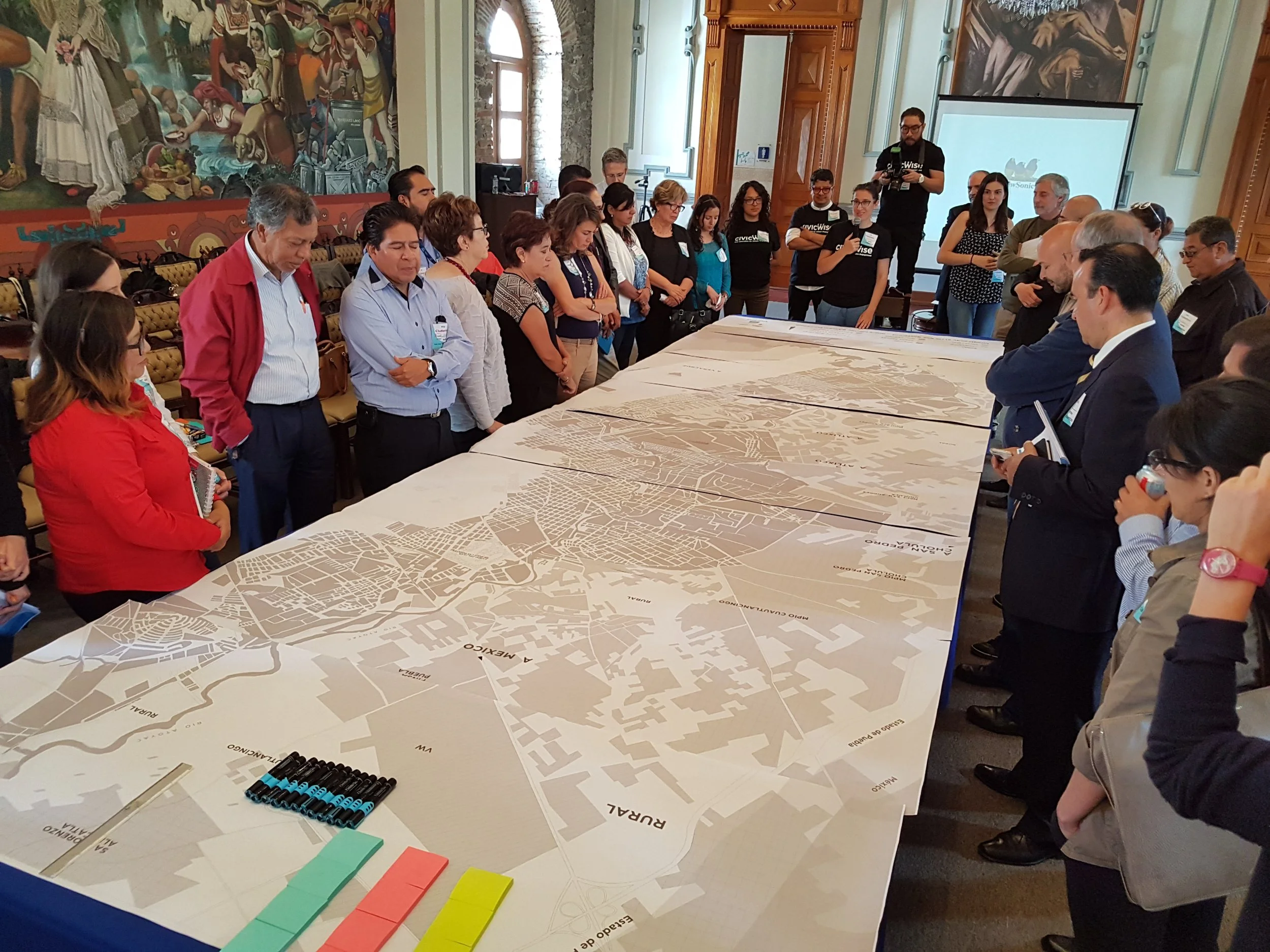
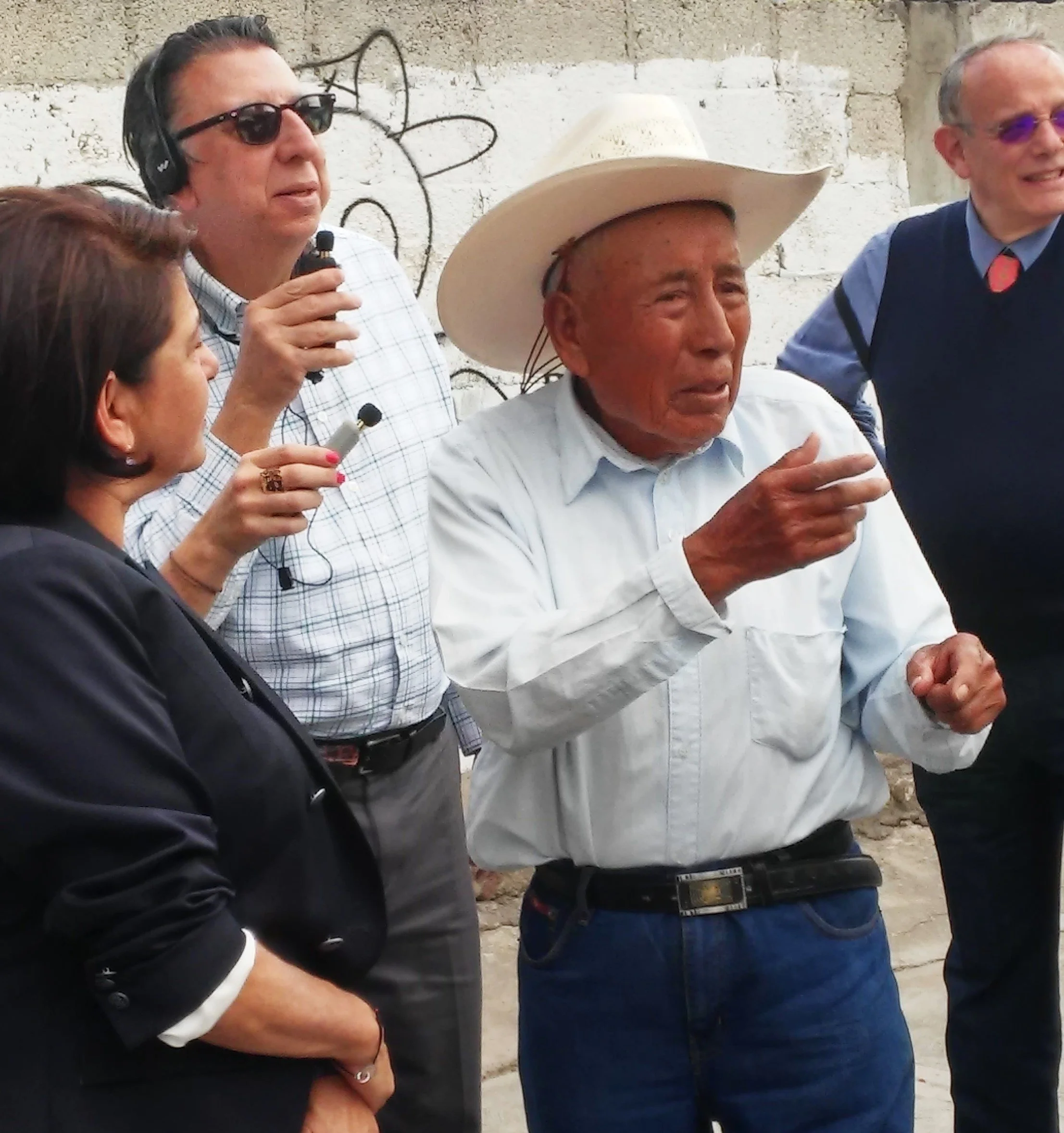
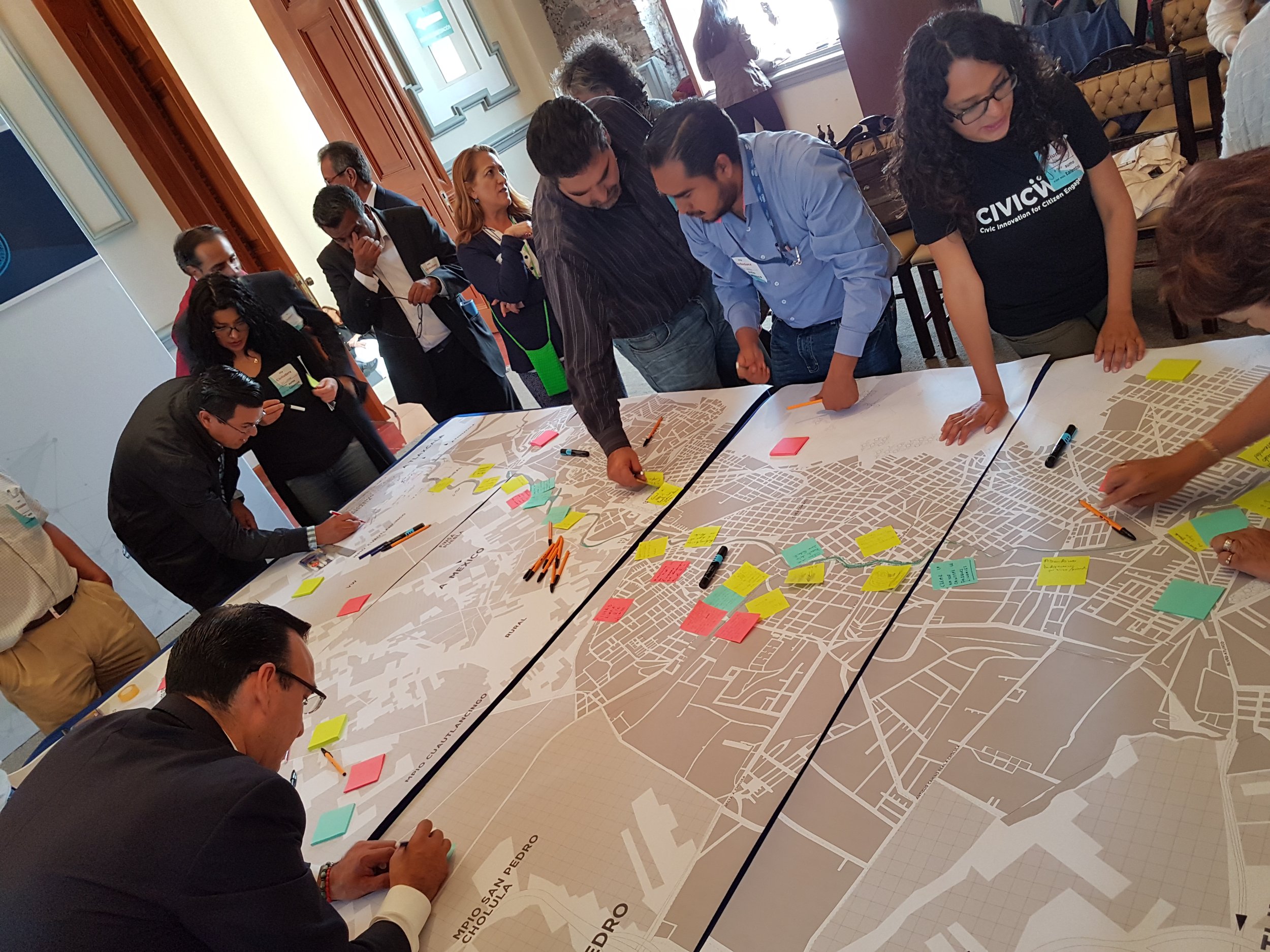
In 2016 the City of Puebla commissioned an international panel of experts, coordinated by the International Urban Development Association (INTA), to explore opportunities arising from the city’s new Strategic Spatial Development Plan. A initial mission of 14 experts from South America, North America and Europe, including Kerri Farnsworth, undertook an intensive evaluation of the city, including data analysis, interviews, site visits, workshops and community engagement & consultation, all conducted in Spanish. An extensive written evaluation report was published after each mission, including recommendations for short-, medium- and long-term implementation.
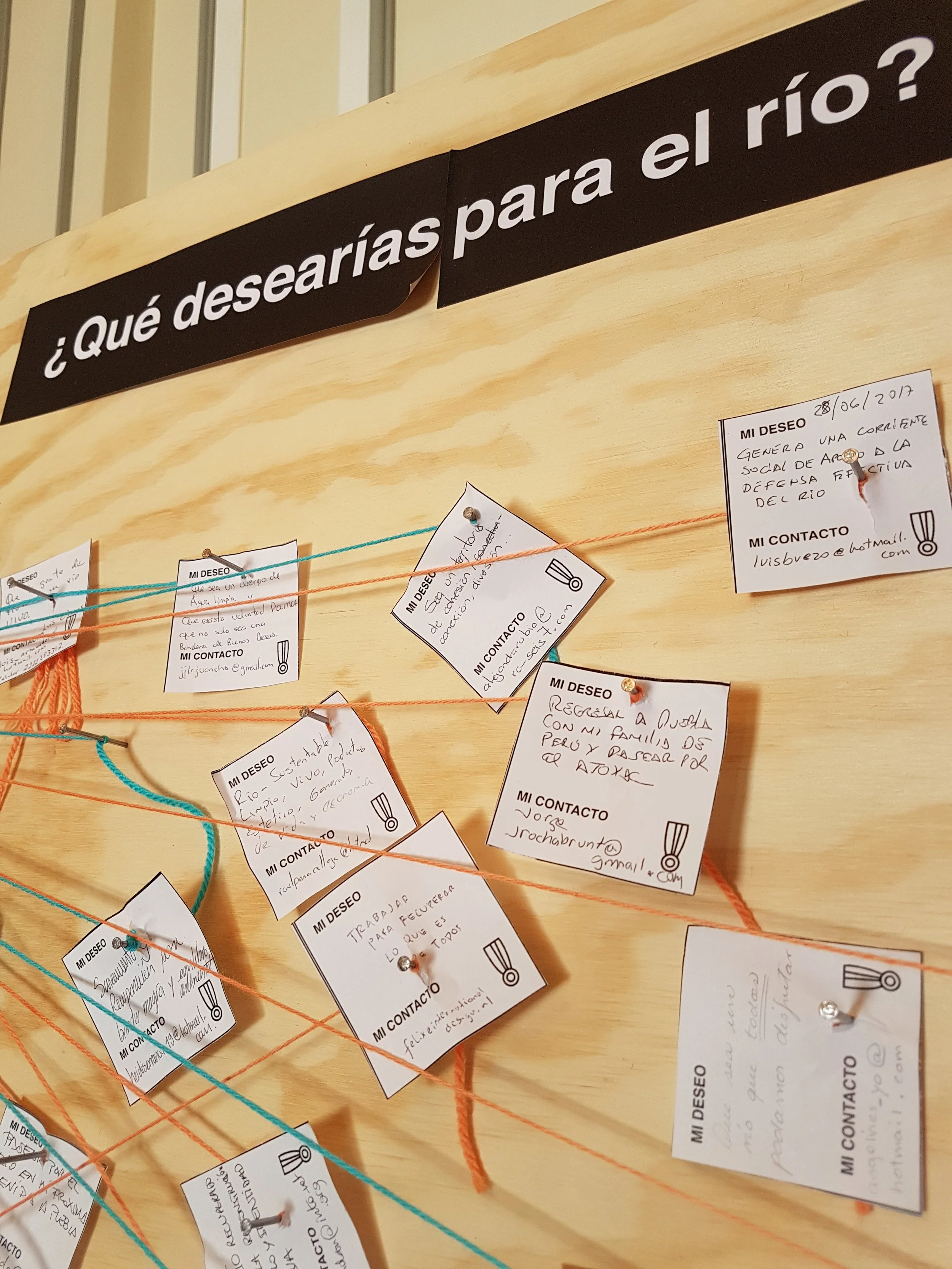
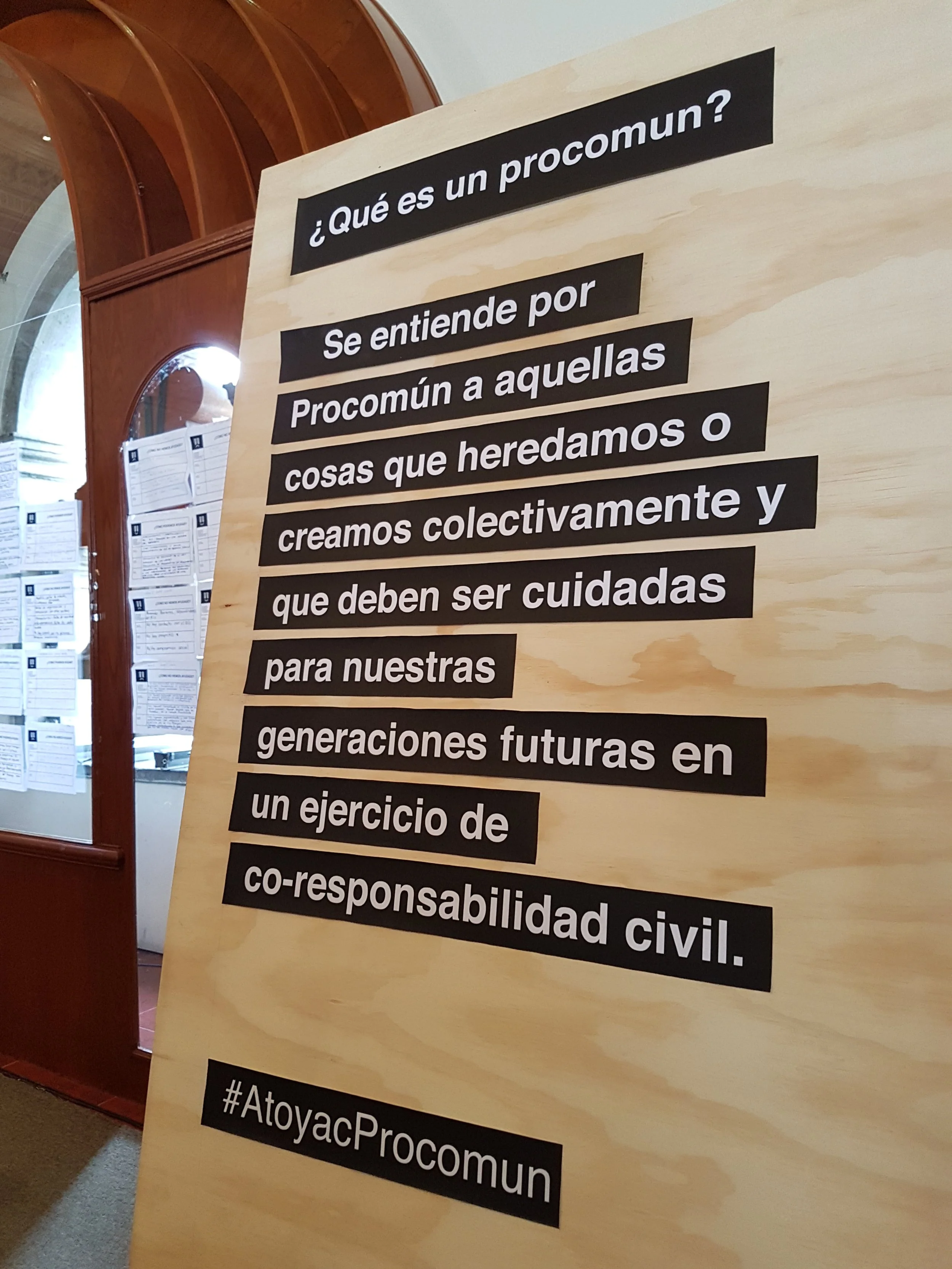
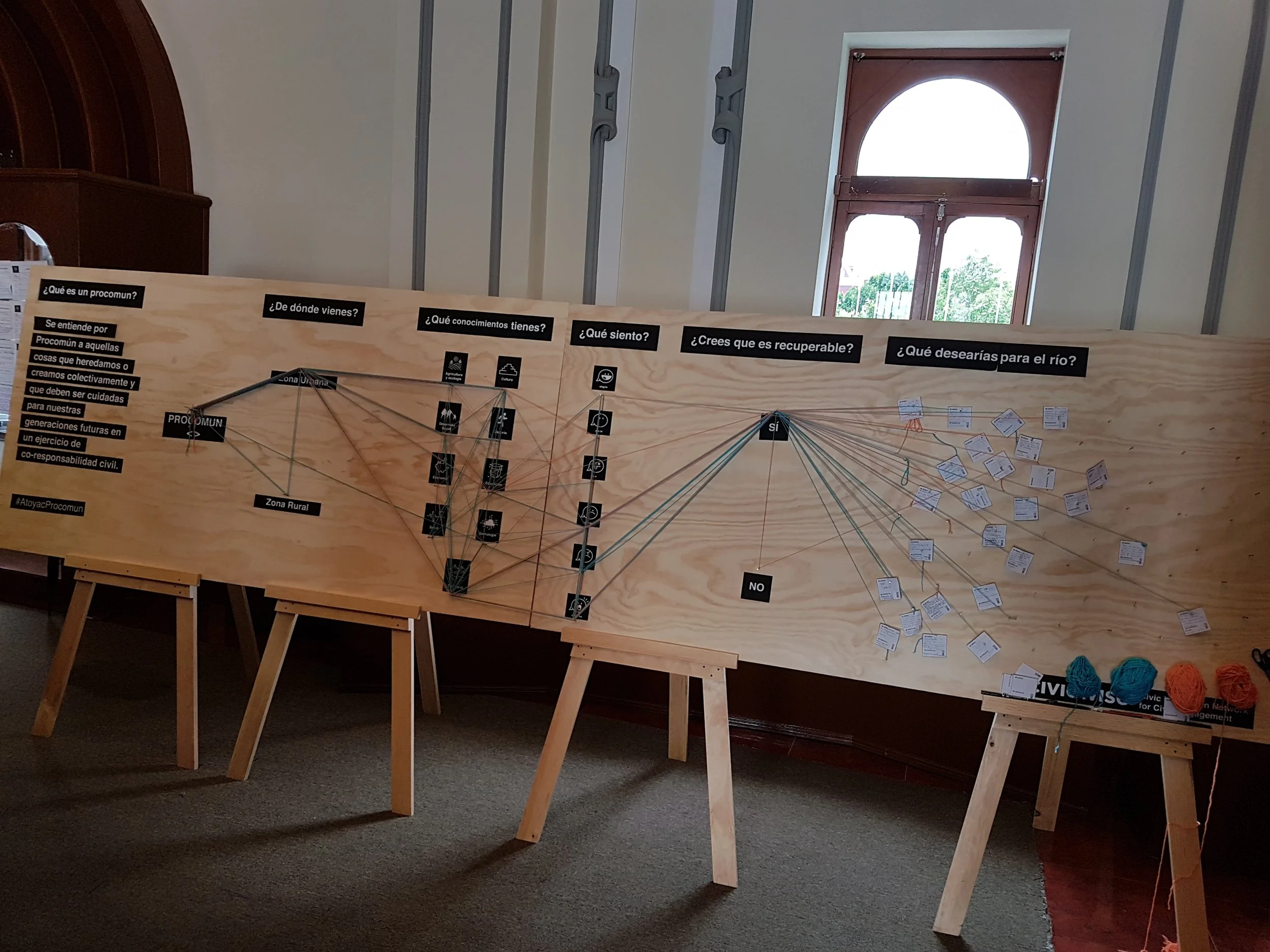
Subsequent missions 2016-2019 were jointly organised with the national Comisión de Desarrollo Urbano e Medio Ambiente and Regional Government, and focused on specific challenges: for example the heavily-polluted main Atoyac River catchment & basin system and its impact upon urban sustainability & quality of life, especially in poorer neighbourhoods and informal (non-regularised) communities.
Gallery