Liverpool, UK
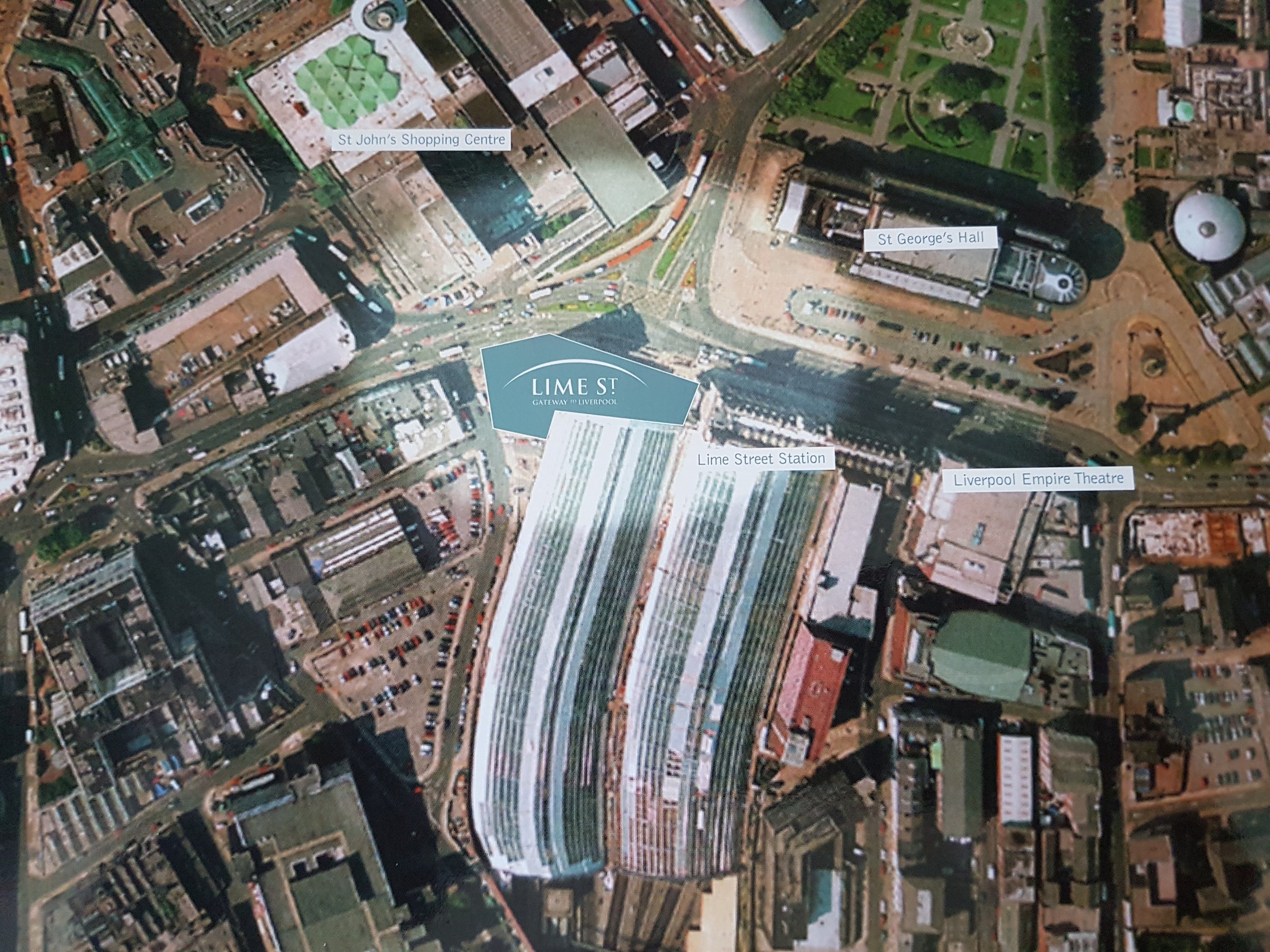
Lime Street Gateway
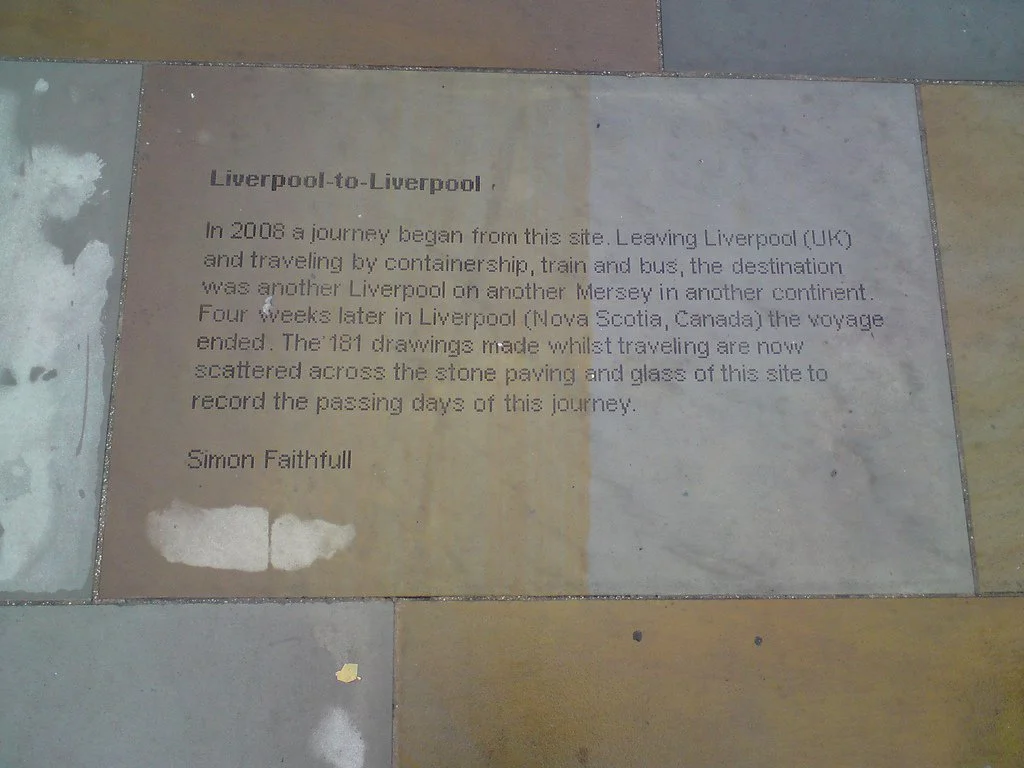
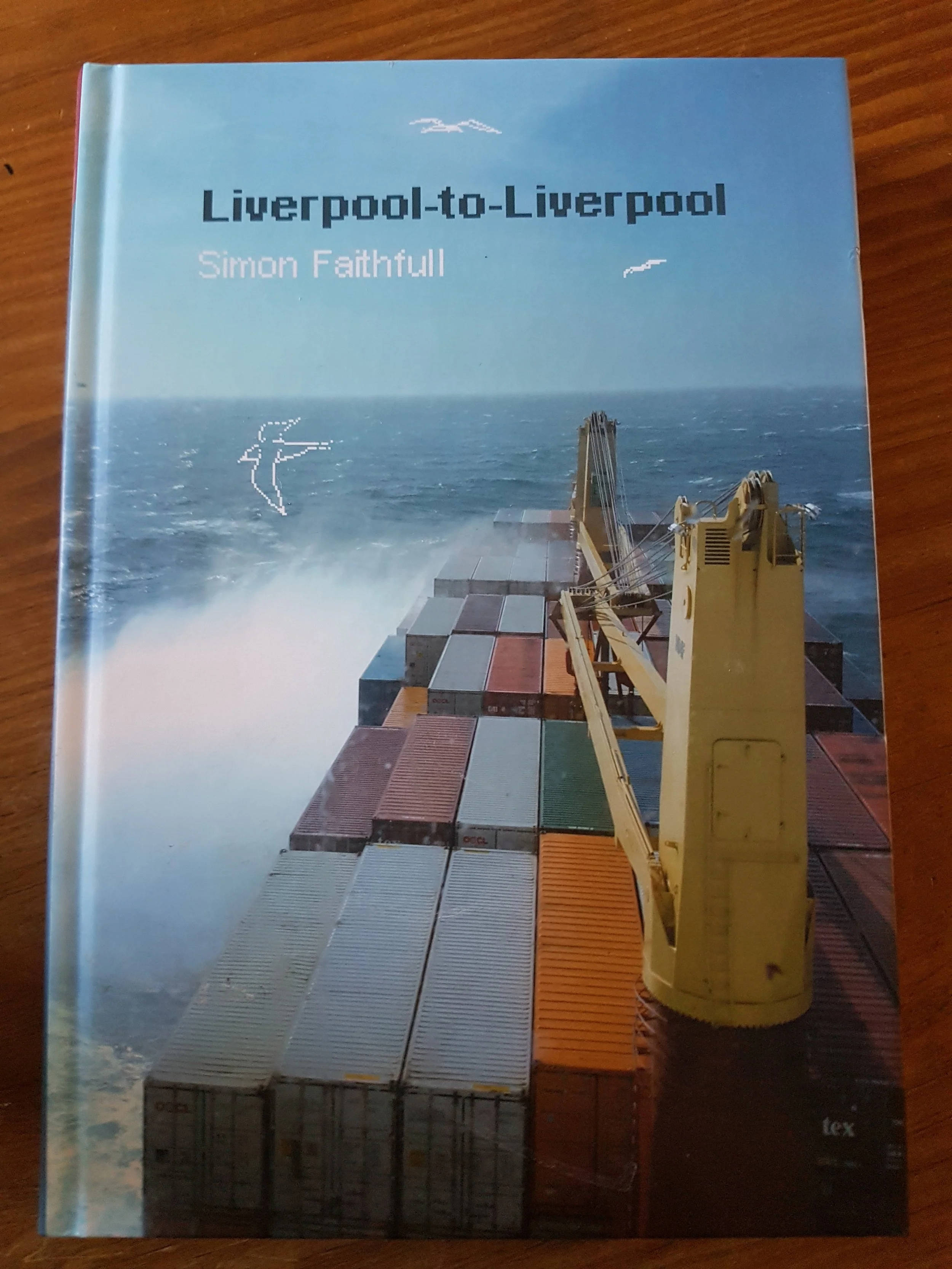
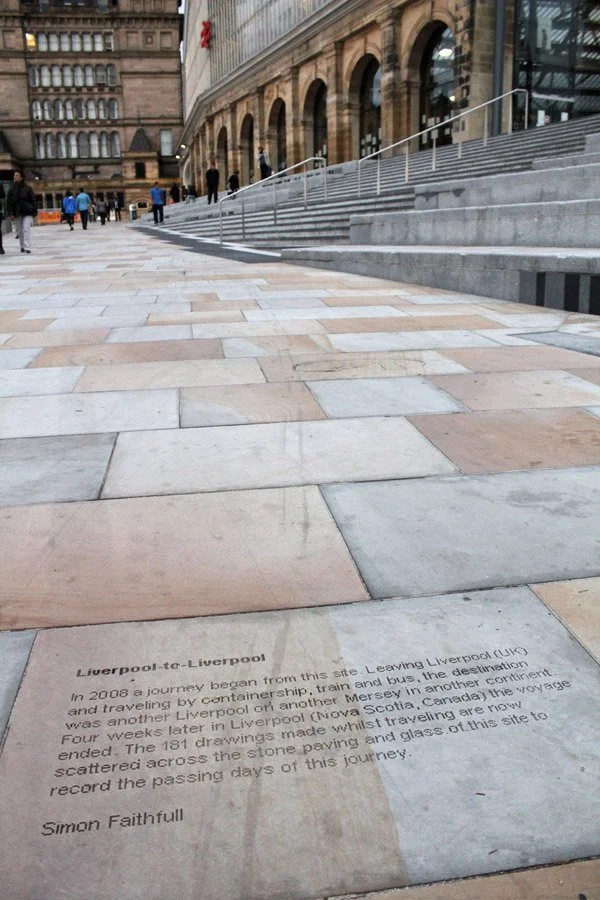
with Glen Howell Architects, Urban Initiatives, Civic Engineers, Chapman/Bdsp), Speirs Major and Simon Faithfull
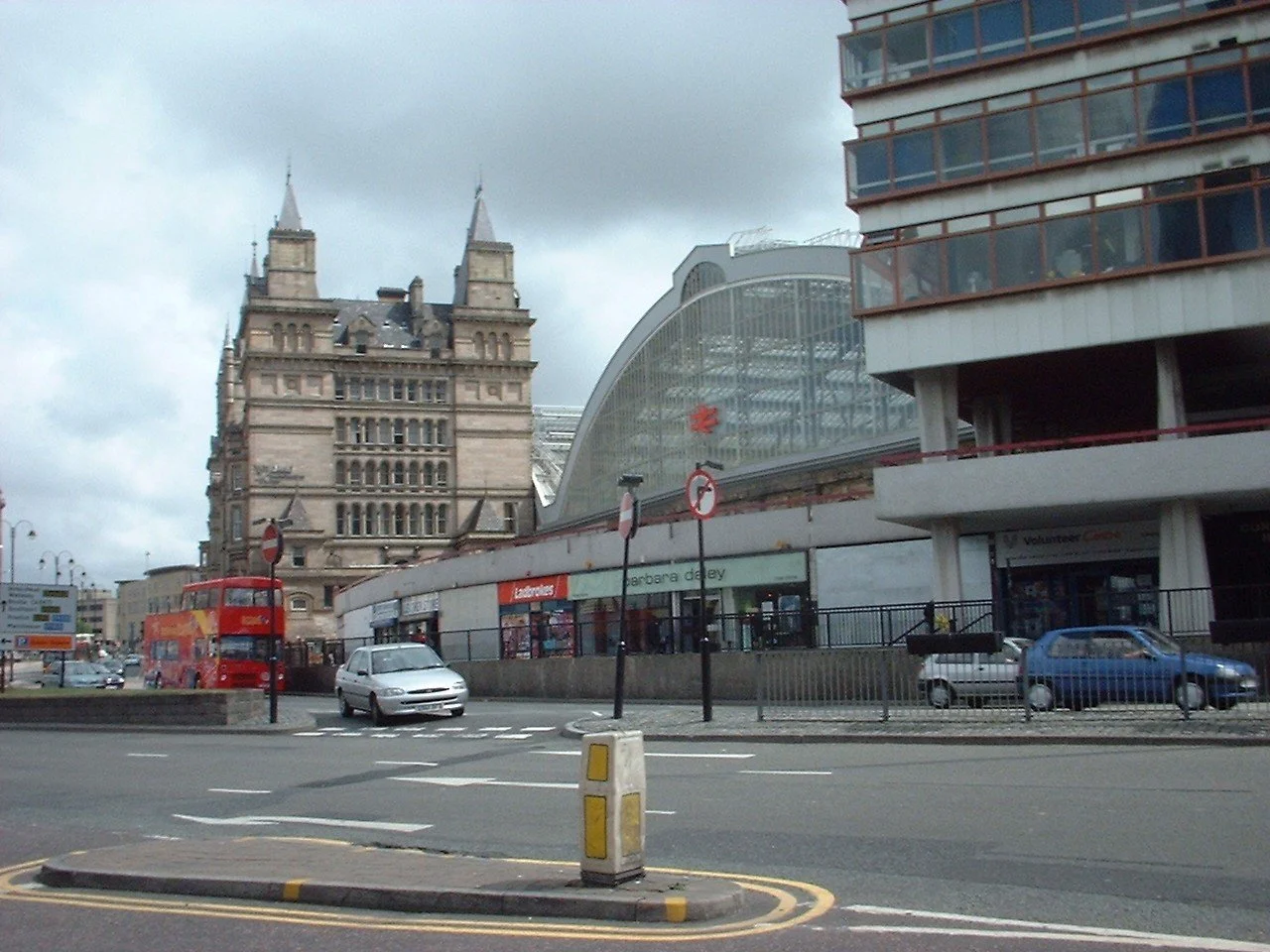
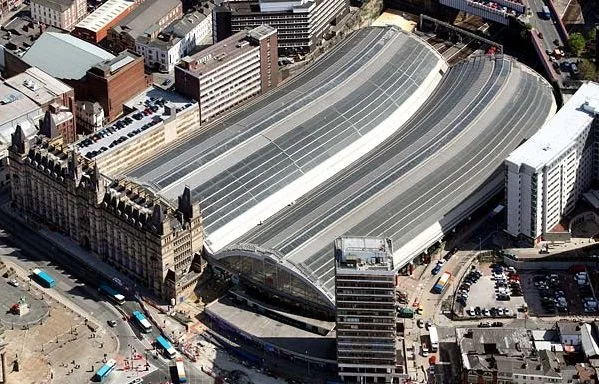
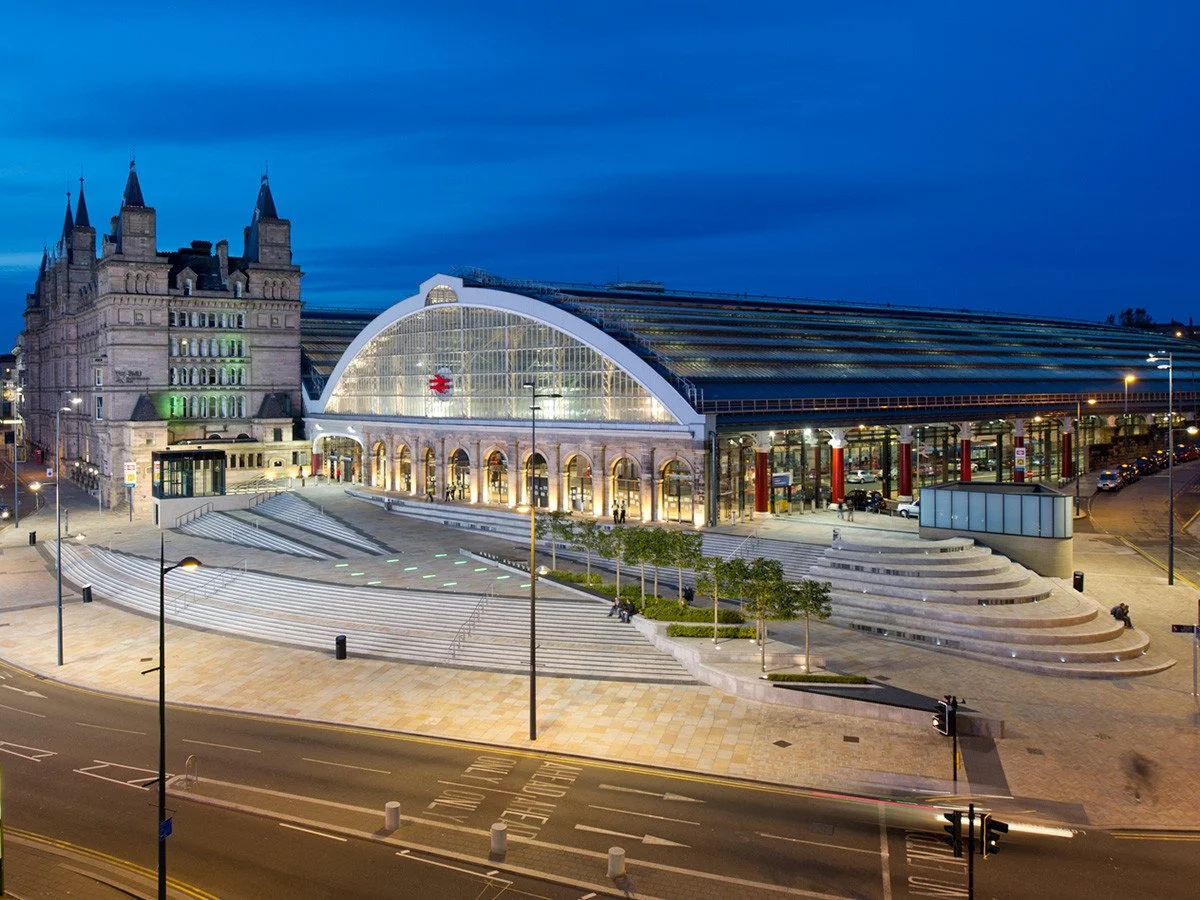
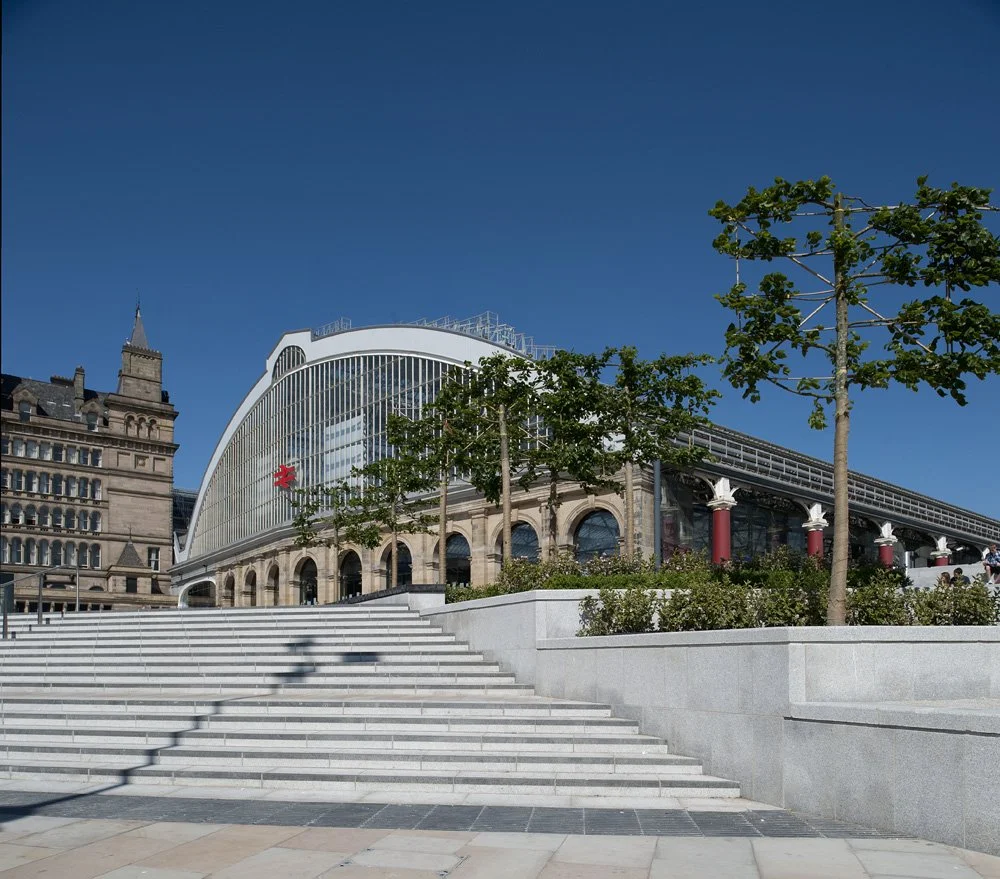
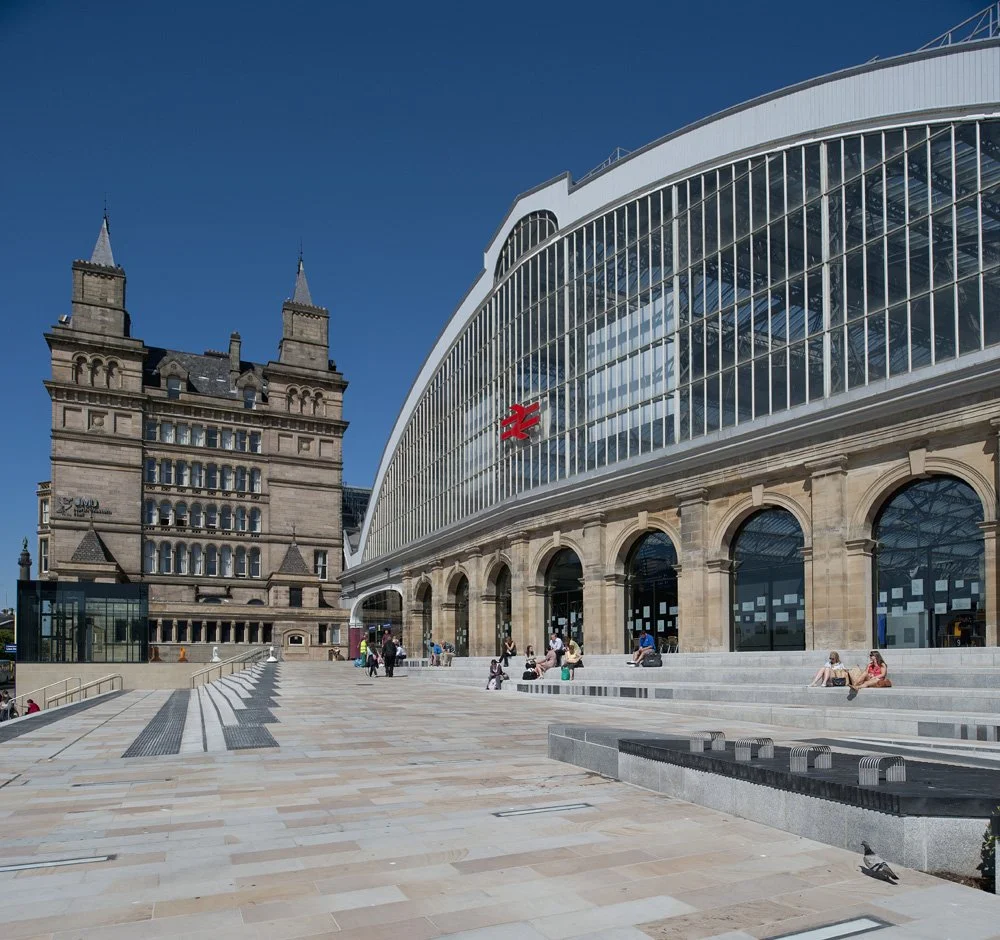
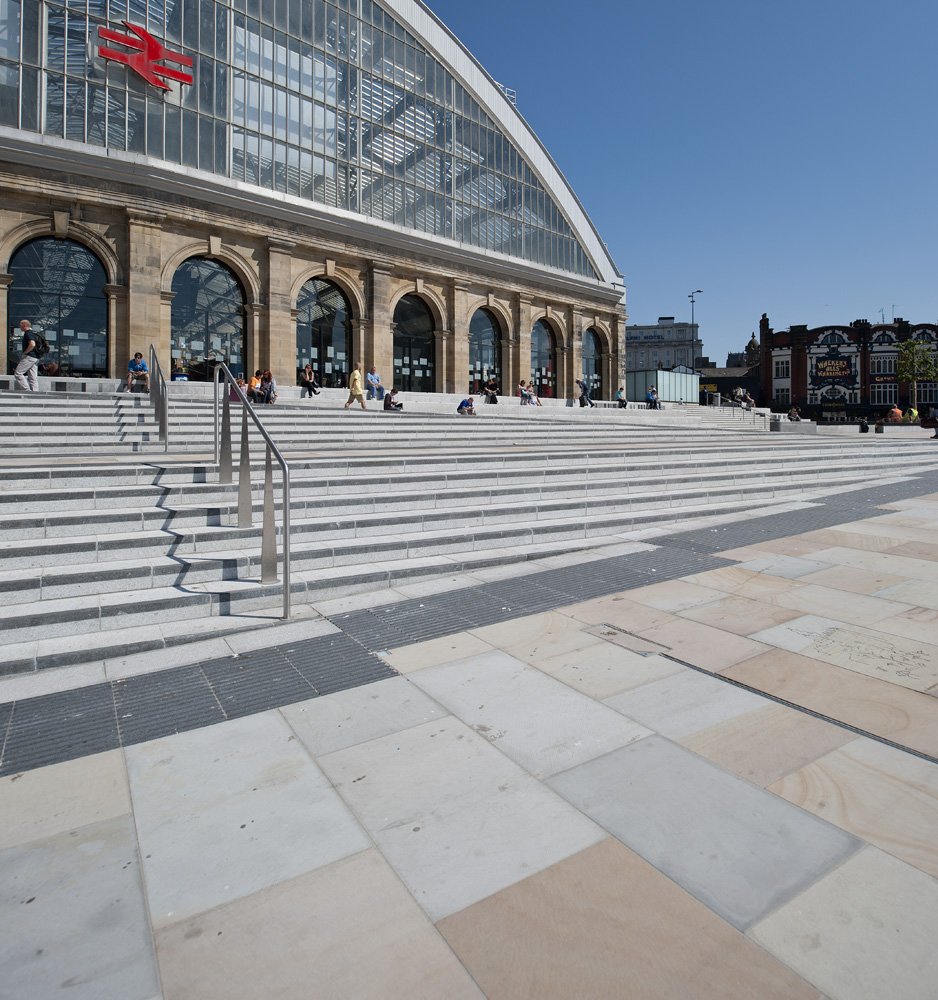
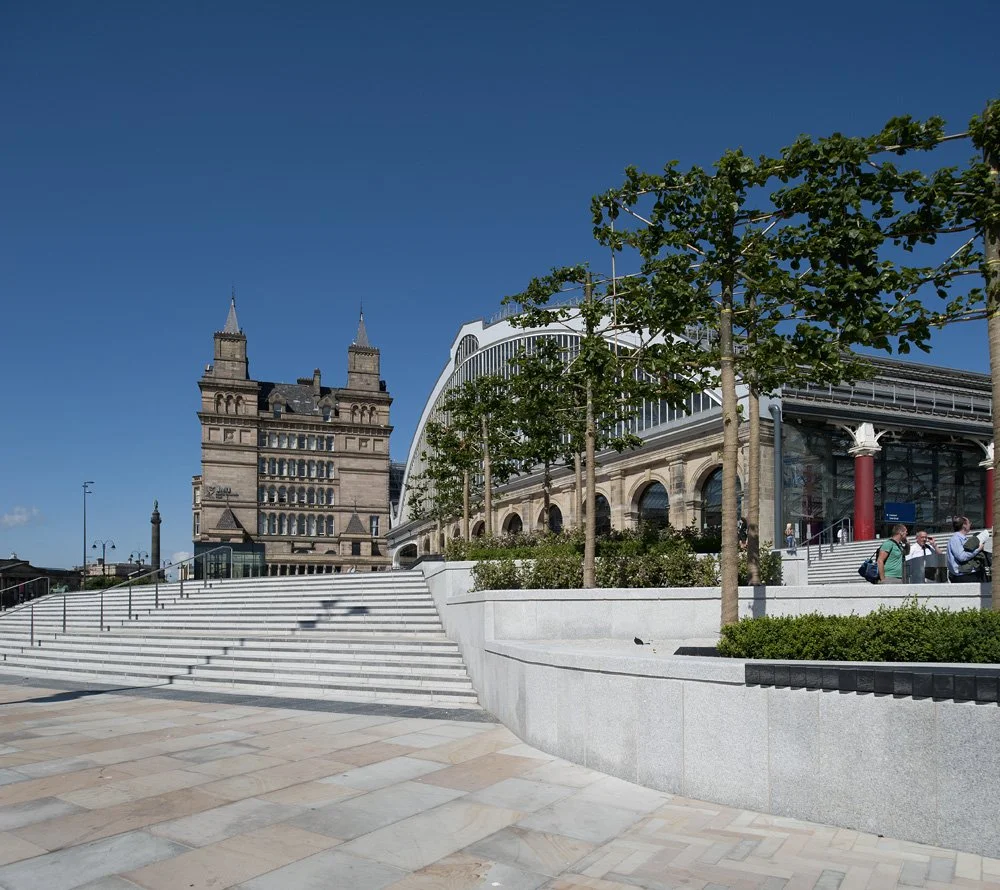
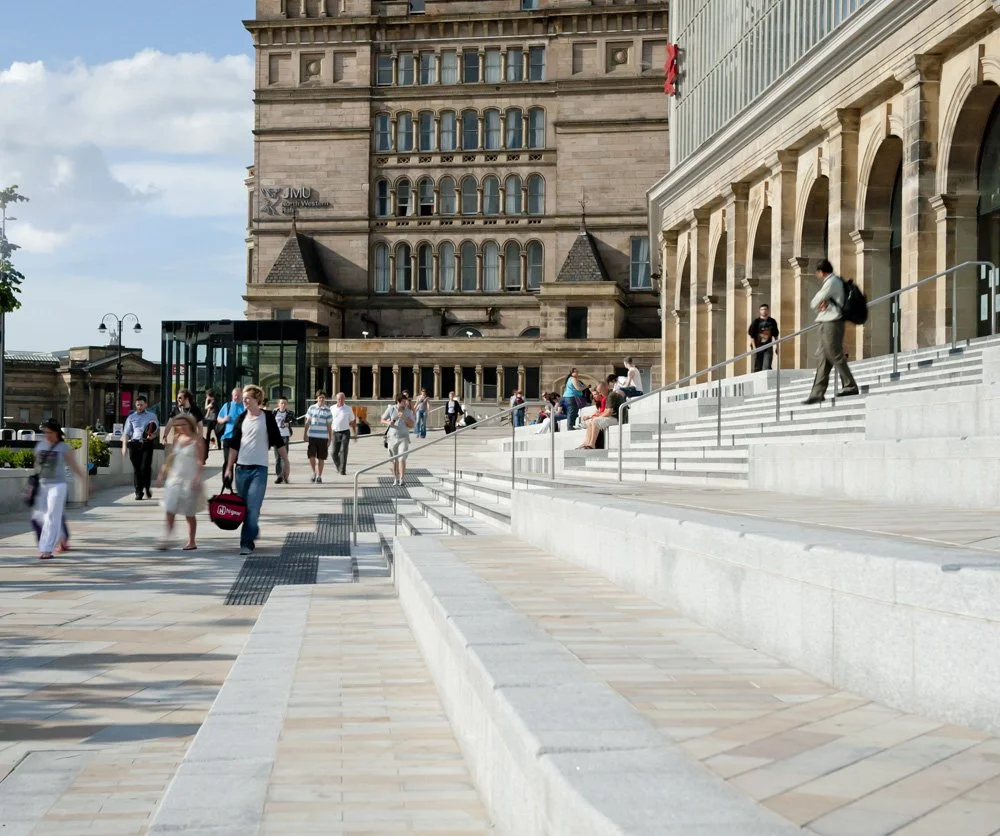
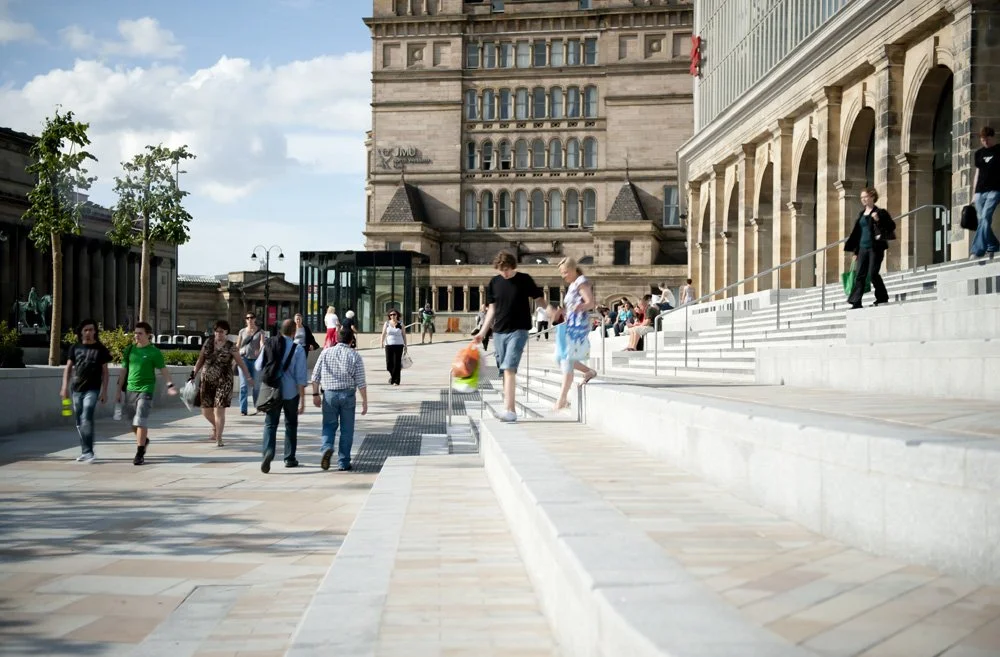
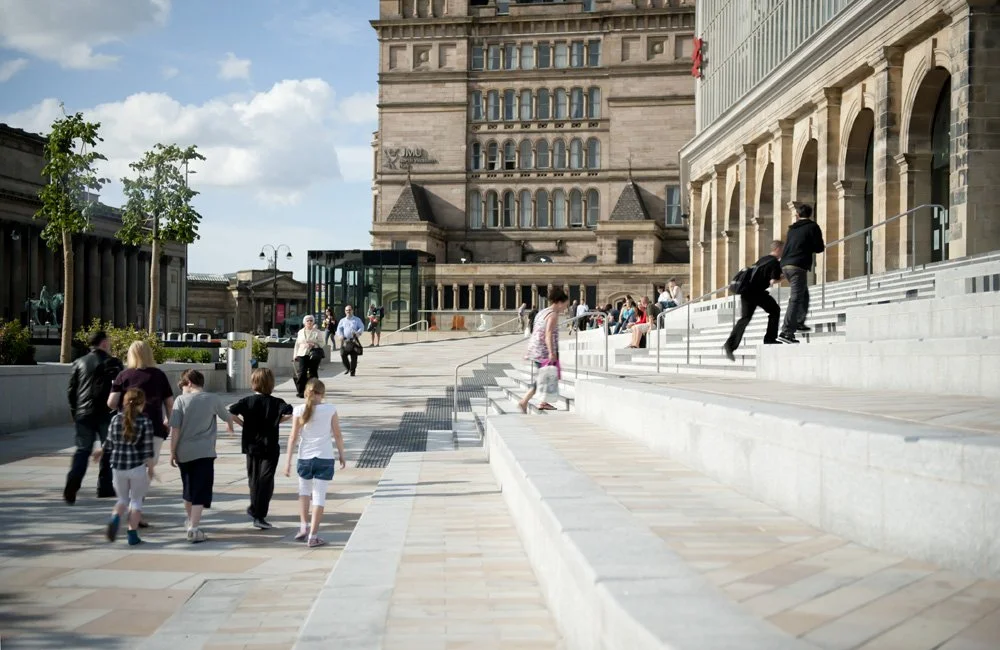
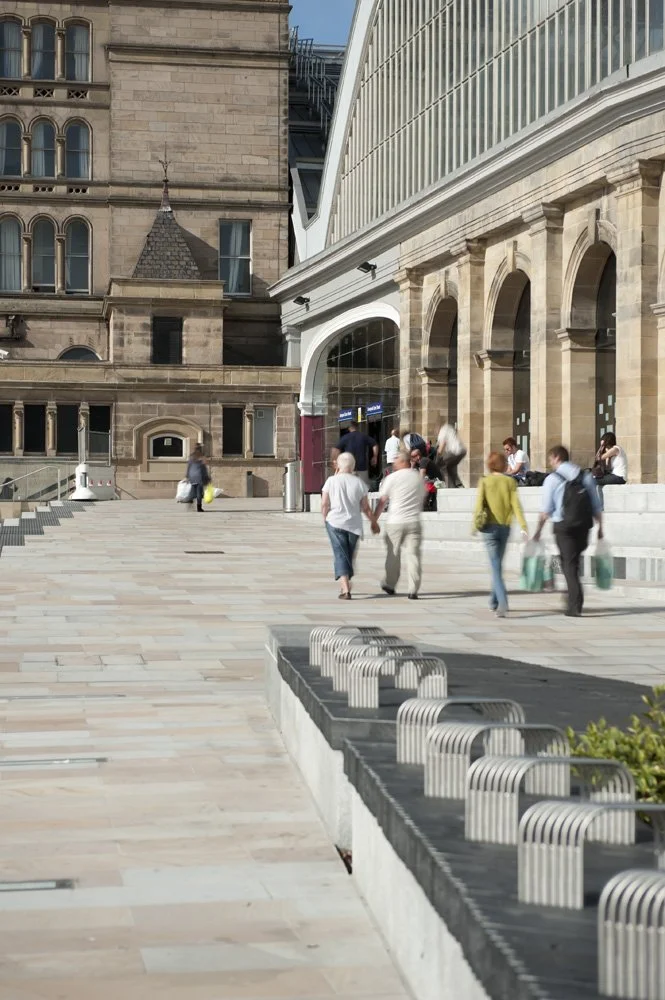
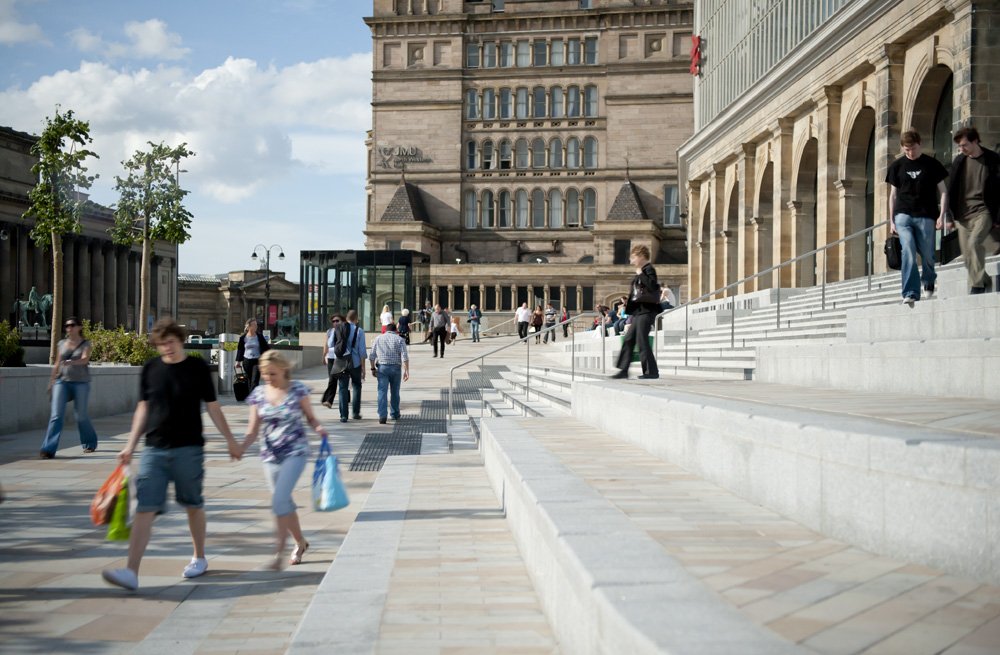
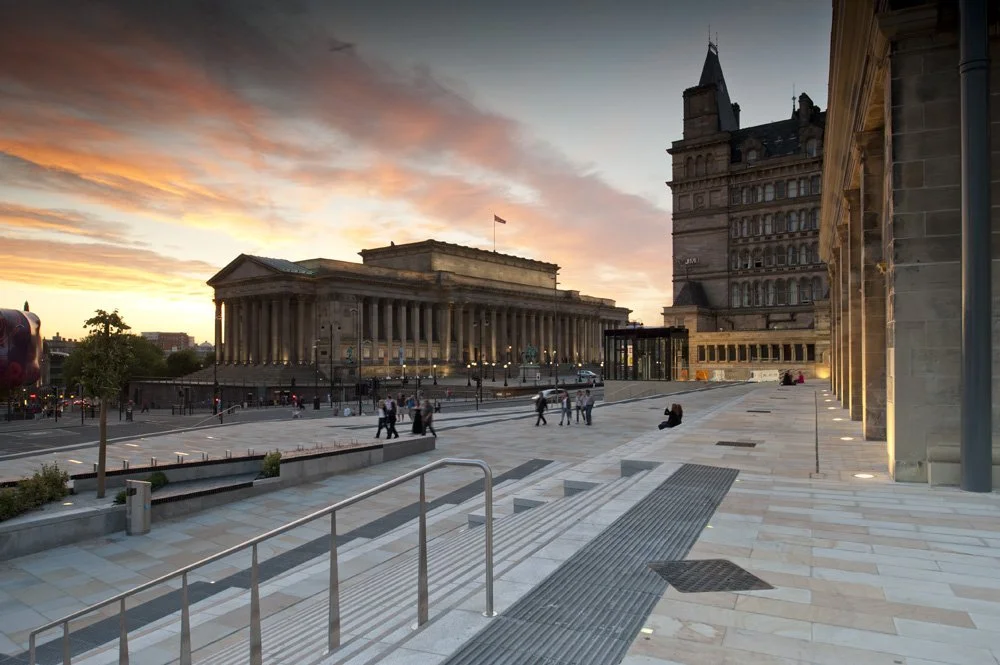
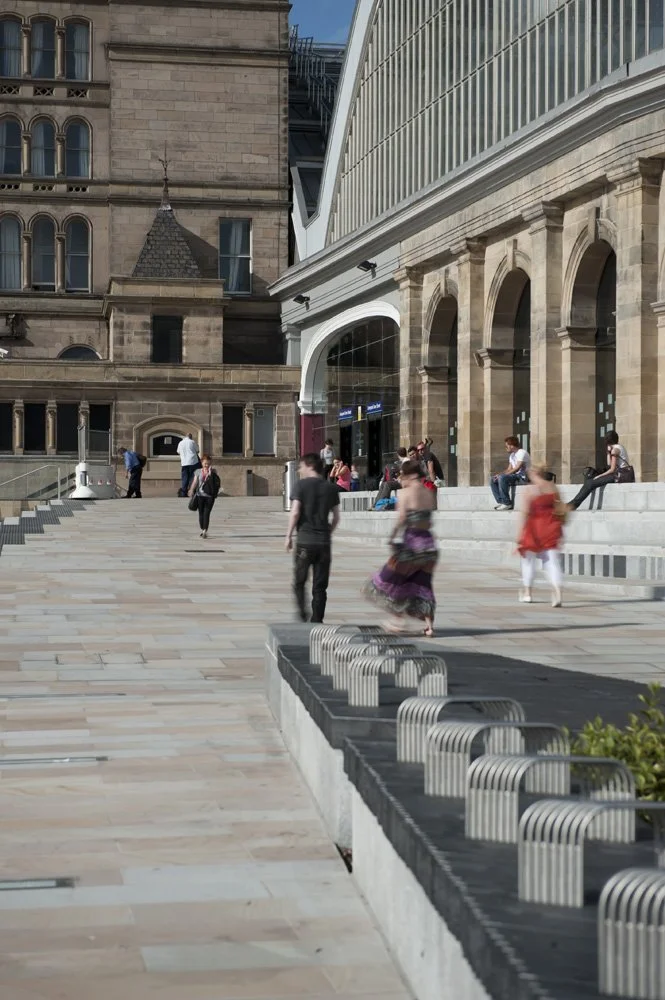
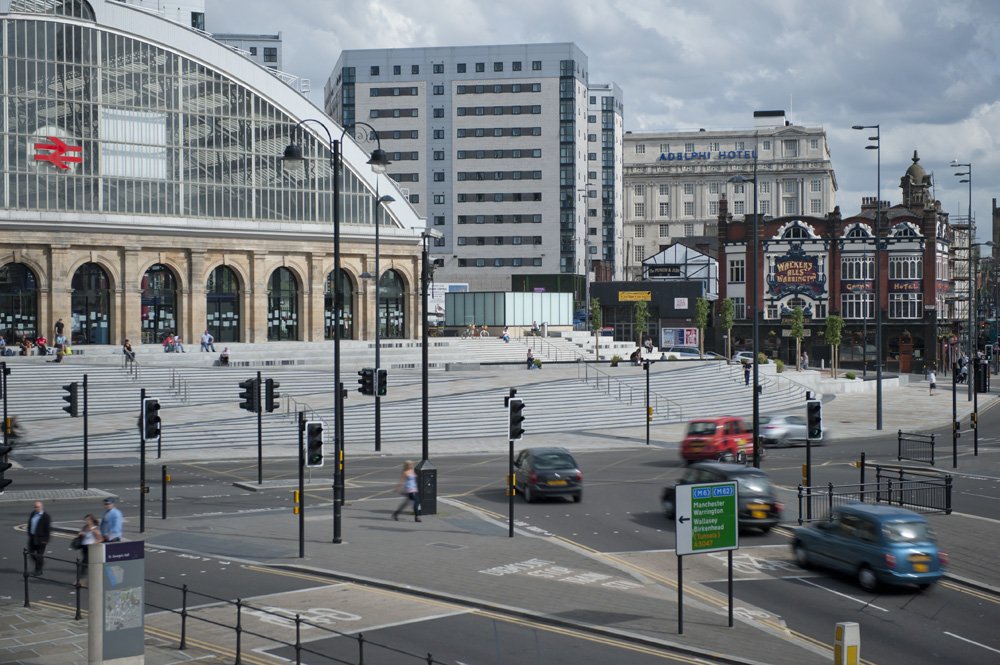
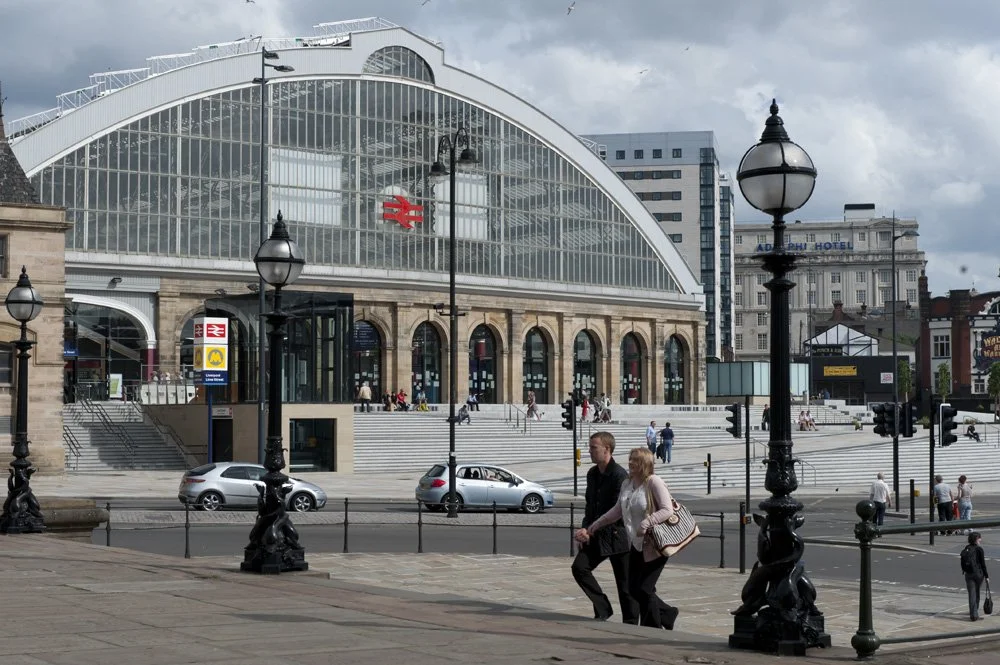
From 2007, Kerri led this initiative to strengthen the role of the historic Lime Street area as a ‘gateway’ to the city of Liverpool, and to make it function more effectively and efficiently for all users.
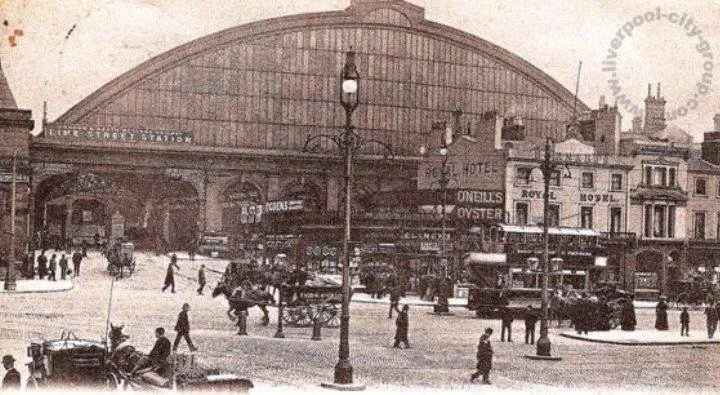
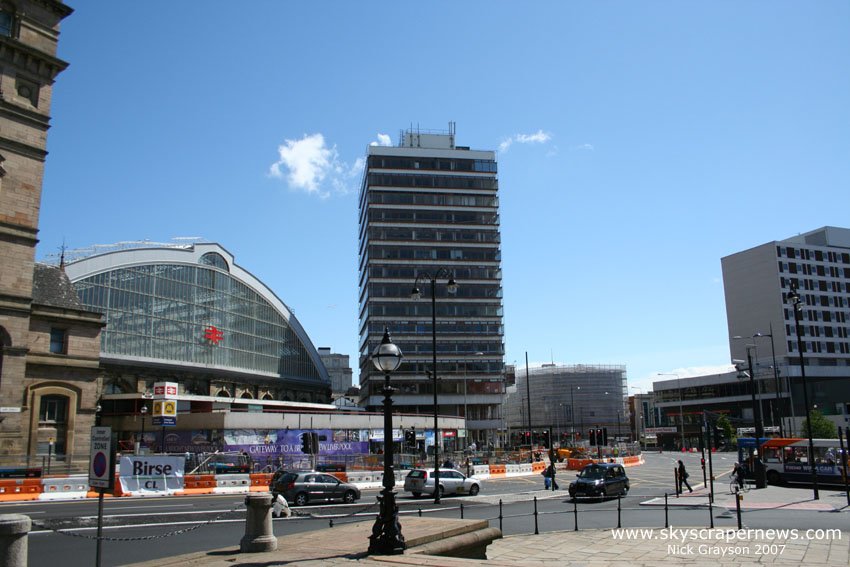
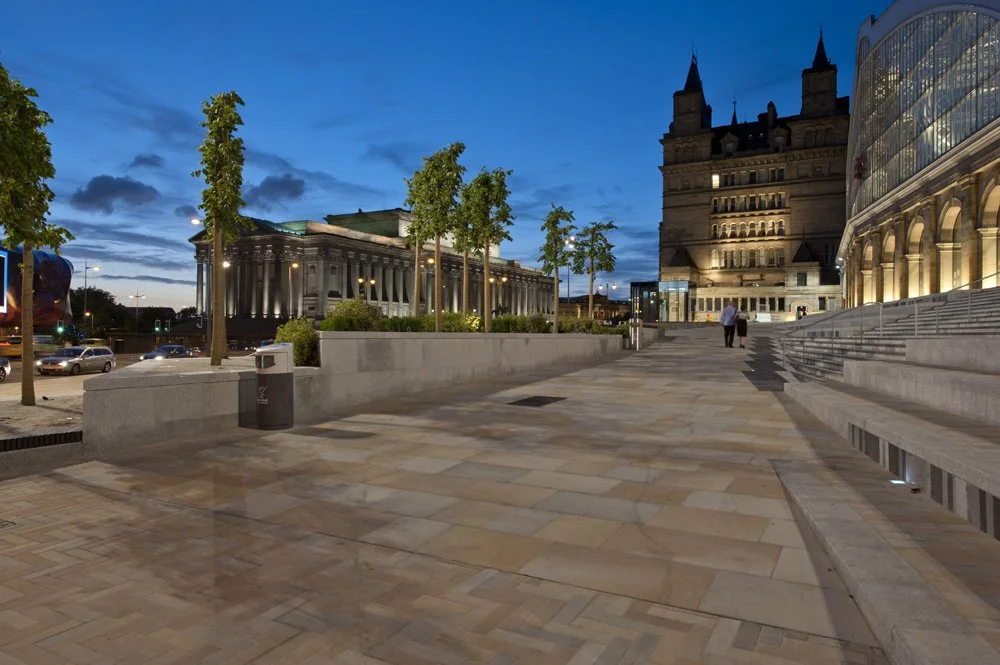
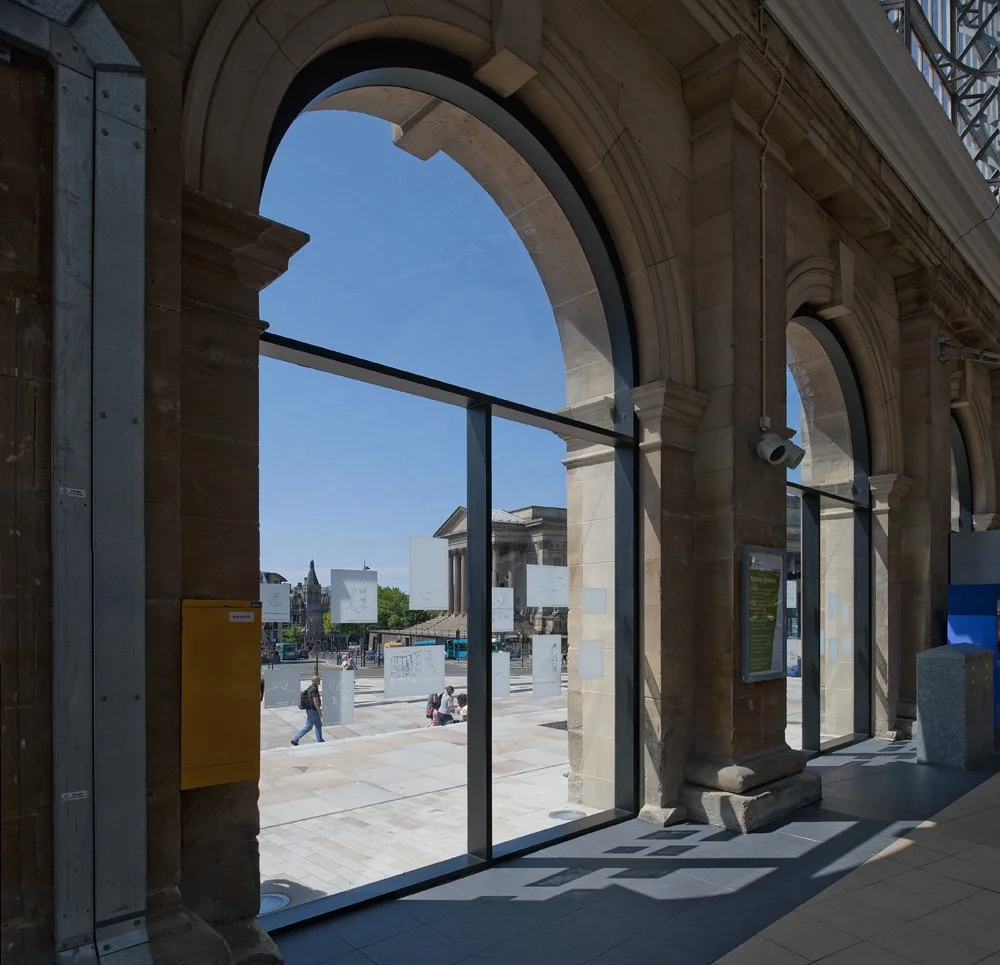
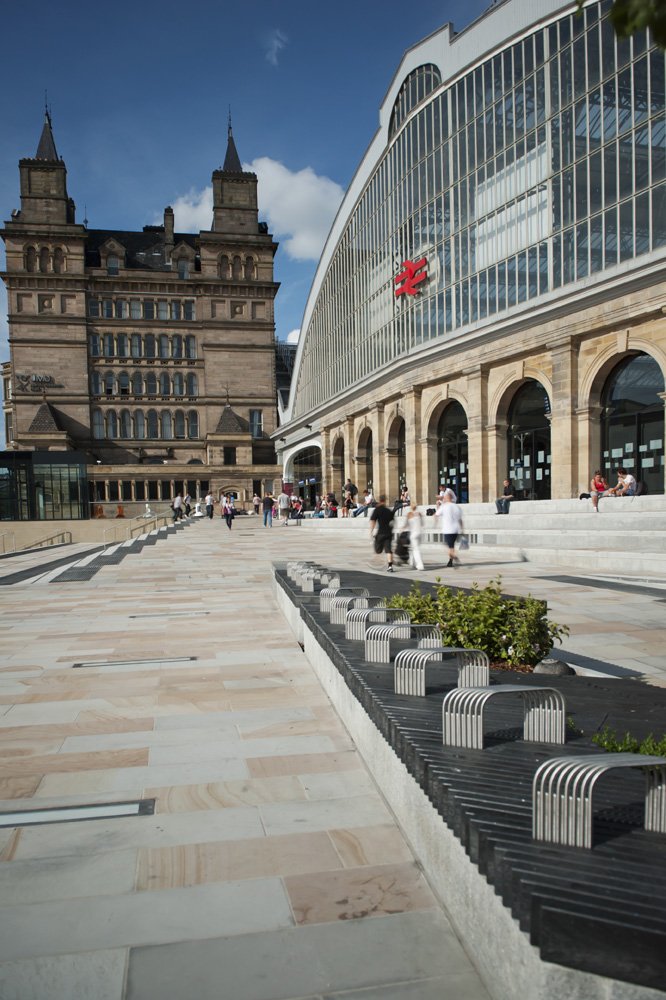
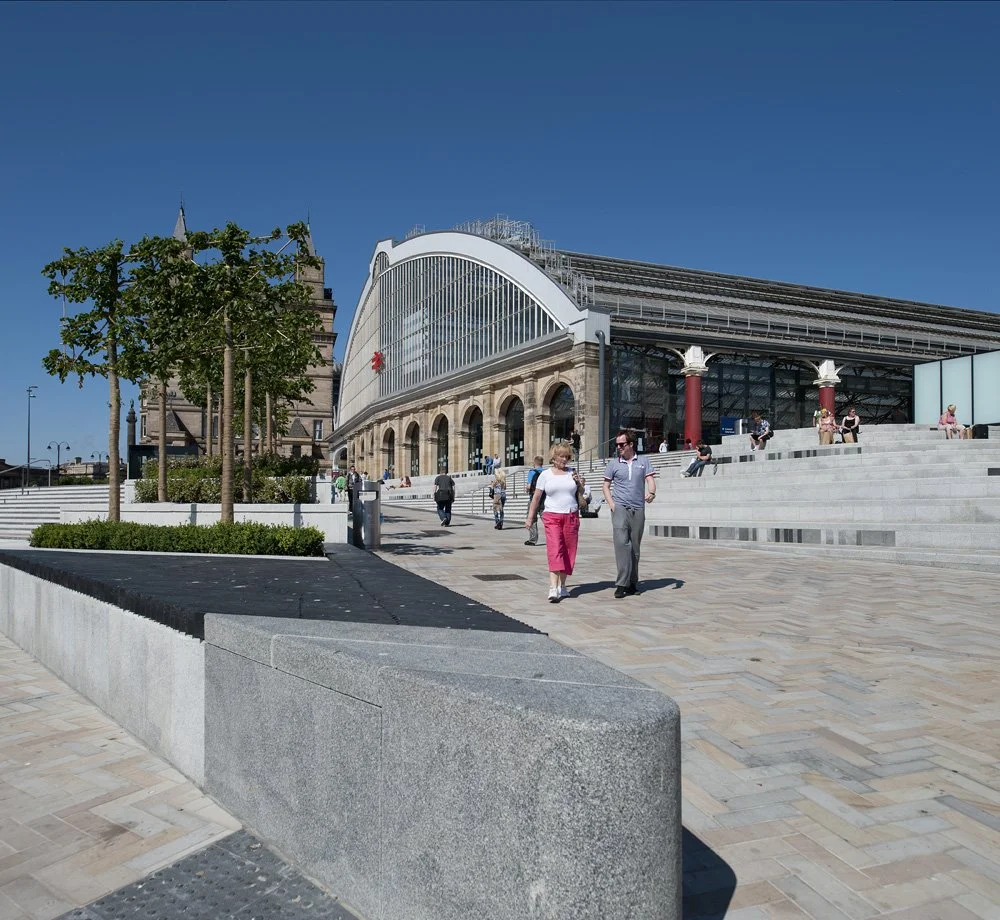
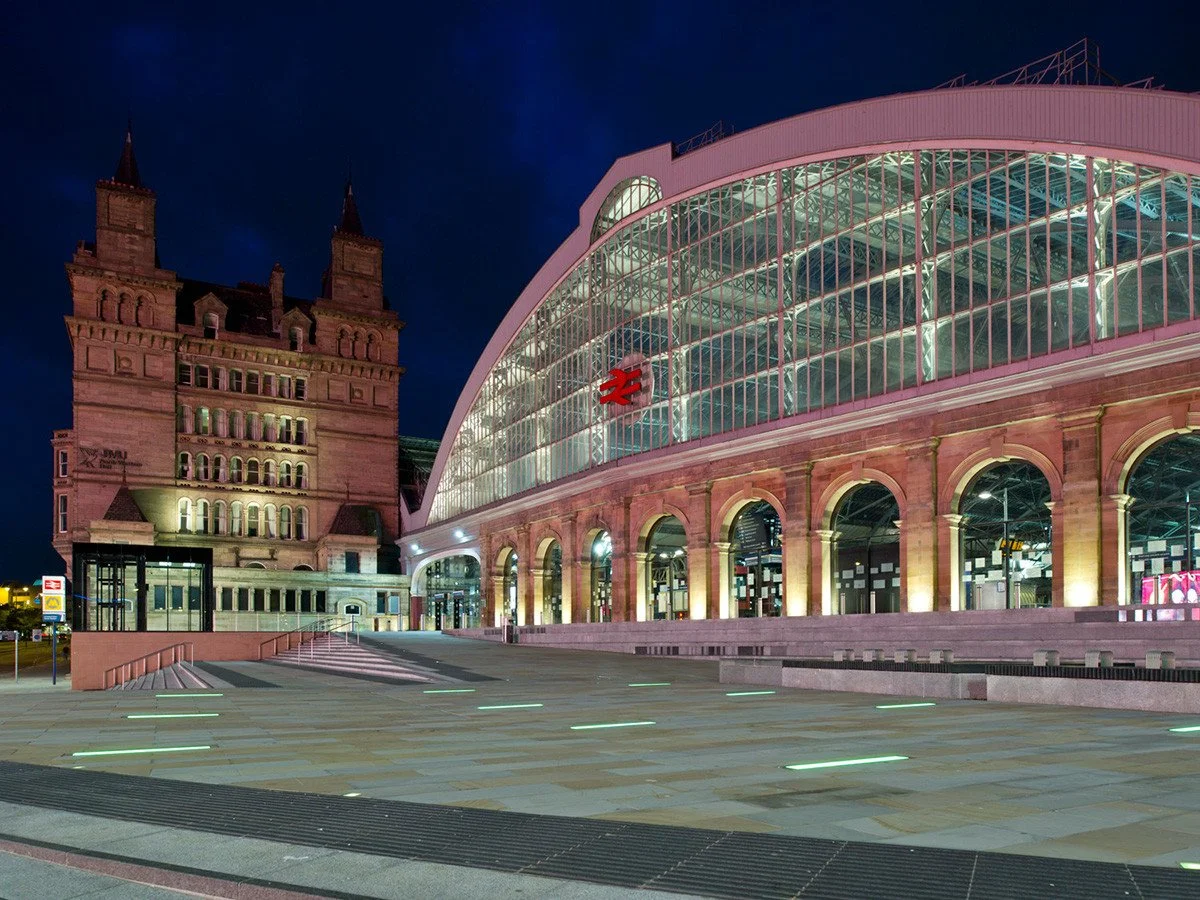
After leading the development of a shared Strategic Vision for the area with all key partners - Network Rail, Liverpool City Council, English Partnerships (now Homes England), UN-ICEMOS, Merseytravel (Liverpool City Region’s strategic transport authority) English Heritage (now Historic England), Liverpool Bienniale and Merseyrail - Kerri then led the design & development of the complex £60m redevelopment of the iconic Lime Street Railway Station & its surroundings. The site sat between the city’s World Heritage Site, 2 conservation areas, numerous Grade I, II* and II Listed buildings, a live major overland train station and a live underground railway station; it was also within the alignment of the city’s (then) propose Merseytram LRT system; and had a complex array of landholdings & rights that differed at ground, subterranean and airspace levels; and on a site with significant differences in levels.
Kerri appointed and led the professional team design team, and secured the required Planning, Listed Building and Conservation Area consents, despite challenges in the UK & European High Courts. She also led delivery of a full communications and engagement campaign; Statutory Legislation amendments and strike-offs; and a successful Compulsory Purchase Order (CPO).
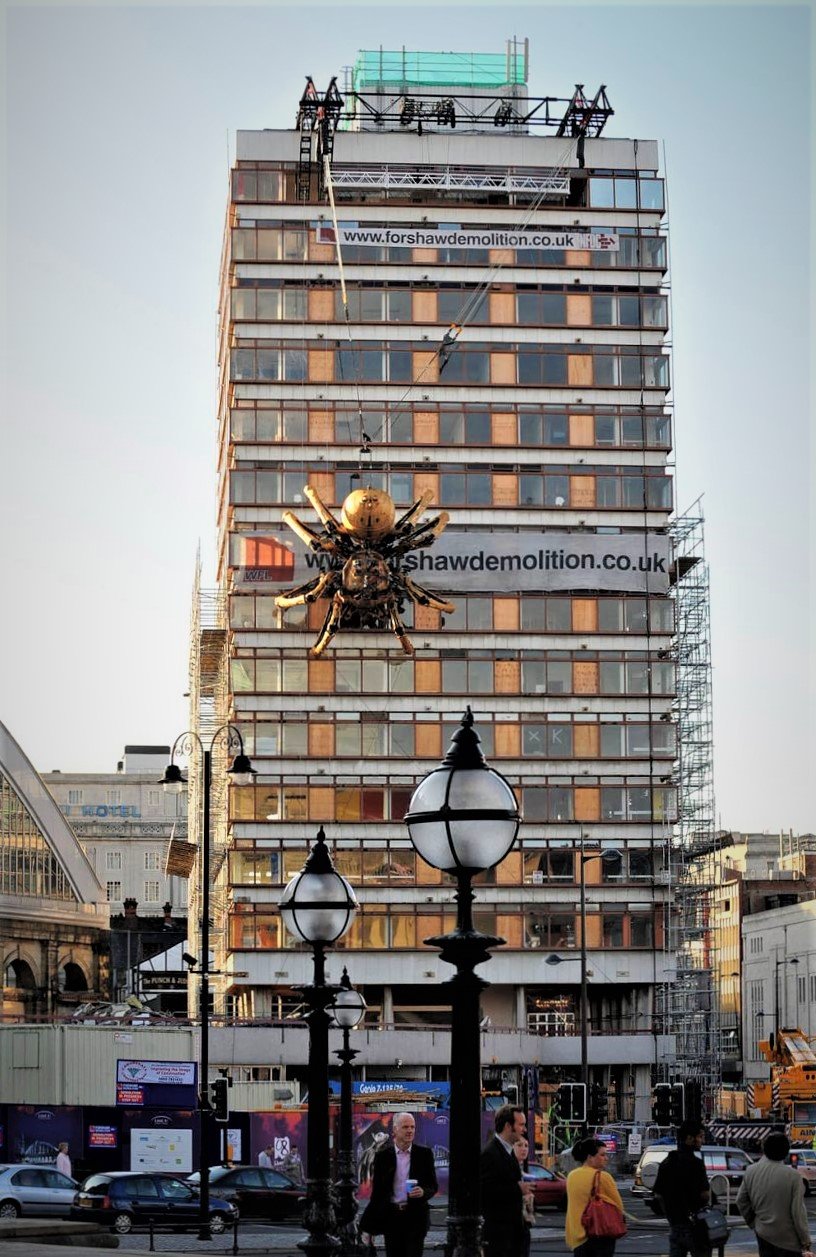
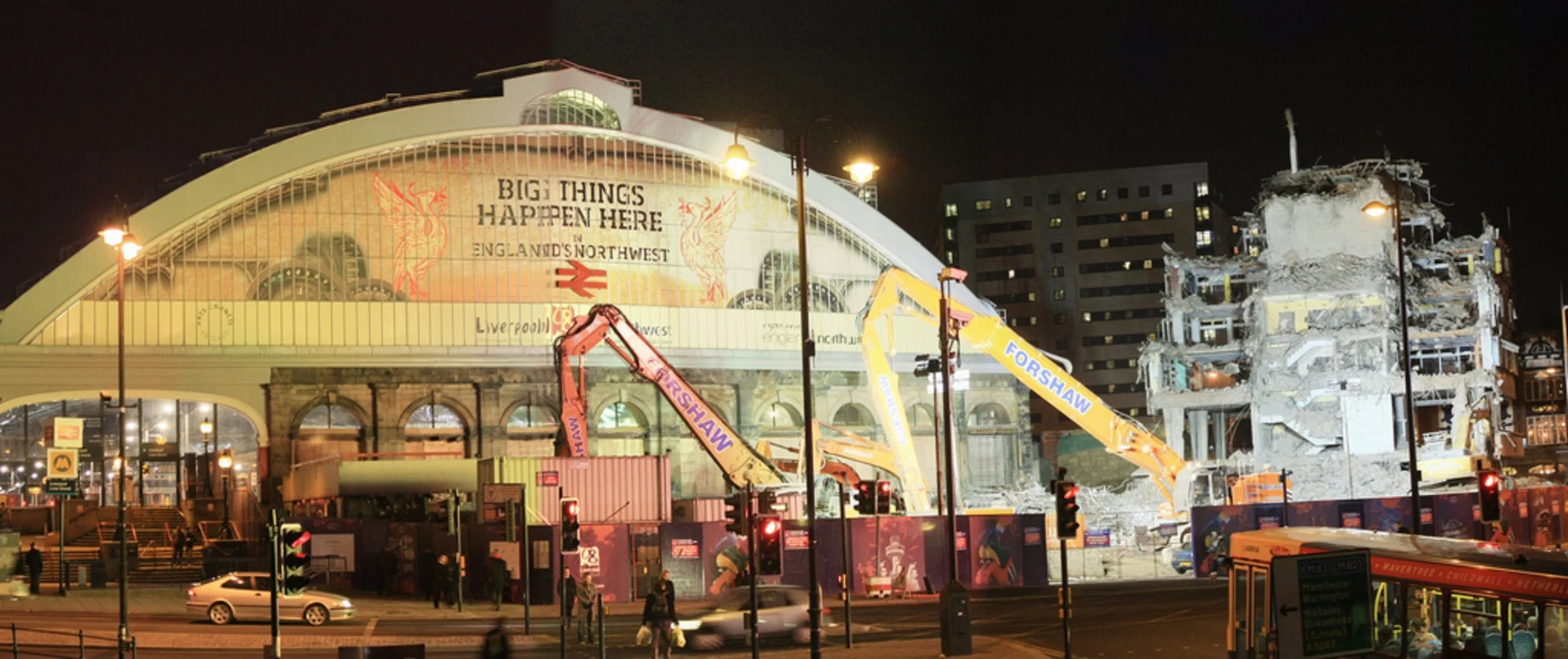
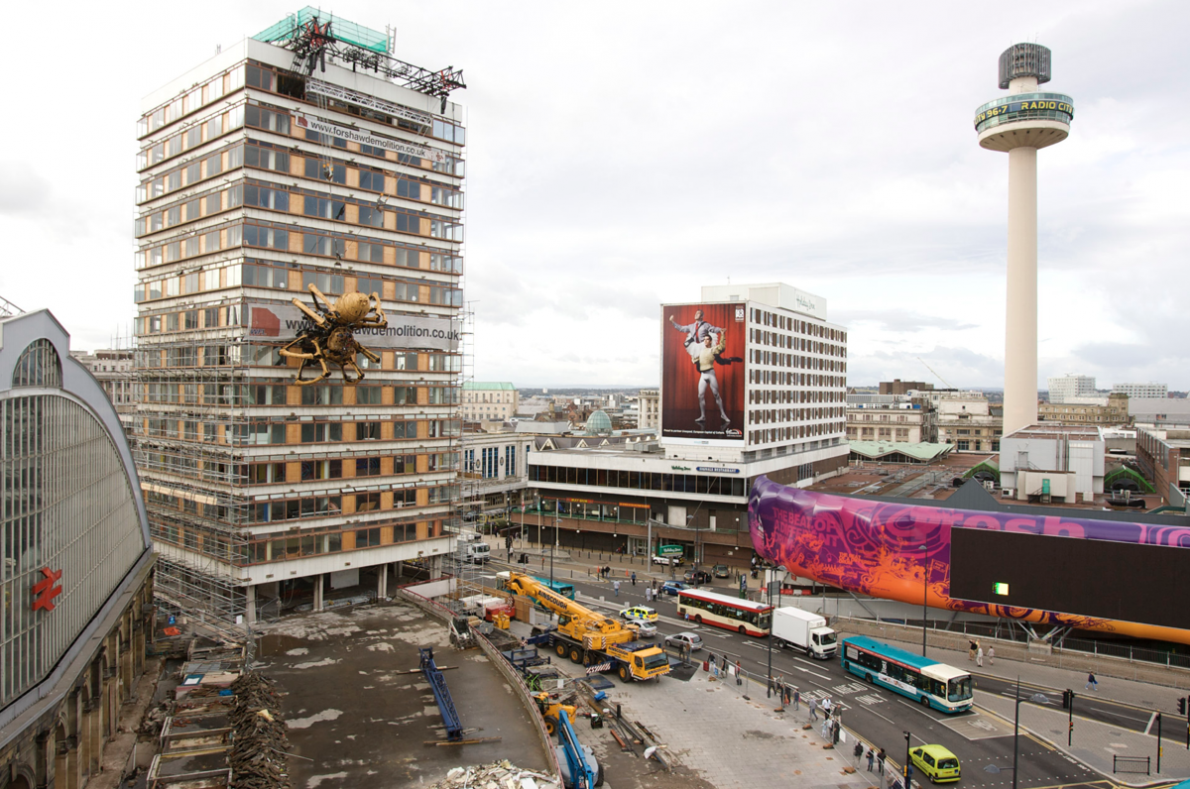
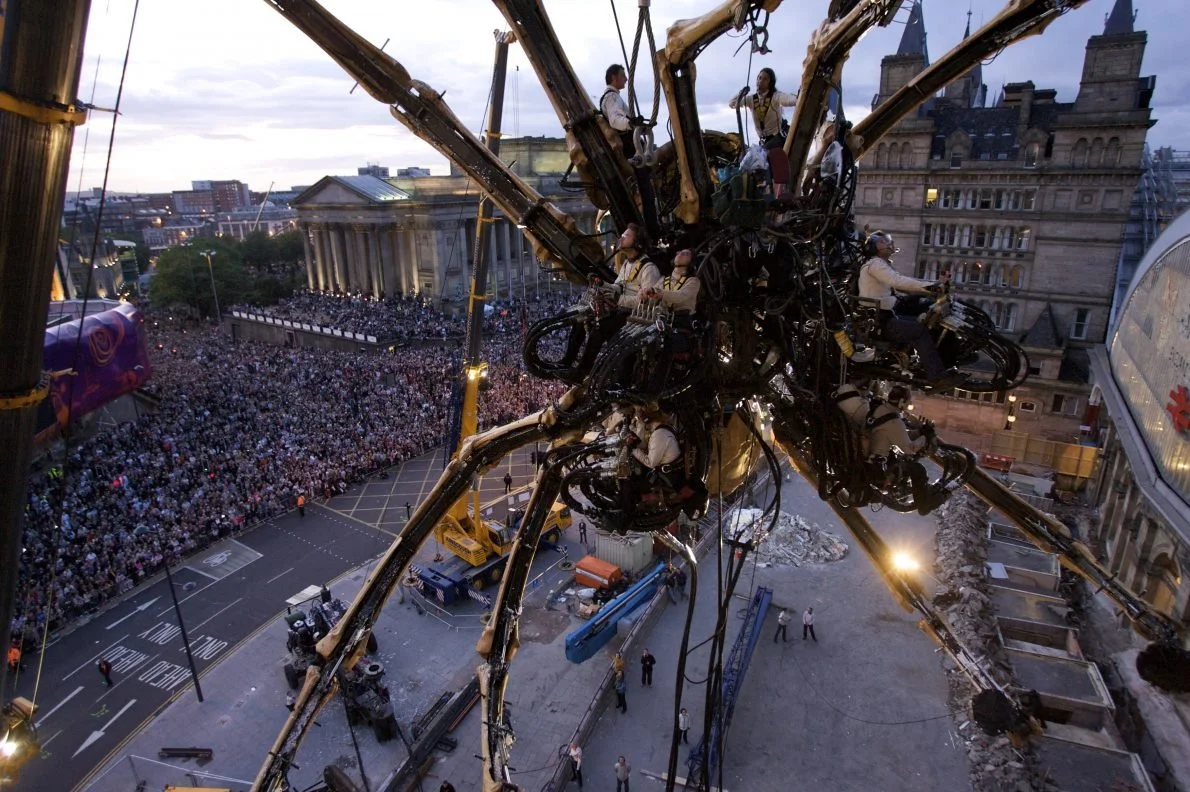
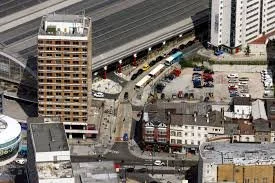
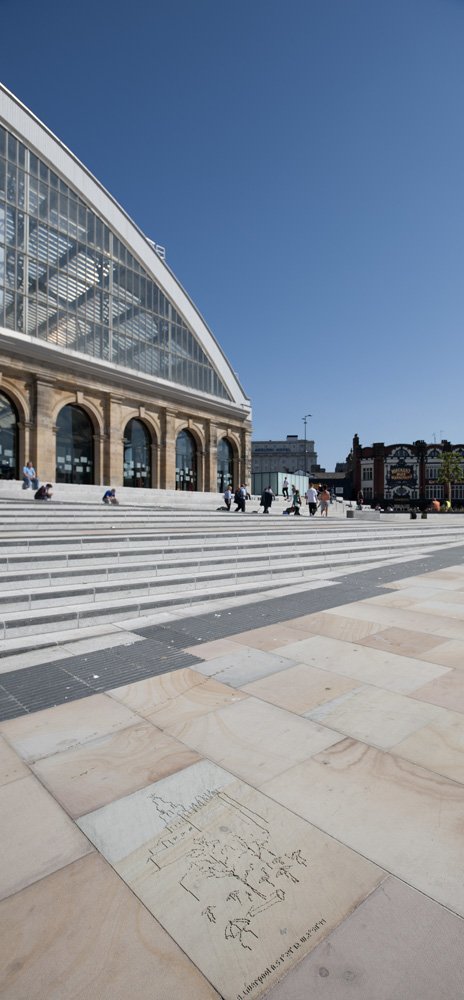
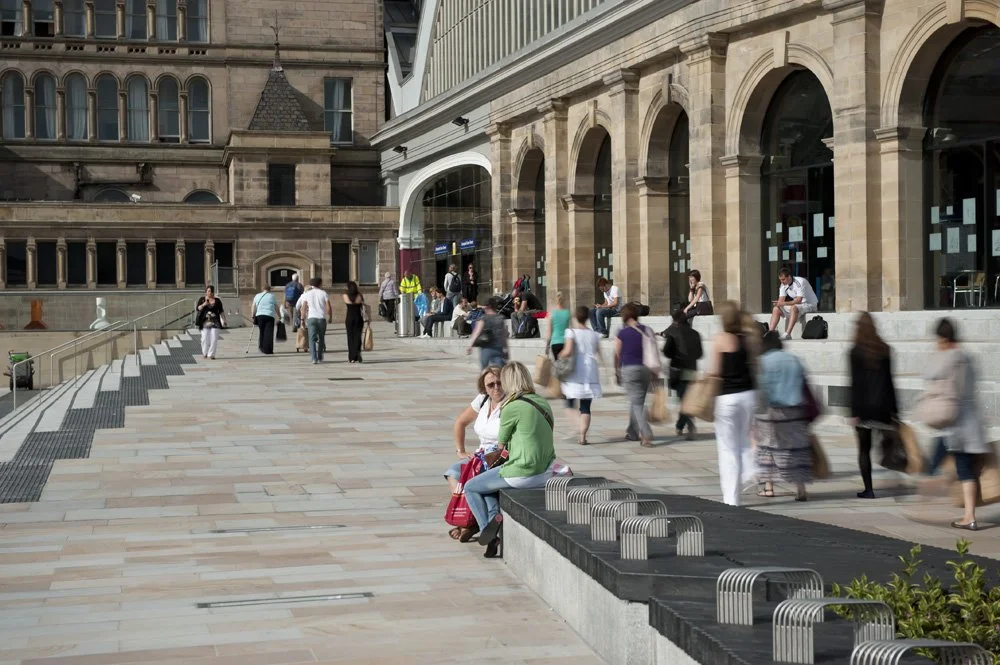
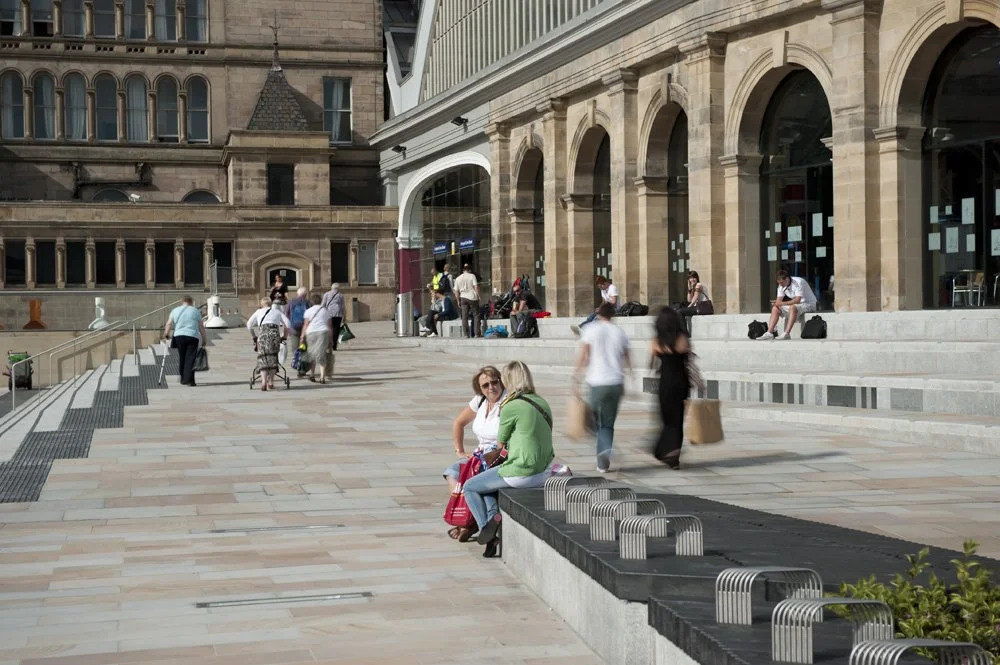
The initiative involved major highways realignment; creation of a new Equalities Act (DDA)-compliant entrances for both overground and underground stations; deconstruction of a large 1960s tower block and retail parade; and creation of 4000 m2 of high quality new public realm that dealt with the up to 20m level difference between the highway and the main station. A 30-story landmark glass elliptical was also originally planned, but was indefinitely postponed following the 2008 recession. Kerri also led negotiations with Liverpool Biennale and La Machine for the site to be incorporated into the opening ceremony for the city’s role as European Capital of Culture in 2008 https://www.artichoke.uk.com/project/la-machine/).
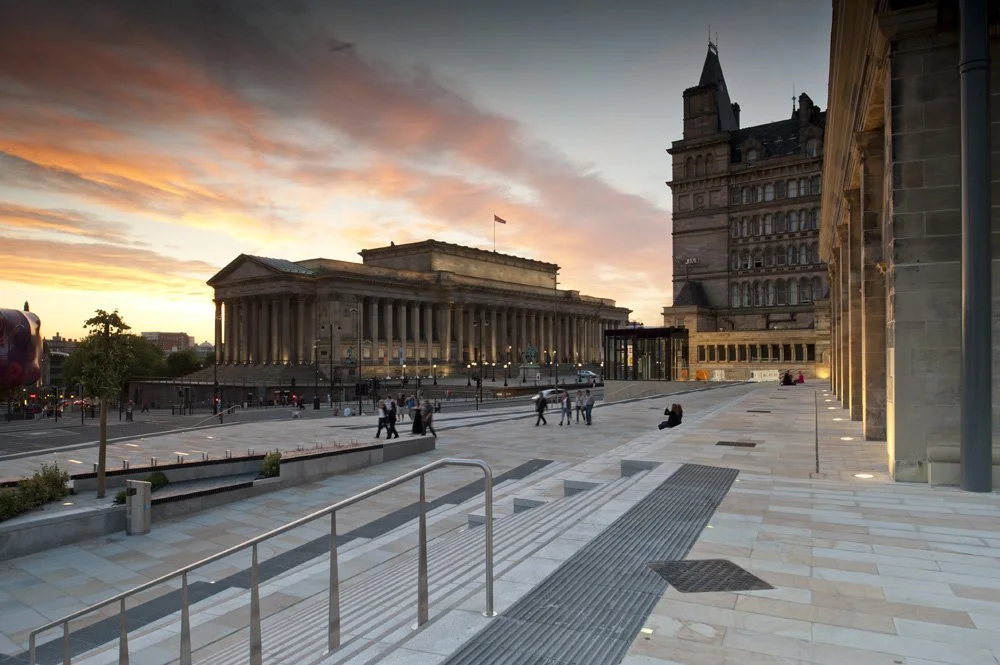
The project has won numerous awards and accolades including:-
- a UN-ICEMOS exemplar of new development best practice in heritage areas
- UK Station Of The Year
- National Transport Awards
- Royal Town Planning Institute (RTPI) Awards
- National Railway Heritage Awards
-LDA Street Design Awards
Hope Street
with Camlins and Liverpool 2020/Mouchel
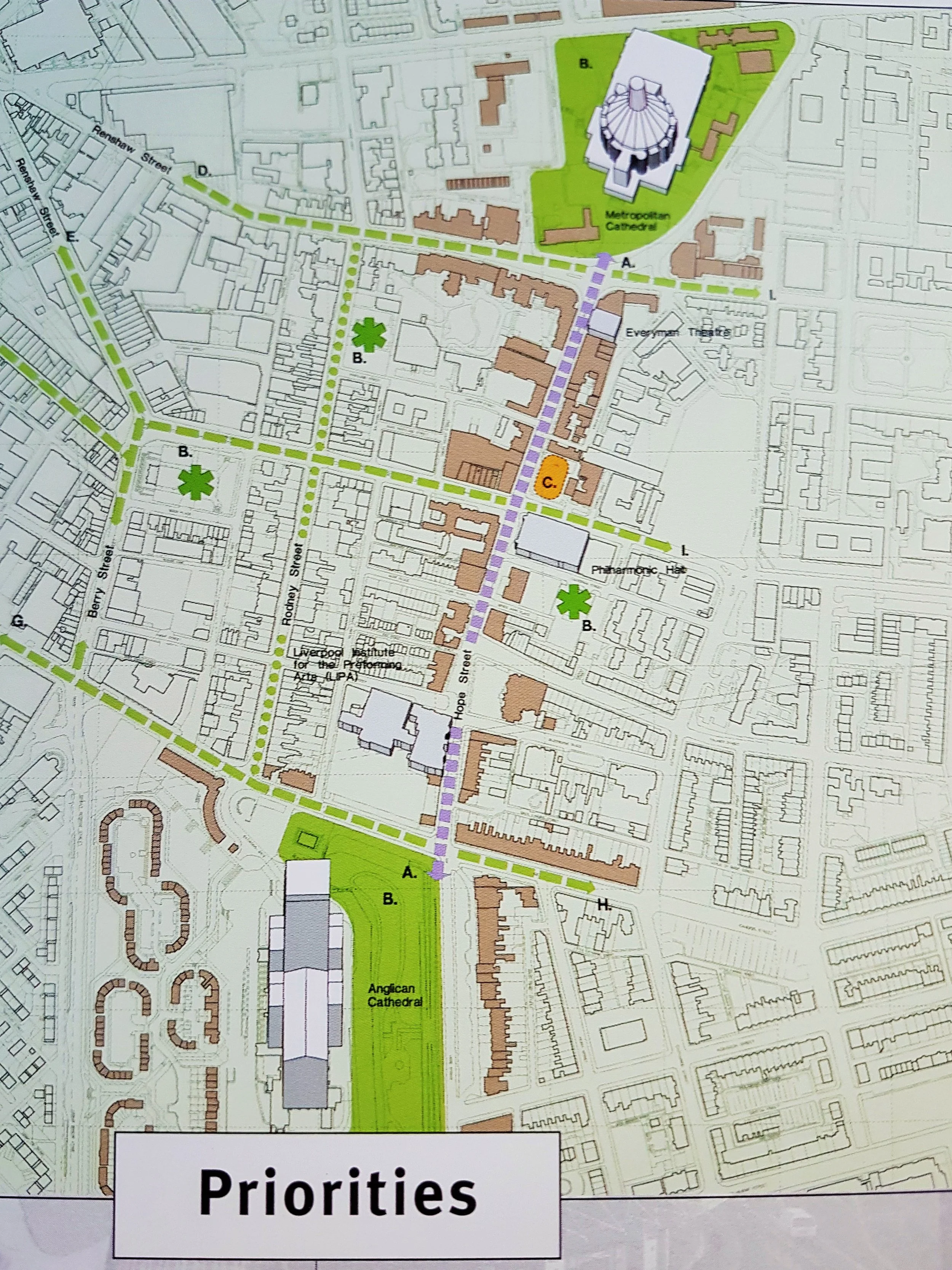
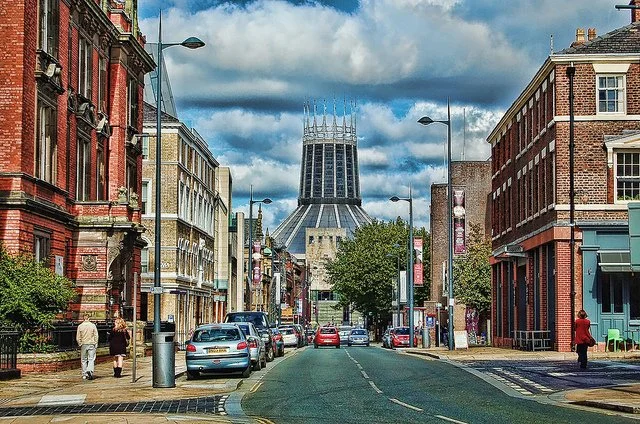
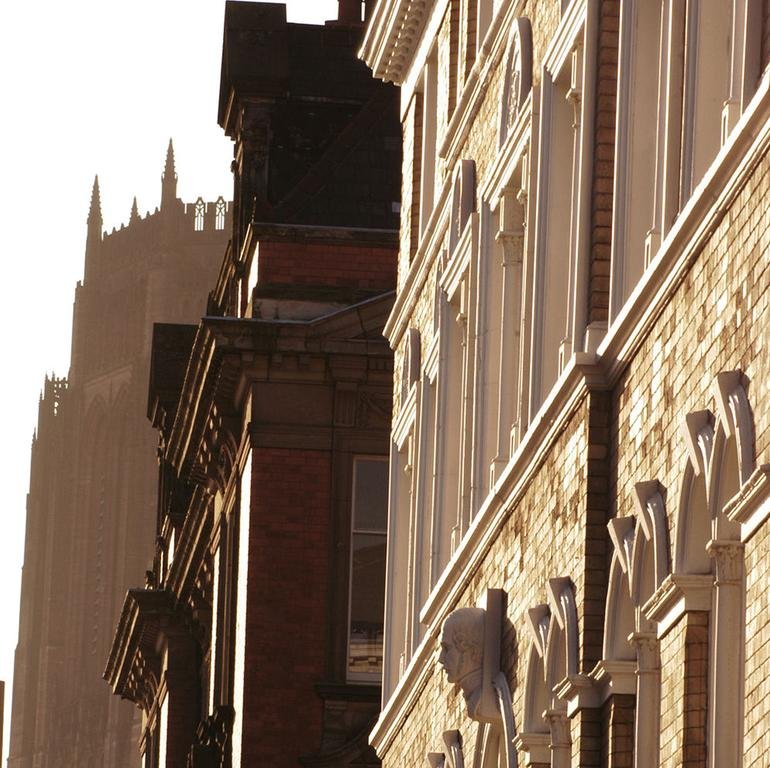
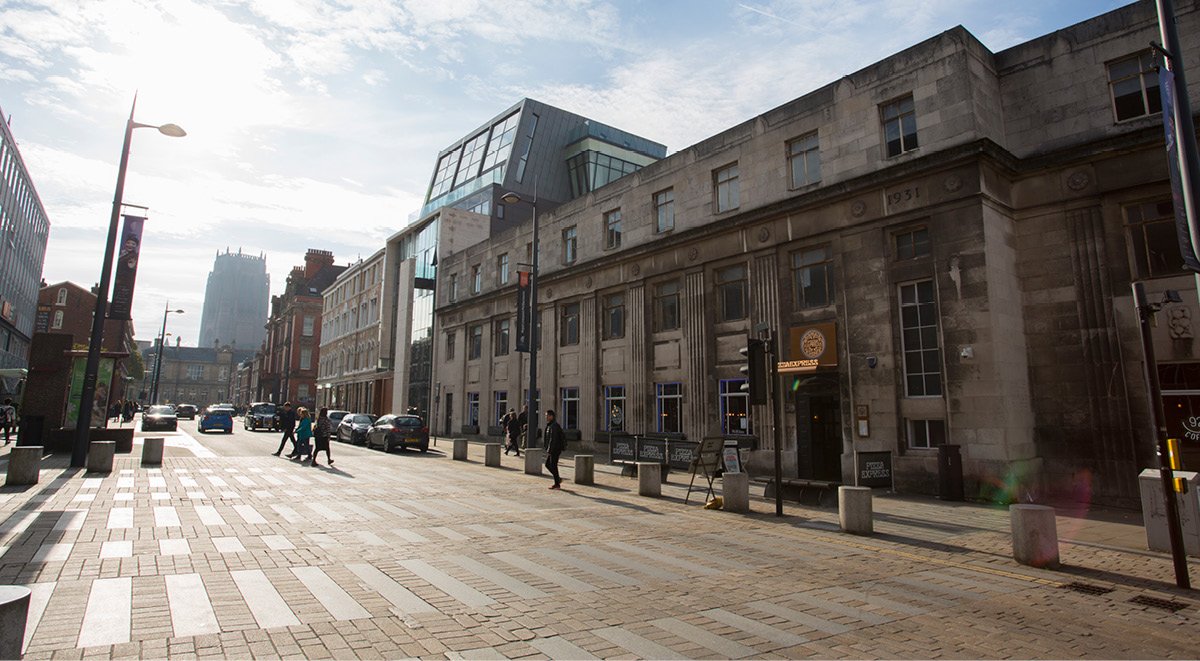
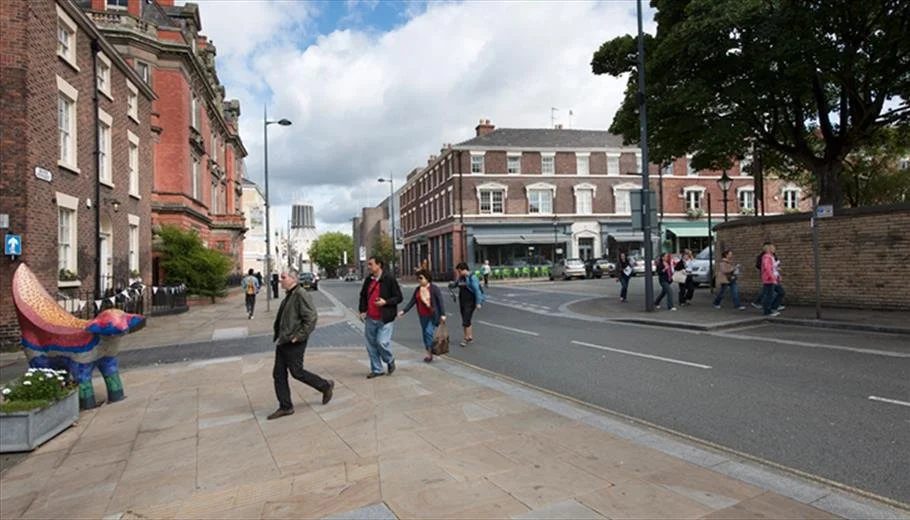
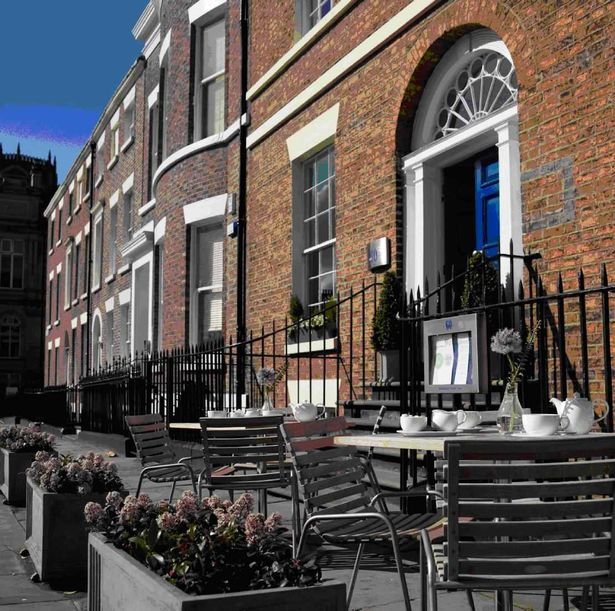
Hope Street is a 1.5km street in the heart of Liverpool’s World Heritage Site which is iconic within the city. The city’s two unique cathedrals - the Metropolitan and Anglican - sit at either end of the street, with the area having one of the highest concentrations of heritage, higher education and cultural institutions in the UK, including 40 listed buildings.
By the early-2000s, the Street had become dominated by vehicular traffic and parking; and one section had issues with criminal and anti-social behaviour. The street-scene did not reflect the wealth of cultural ‘gems’ already in the area, and was holding back their latent potential.
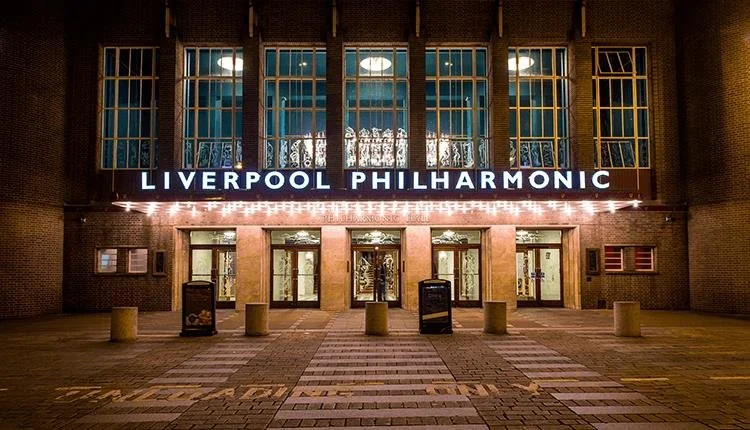
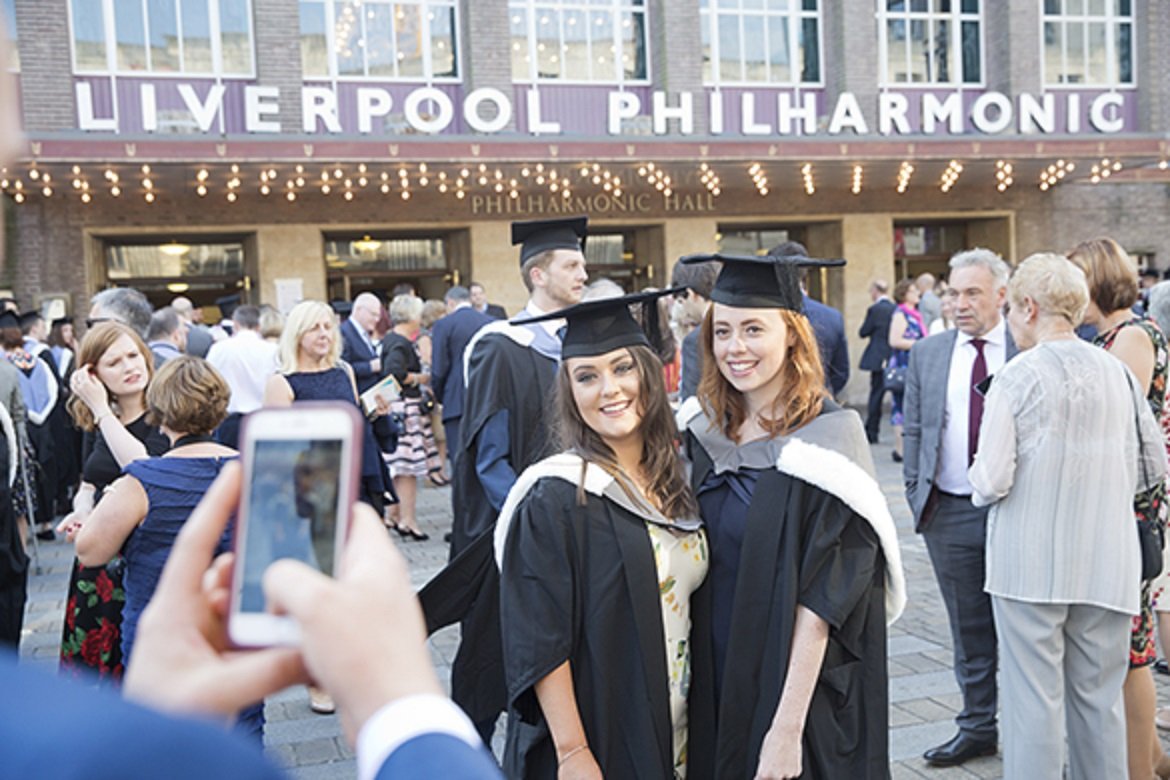
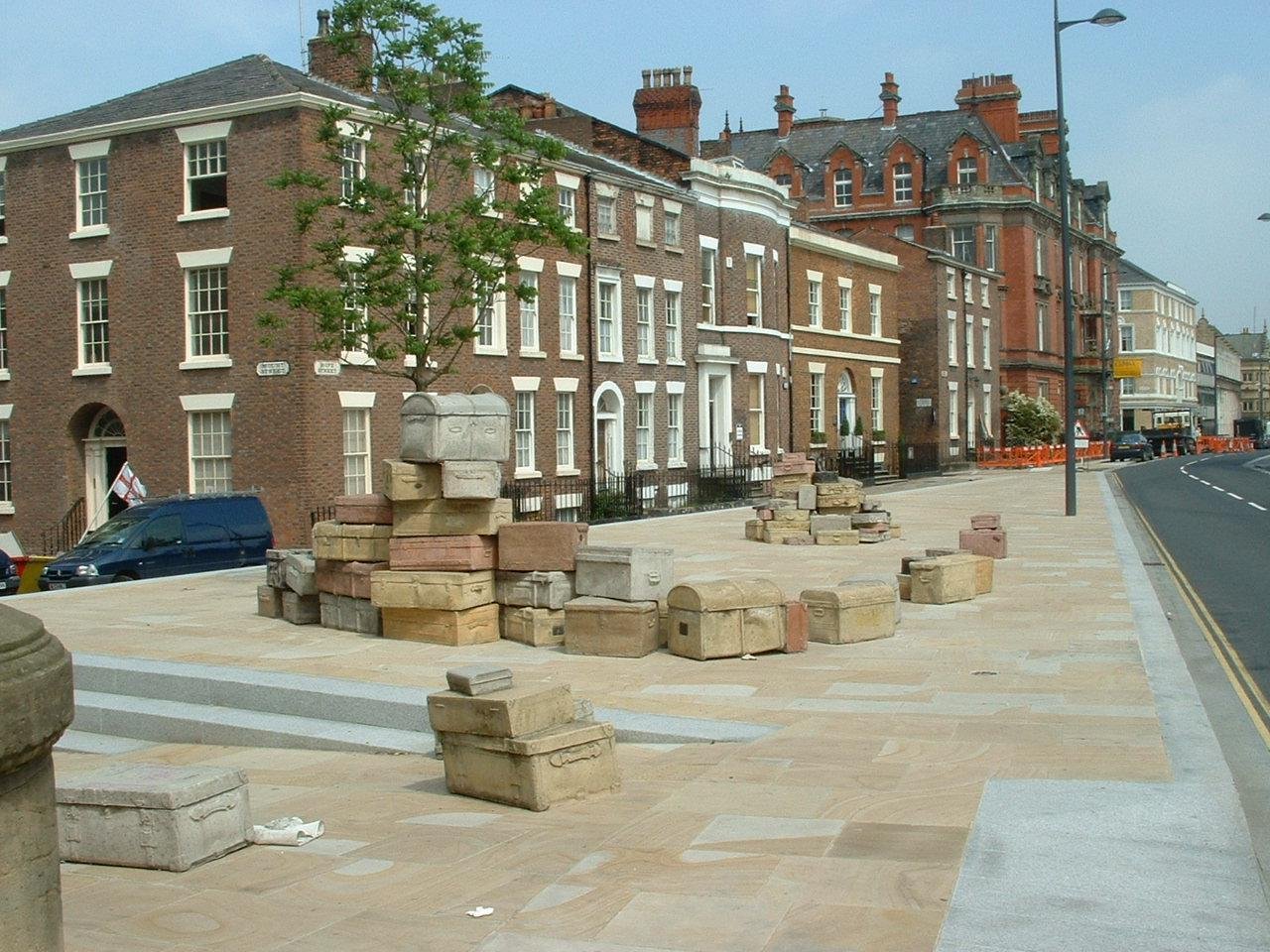
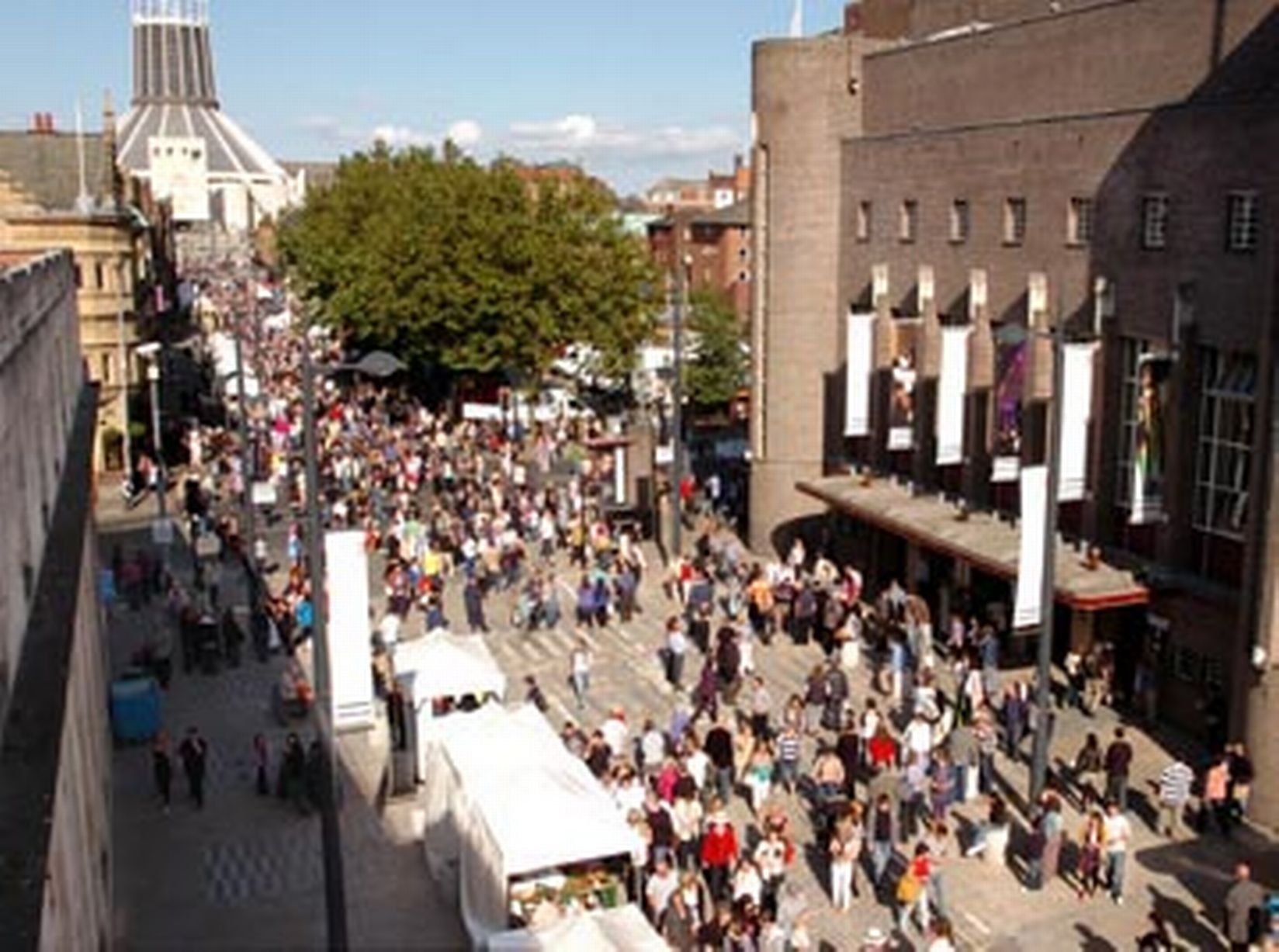
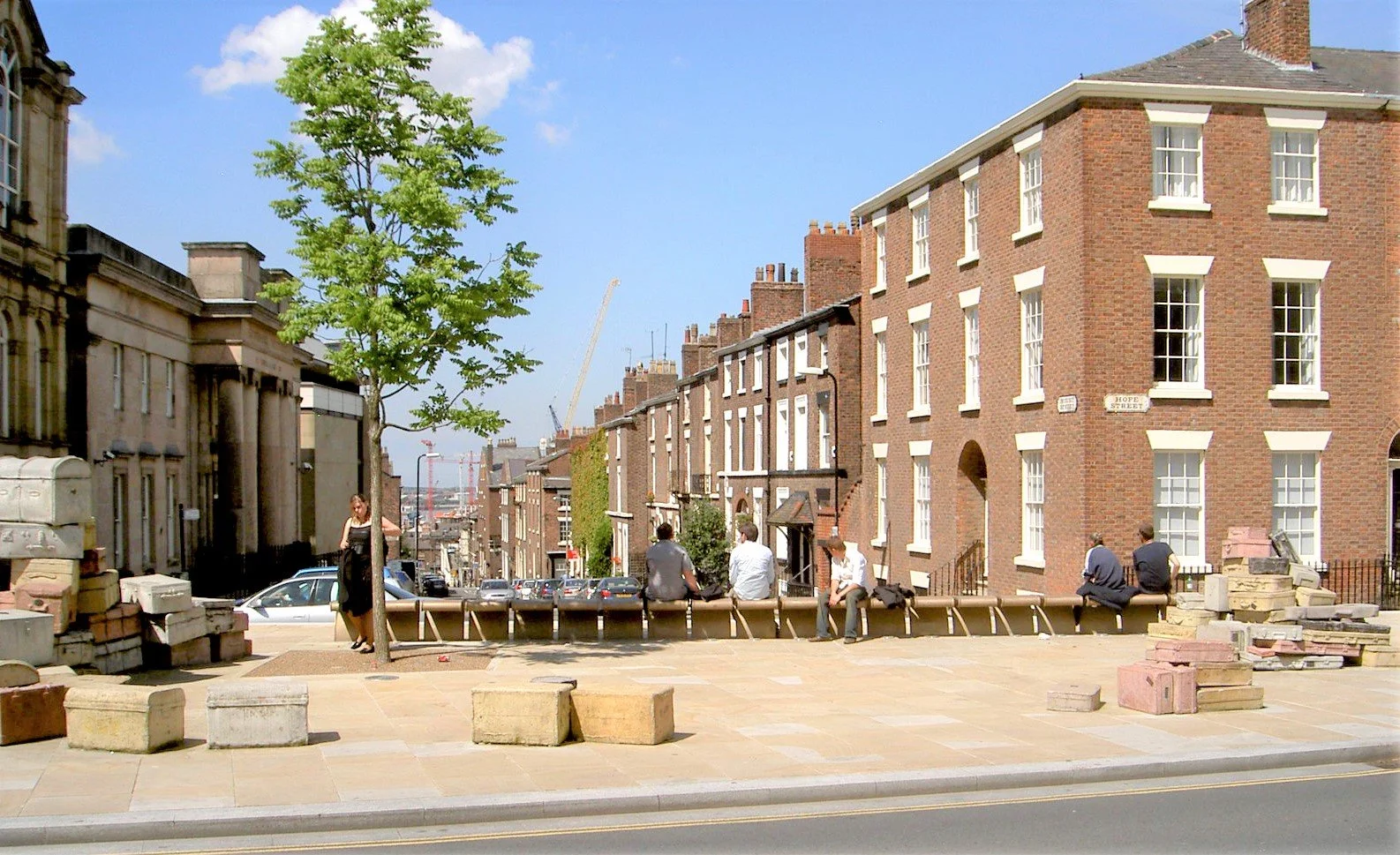
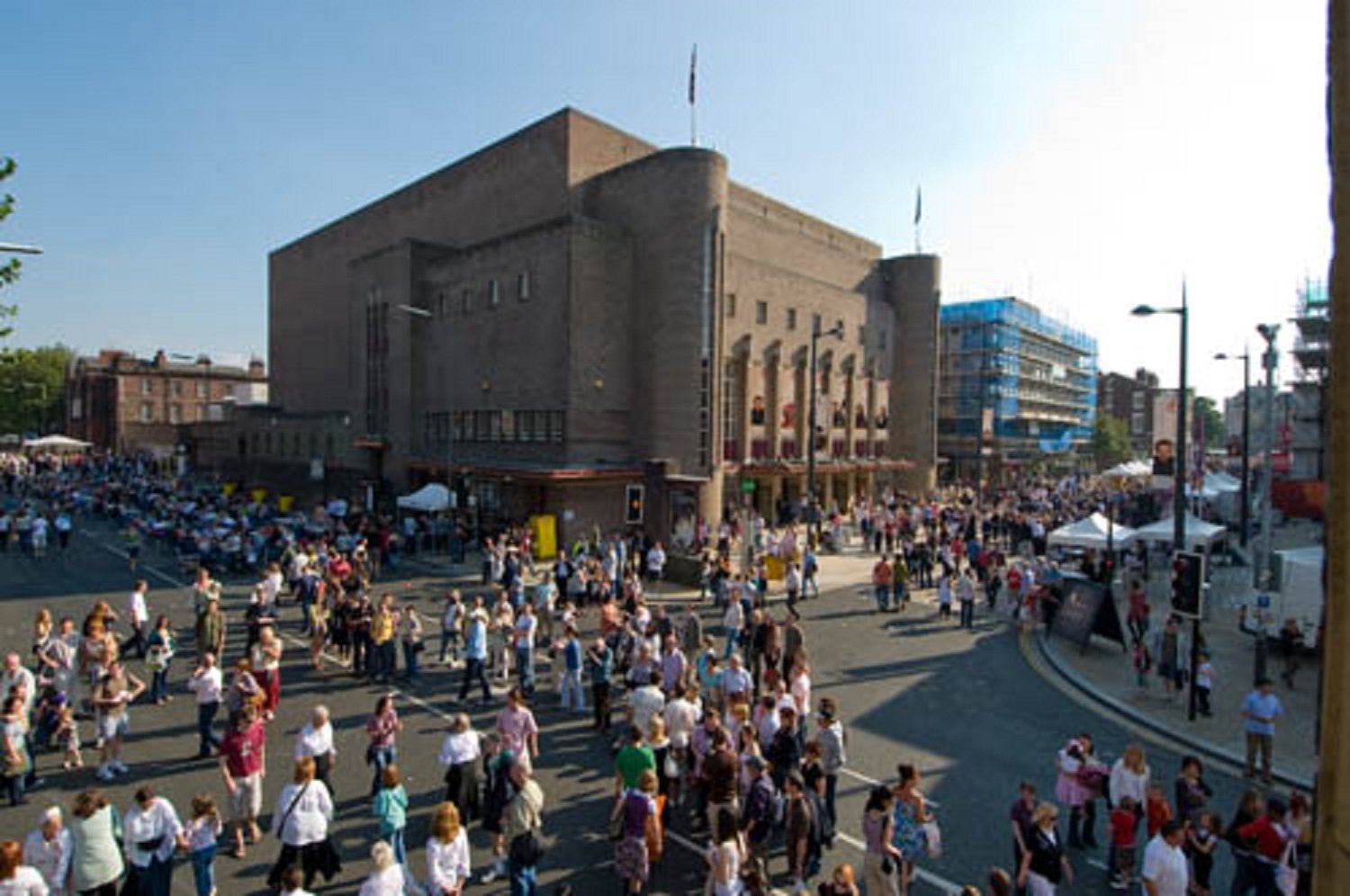
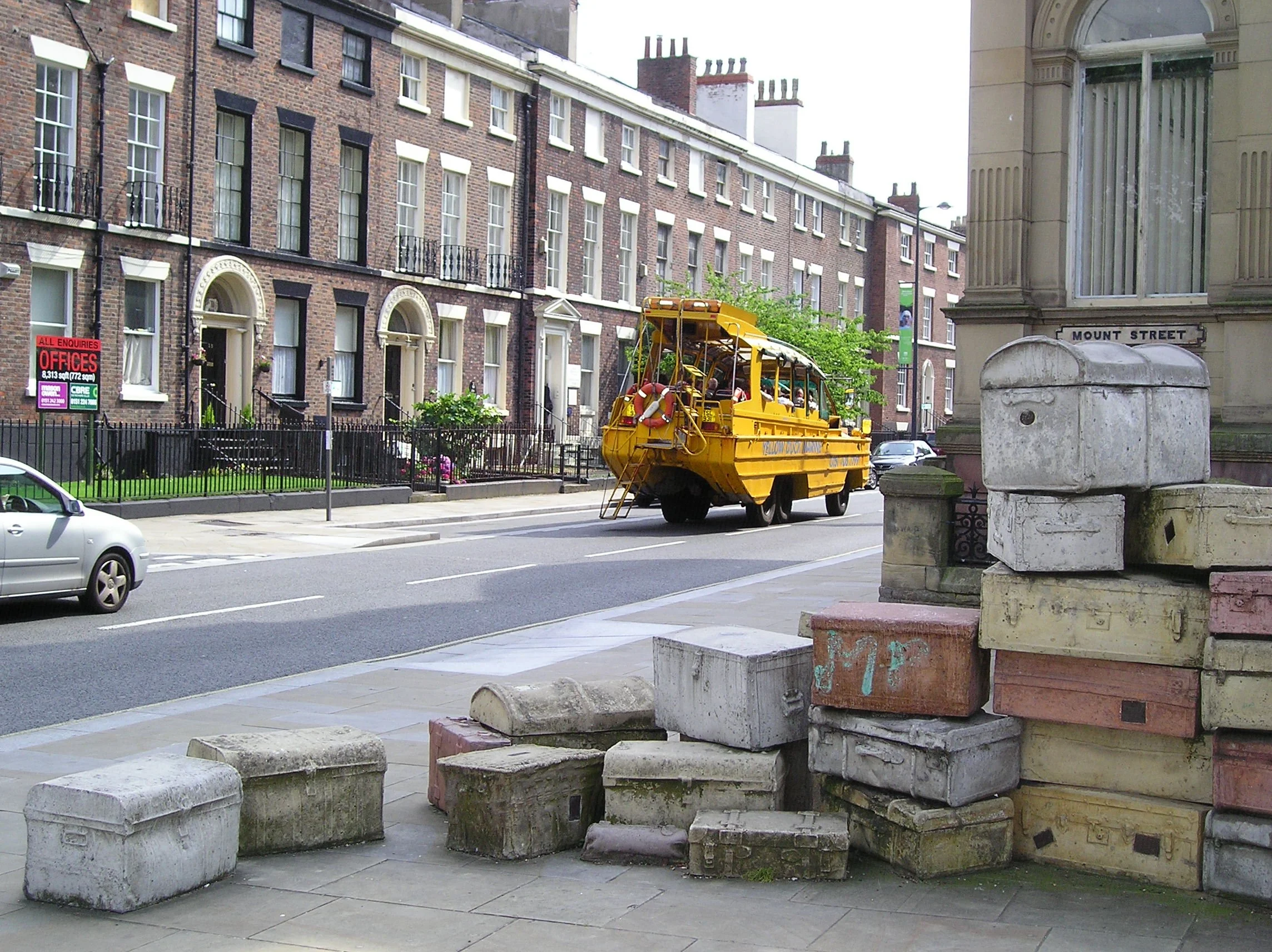
Kerri led the design & delivery of a £2m scheme to re-balance pedestrian space and highway space; reinstate historic features; to improve highways junctions and street lighting. New public spaces were created with bespoke street furniture, including the new ceremonial ‘Philharmonic Square’ - the city’s first ‘shared space’ outside the Royal Liverpool Philharmonic Hall; artisan-designed bronze seating units; and a new home for the renowned ‘Suitcases’ art installation. Feature lighting for key buildings was introduced, including the new 5* boutique Hope Street Hotel. 36 new street corners had to be individually designed, many to withstand repeated heavy goods run-over. Some Georgian era sections of the road were found to have no drainage, so this was also installed; the works also uncovered rare highways sections of wooden setts, which were catalogues and preserved in situ.
The project has won numerous awards and accolades including:-
1 of 10 international case studies designated by Design Council CABE as an exemplar of best practice in public realm design and delivery, subsequently published as a book
Best Street in UK & Ireland
LGN Streetscape Awards
Royal Institute of Chartered Surveyors (RICS) Awards
Landscape Institute Urban Design & Masterplanning
Gallery: