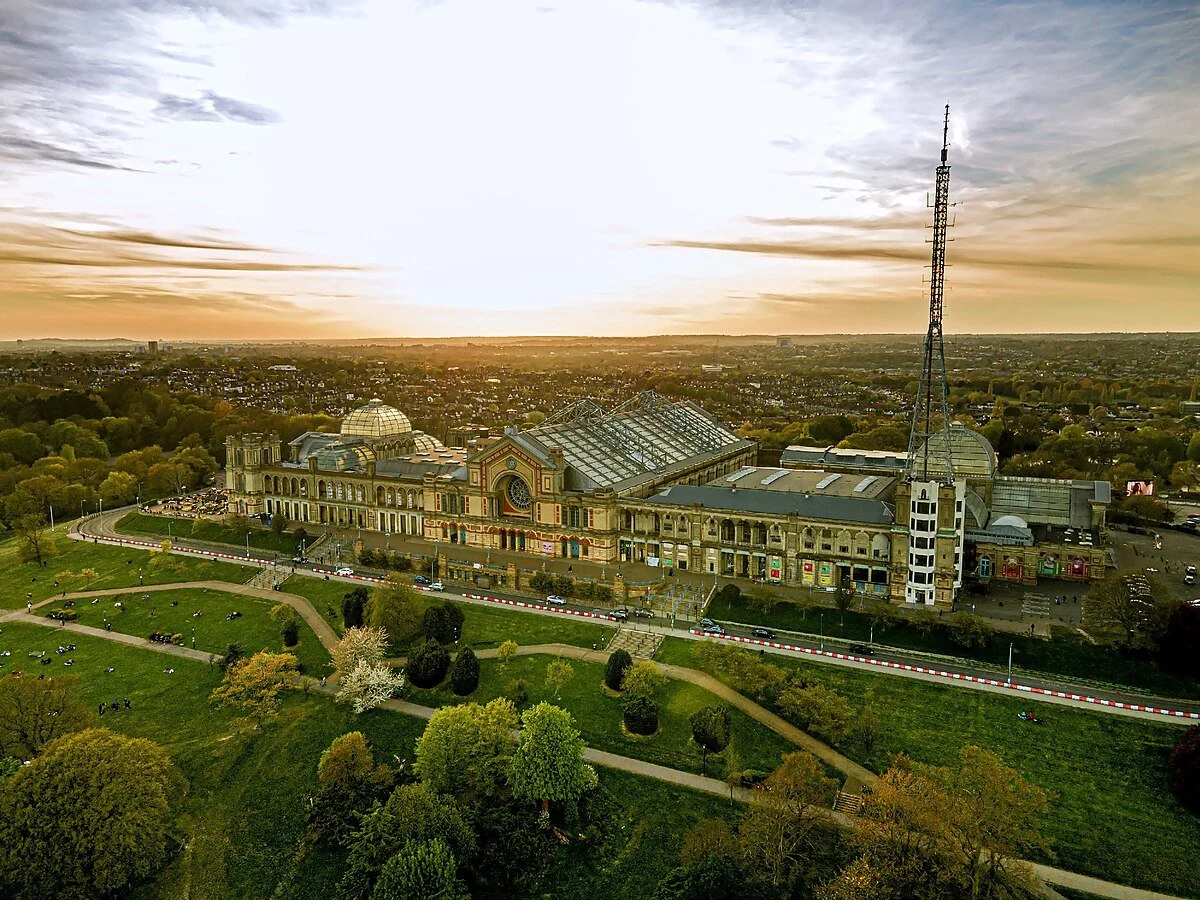
Alexandra Palace
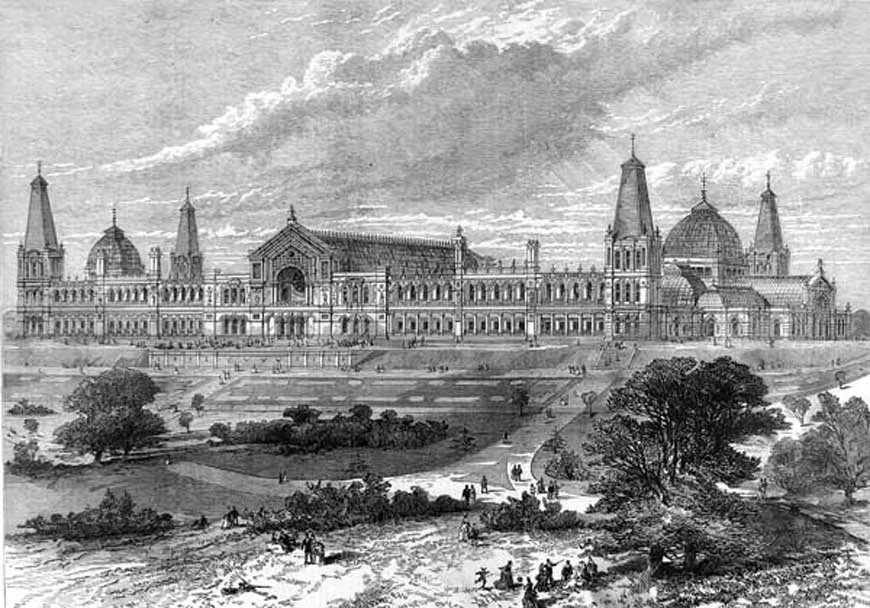
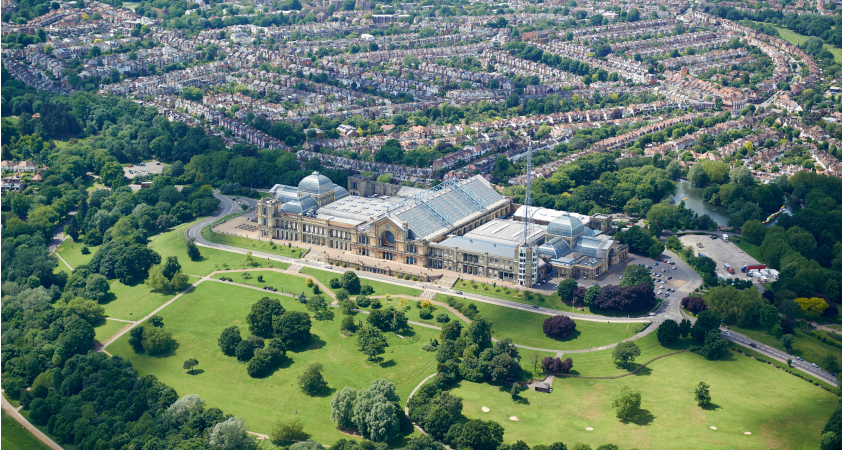
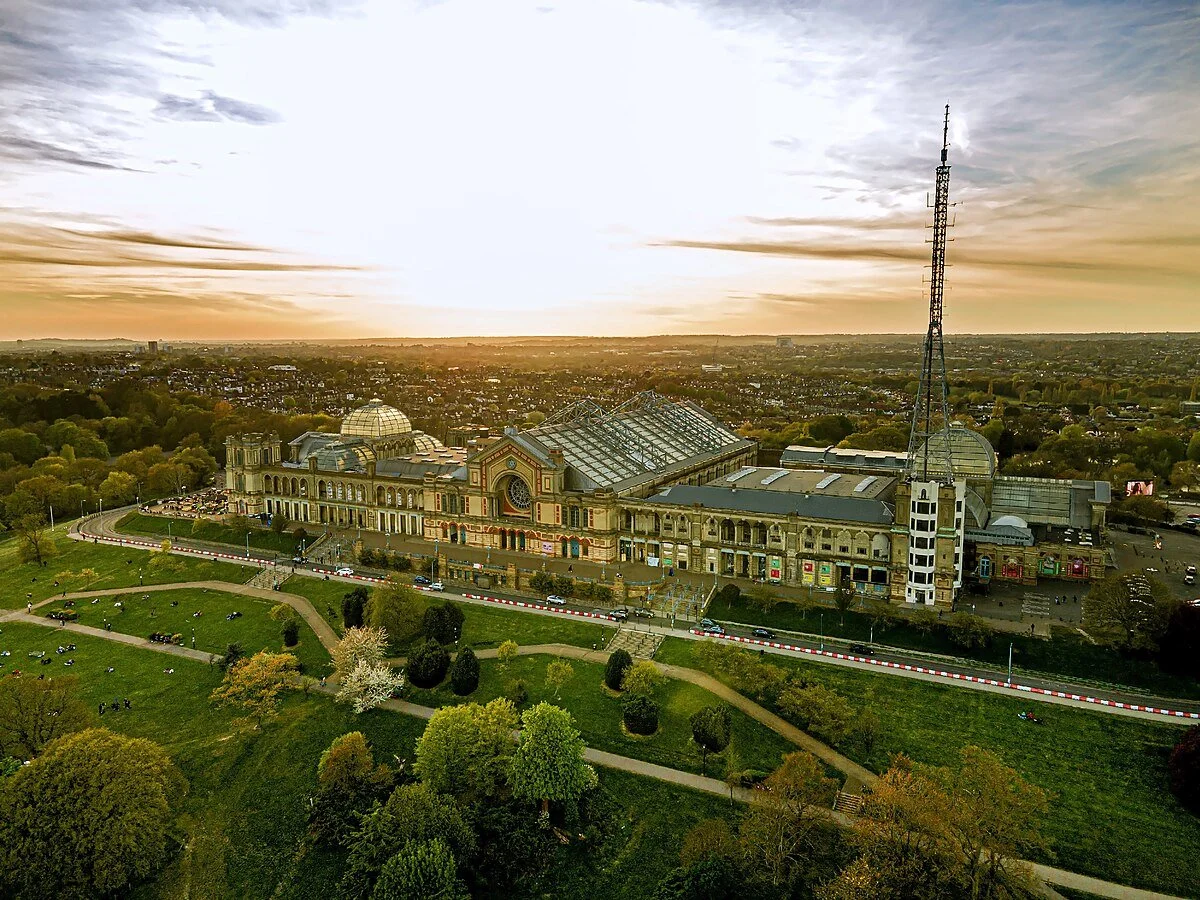
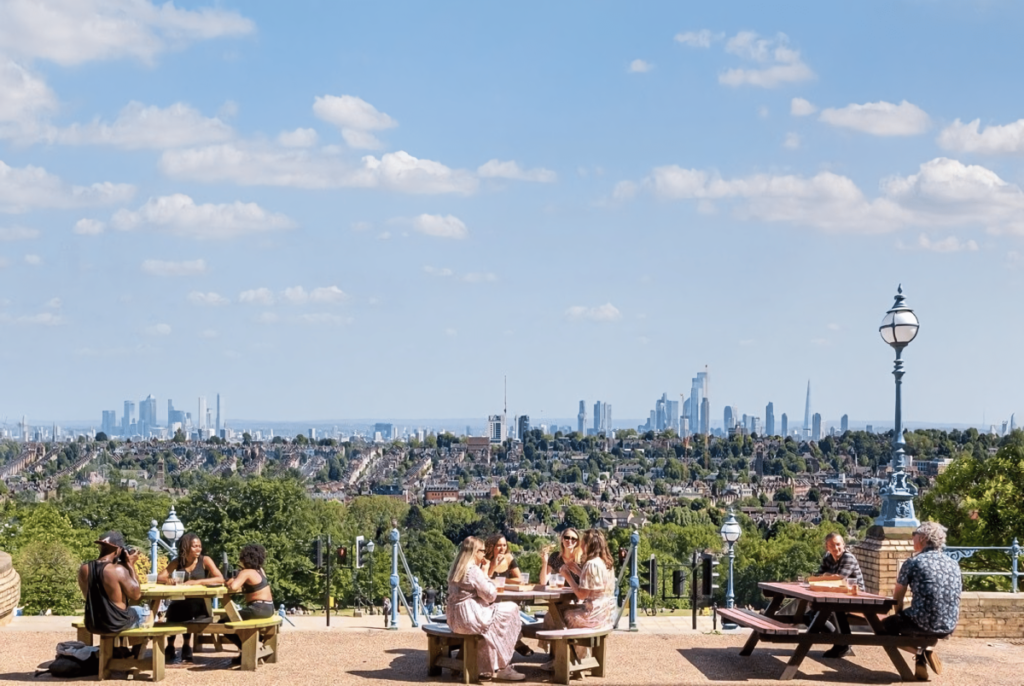
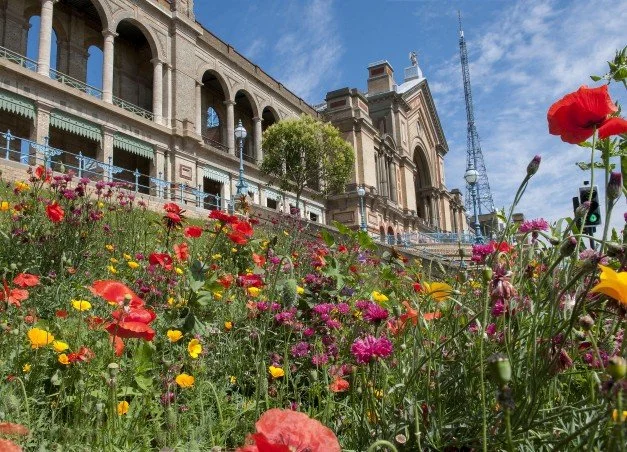
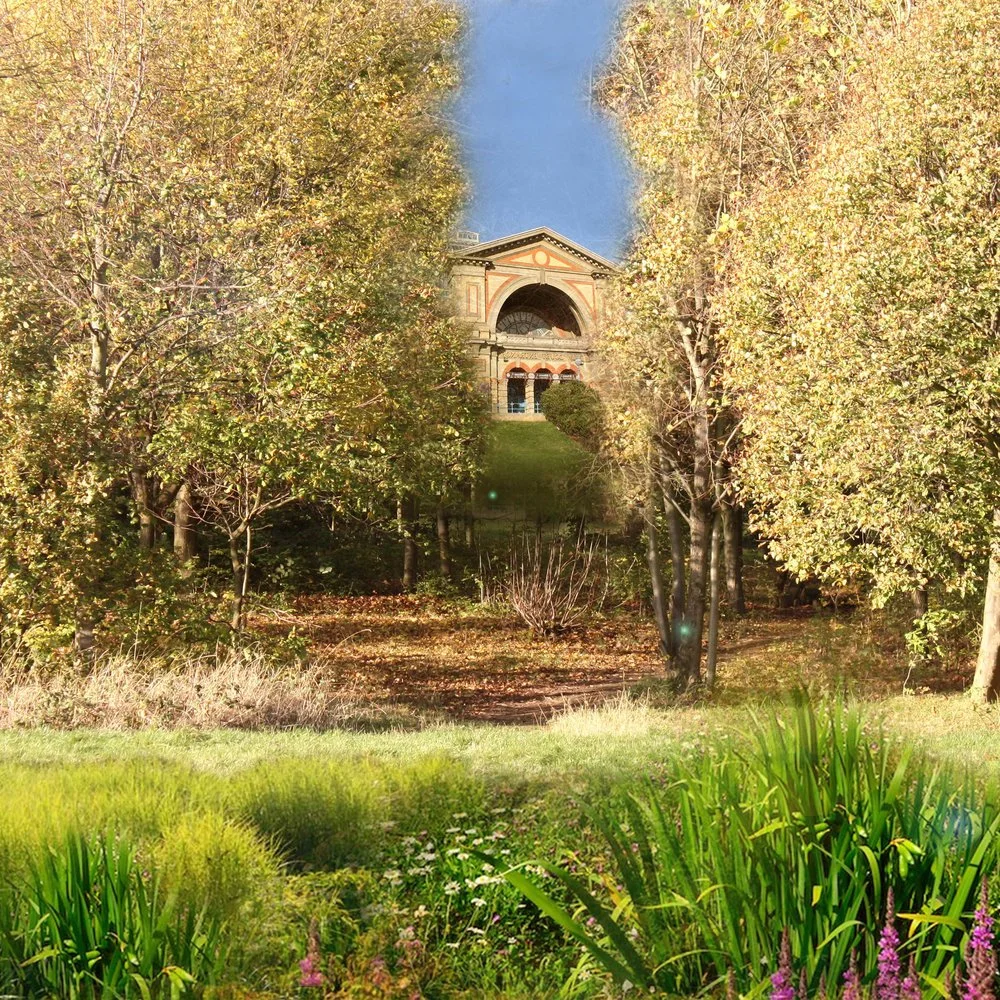
This Grade II listed building, sitting in almost 200 acres of landscaped parkland on one of the highest points of North London, has had a colourful history since it opened in 1873 as a ‘People’s Palace’ to educate and entertain the masses of London, with almost 1 million square feet of exhibition halls, libraries, lecture rooms, dining rooms and a 3,000-seater theatre.
Completely destroyed by fire only 16 days after opening, the palace was rebuilt to a new design in 1875, but struggled to sustain itself financially until the arrival of the British Broadcasting Company (BBC) in the 1930s.
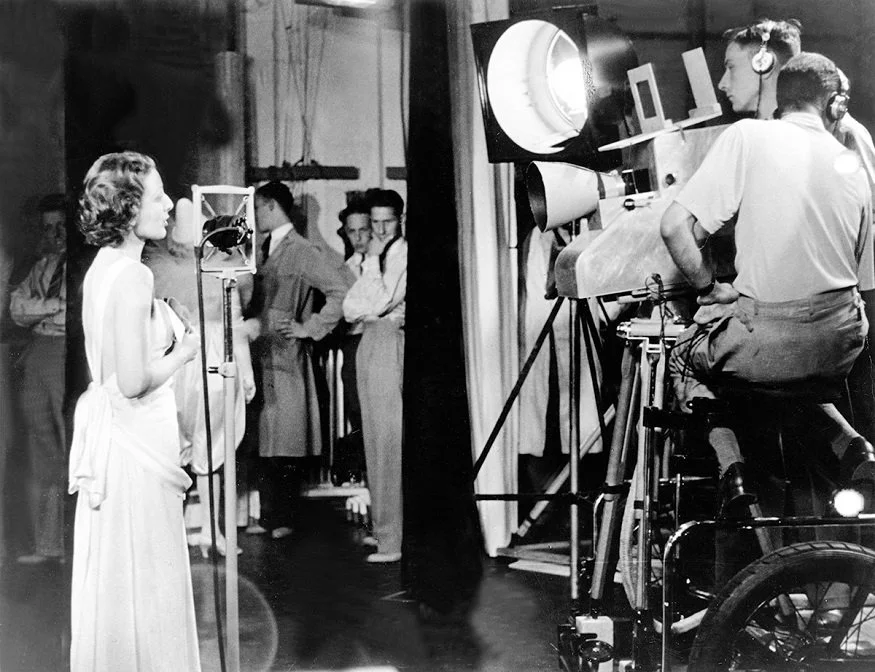
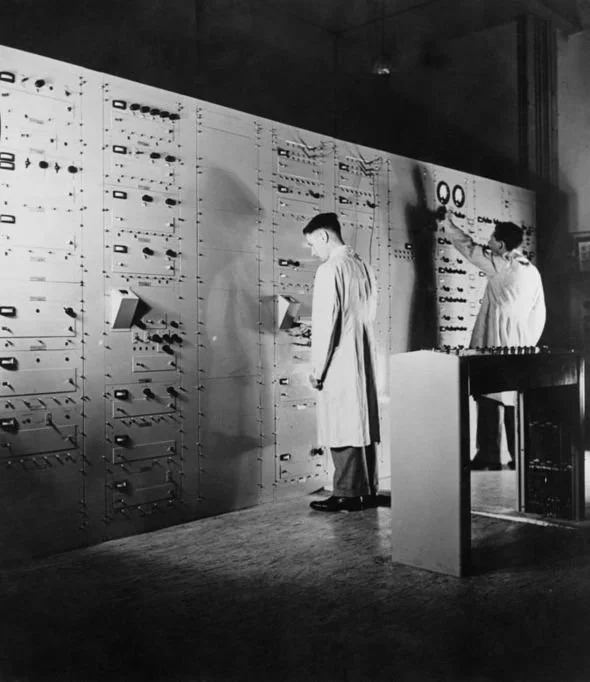
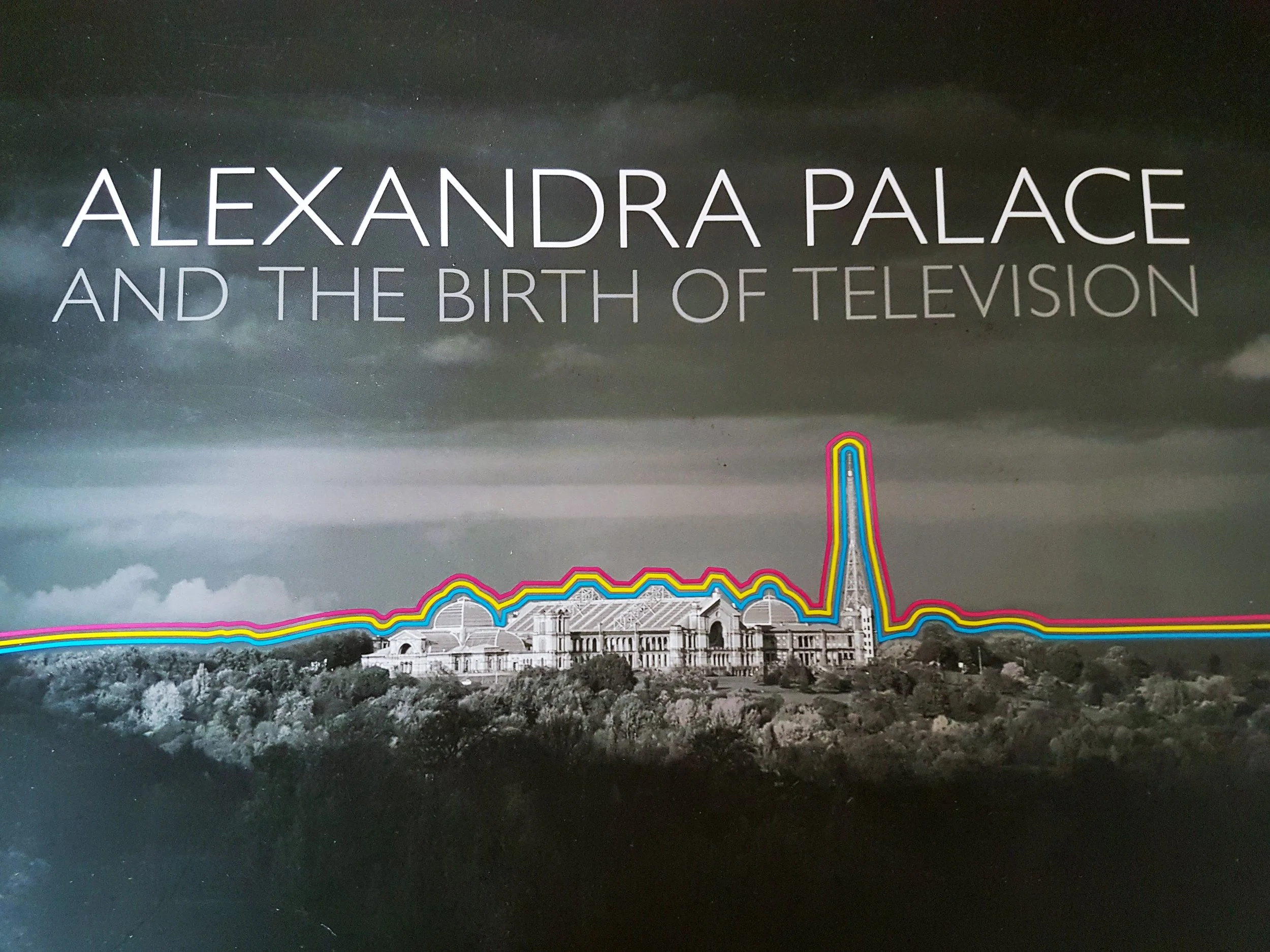
The BBC’s move to Alexandra Palace coincided with the development on an exciting new technology - high-definition television broadcasting. At Alexandra Palace the BBC oversaw the development of the two competing technologies - developed by Baird and Marconi-EMI. The Marconi-EMI system the BBC eventually adopted, is still used to this day as the global standard for all analogue TV broadcasts.
The world's first-ever television broadcast was from Alexandra Palace in 1936. The Studios in which the competition between Baird and Marconi-EMI, and all subsequent TV and radio broadcasts were made, still exist at Alexandra Palace, but are not currently accessible to the general public due.
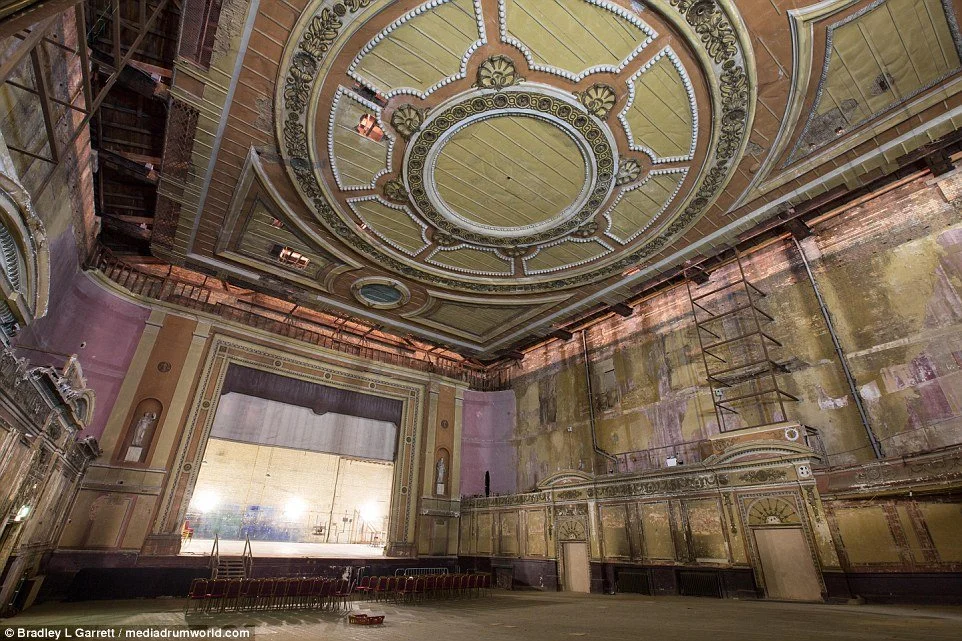
The opening of the BBC’s brand new Television Centre at White City in West London in 1960 saw most TV broadcasting activities transferred there. Although the Palace was still used for some broadcasting - notably for news and ‘The Open University’) - it gradually declined, and suffered extensive damage in another huge fire in 1980.
In 2012, Kerri was brought in to develop and lead a £ multimillion transformation programme for the Palace, including:-
a 10-year, £100m ‘fabric restoration’ plan of repairs & upgrades to the Palace buildings & infrastructure, to enable it to be removed from Heritage England’s ‘at risk’ register; safeguard its future as an important national heritage attraction; and for it to function better as an events venue
a complete overhaul of the existing Palace operations, including resolving long-standing backlogs with the outsourced facilities management (FM) contract; designing & implementing a phased plan to bring the FM function back ‘in-house’; significantly reducing operating costs through ‘Invest-to-Save’ and efficiencies; reviewing & improving existing leases and associated income streams
restructuring staffing, and developing the Palace’s first Community Engagement, Education and CSR policies and services
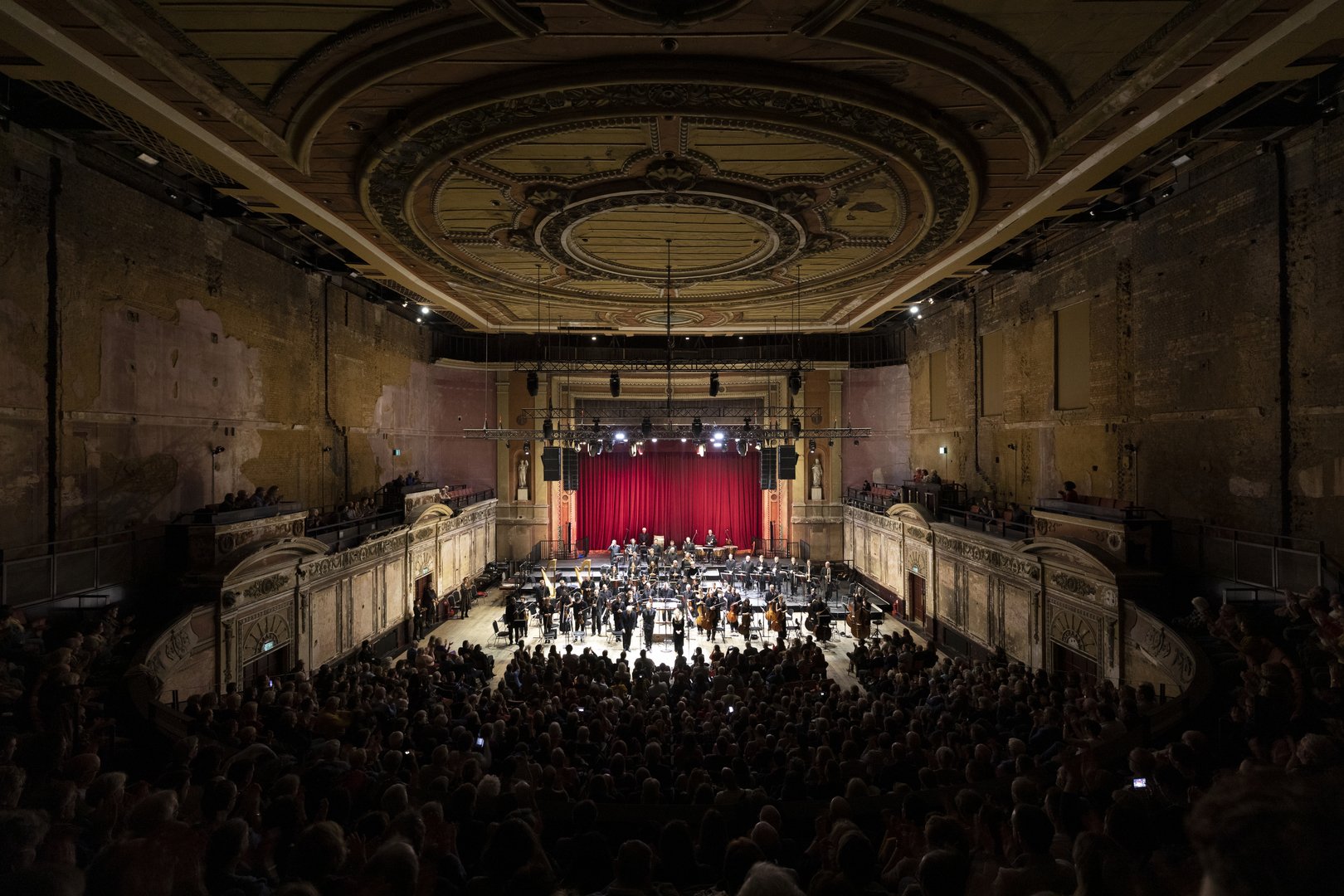
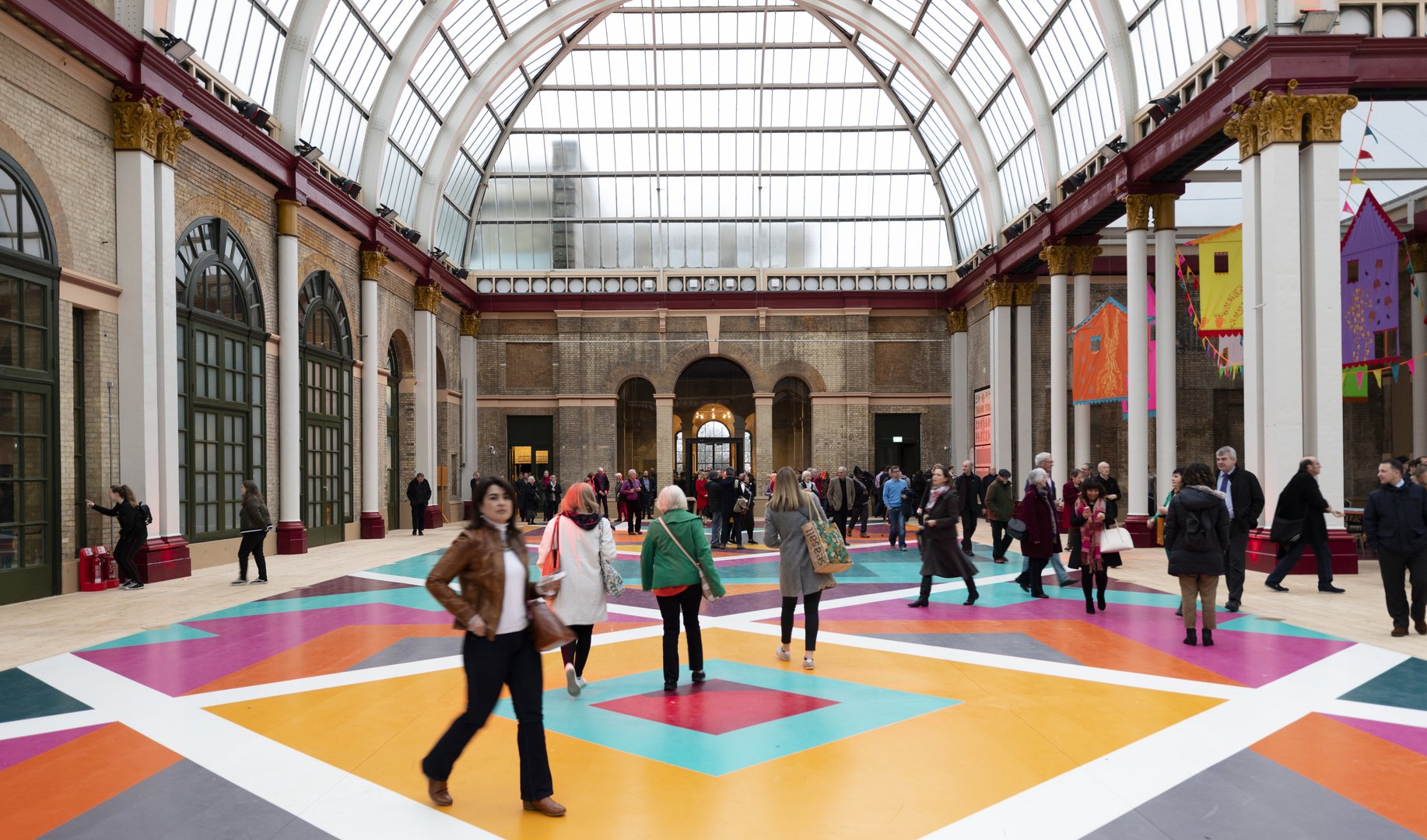
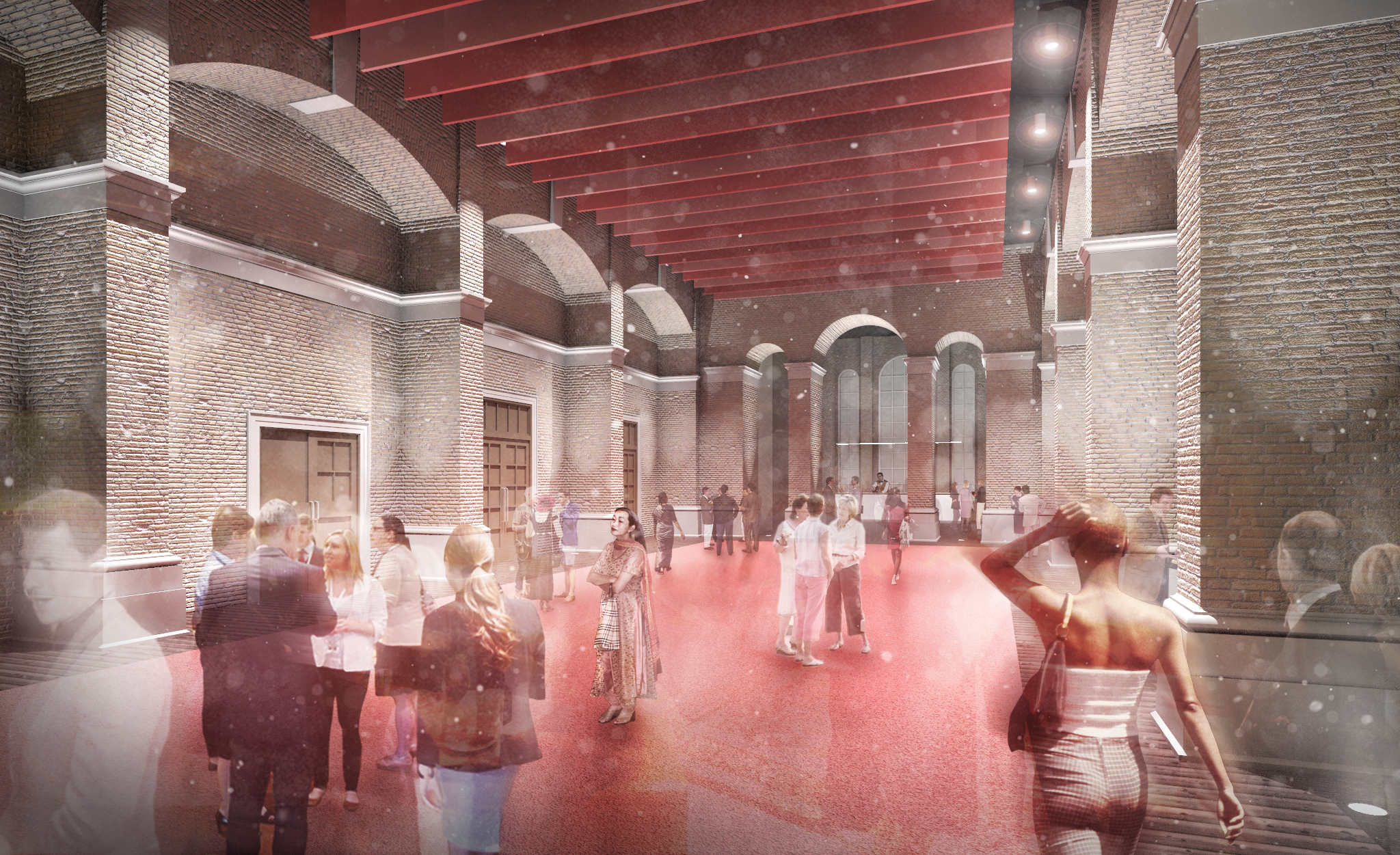
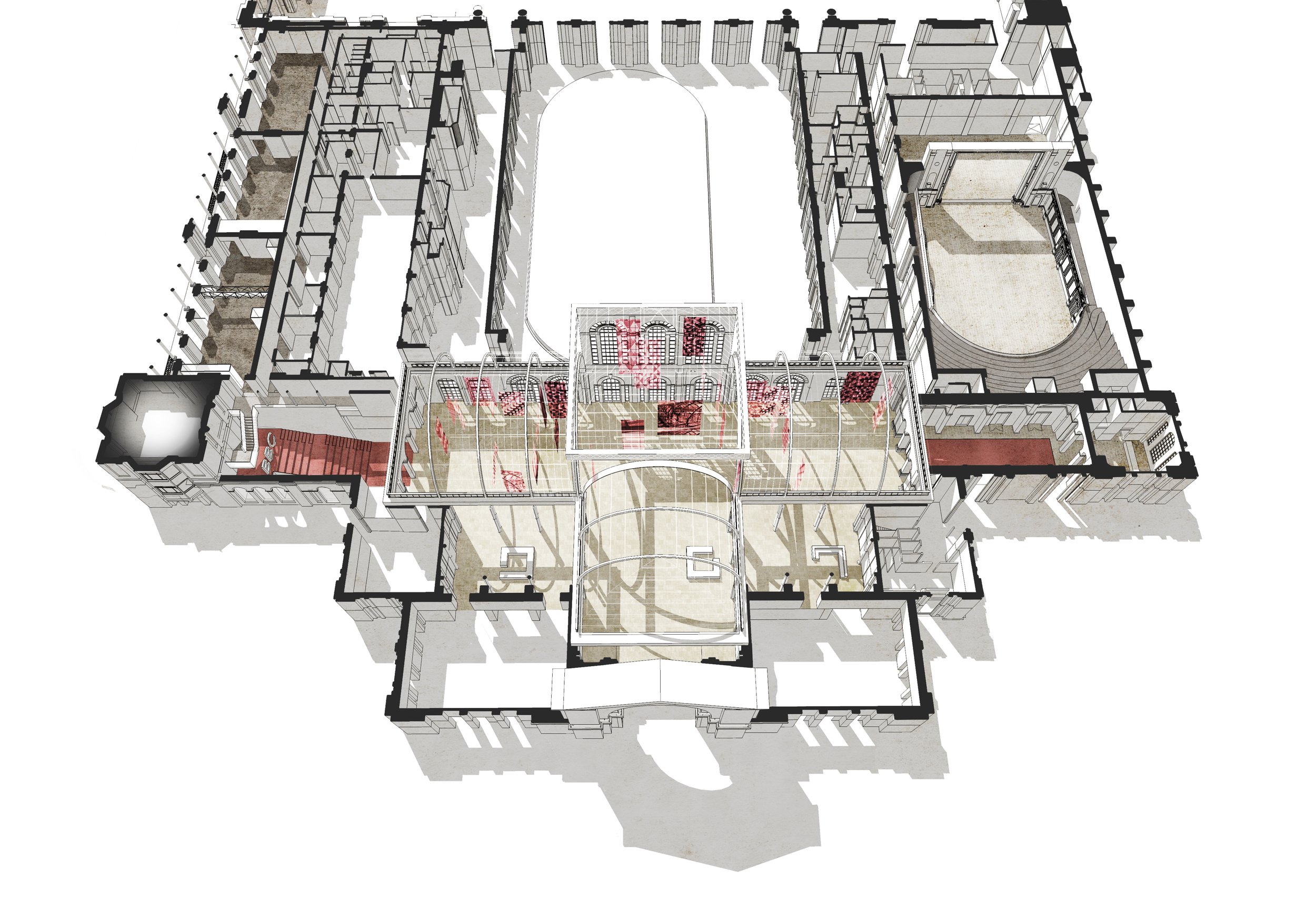
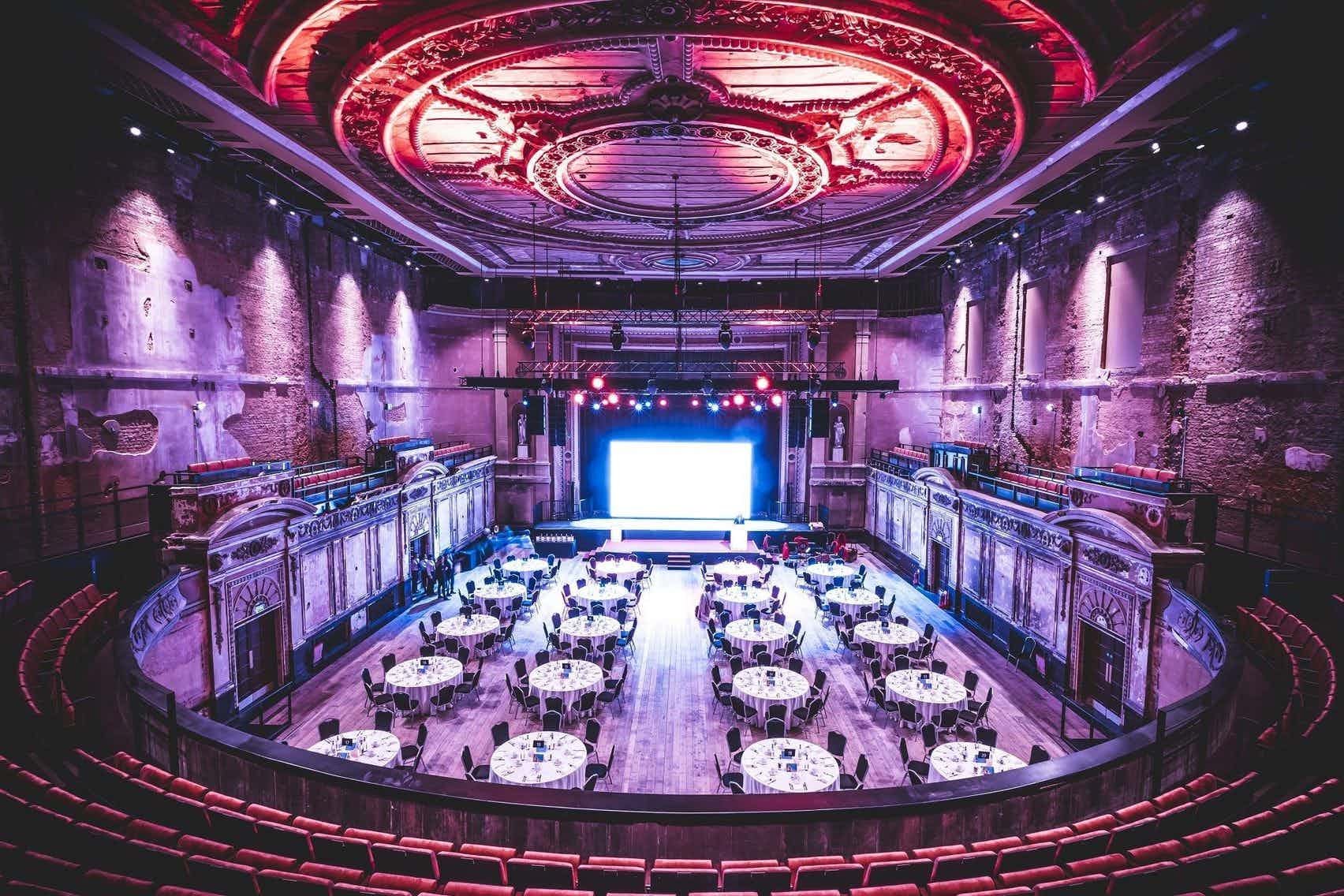
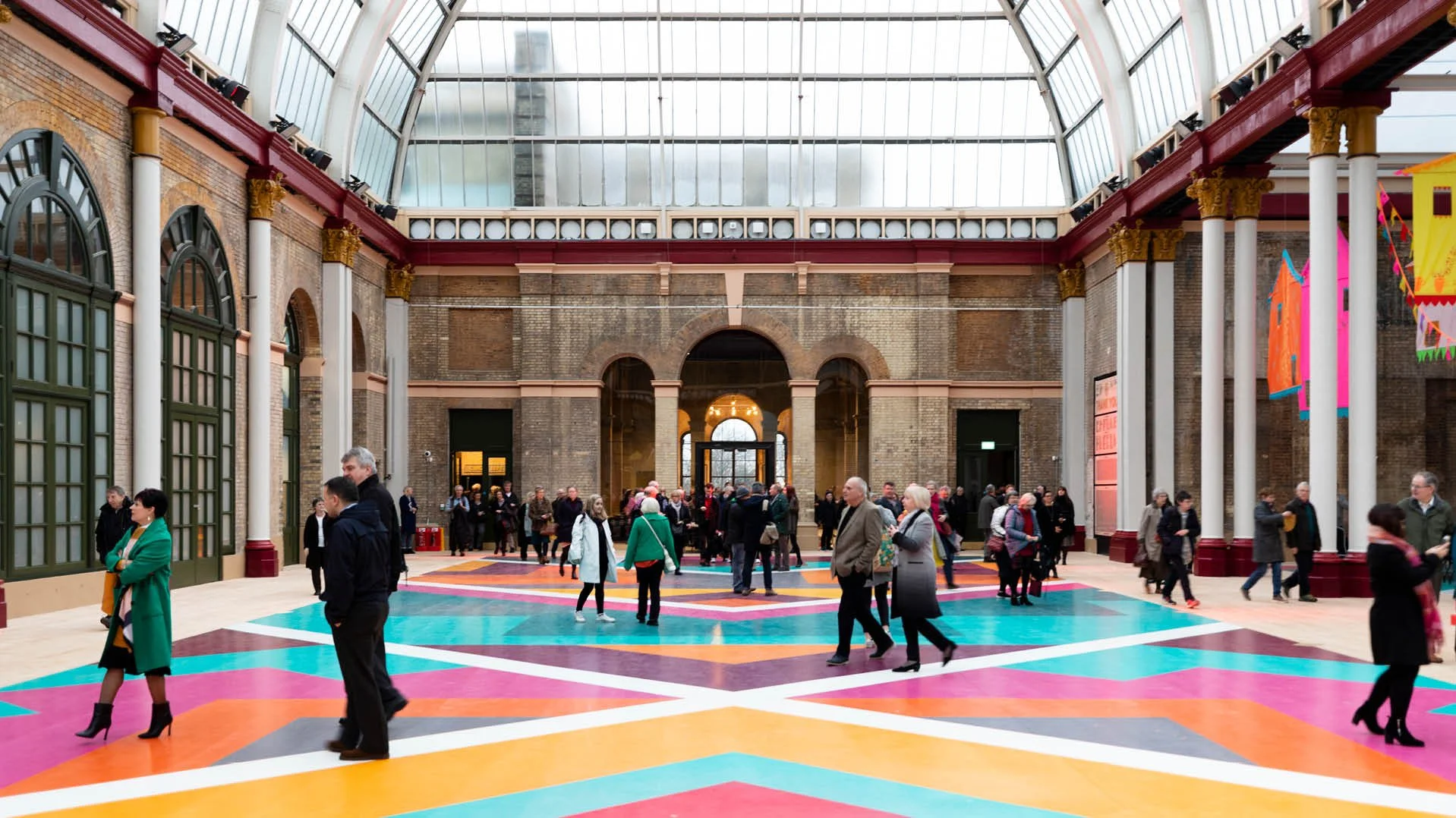
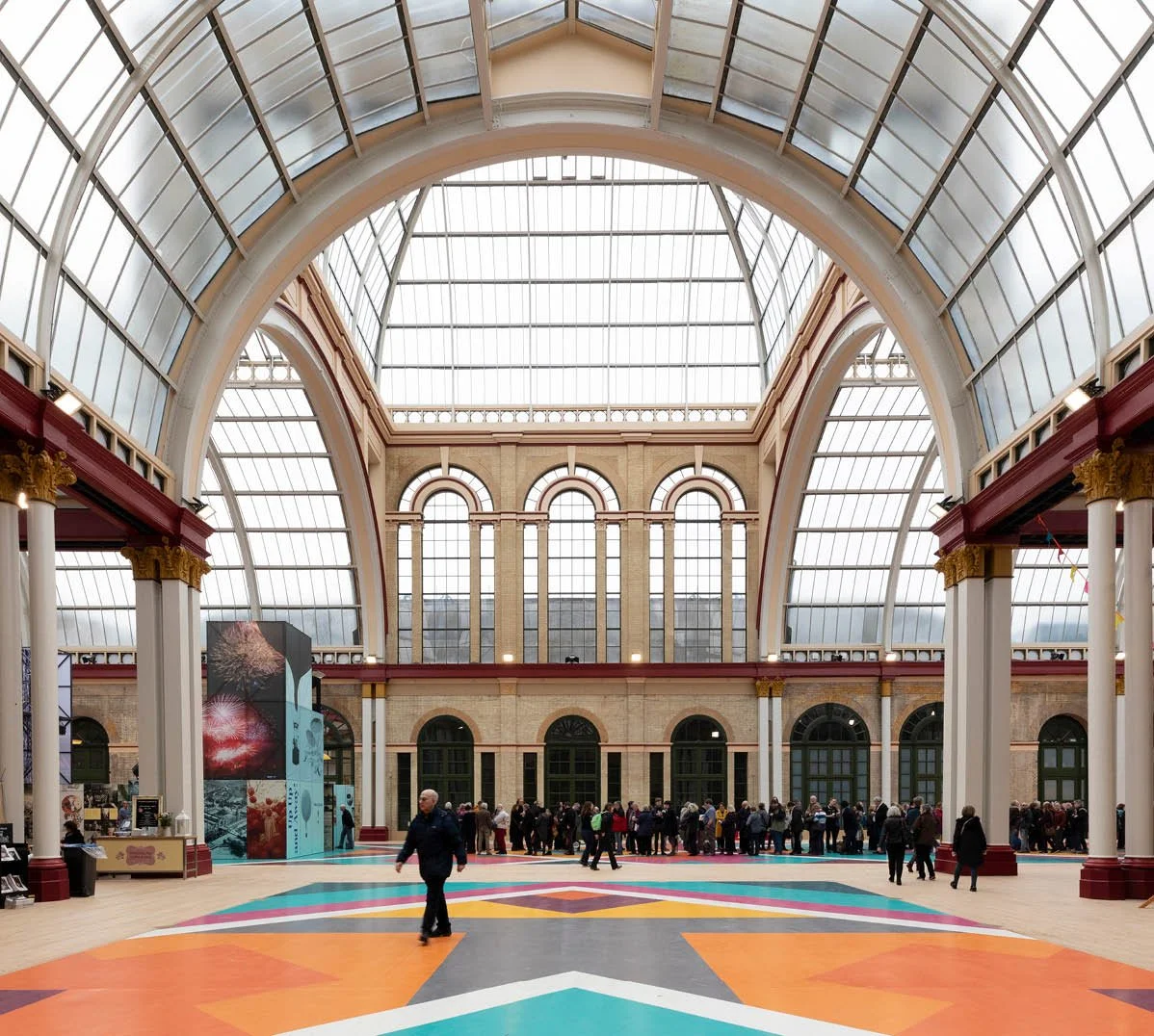
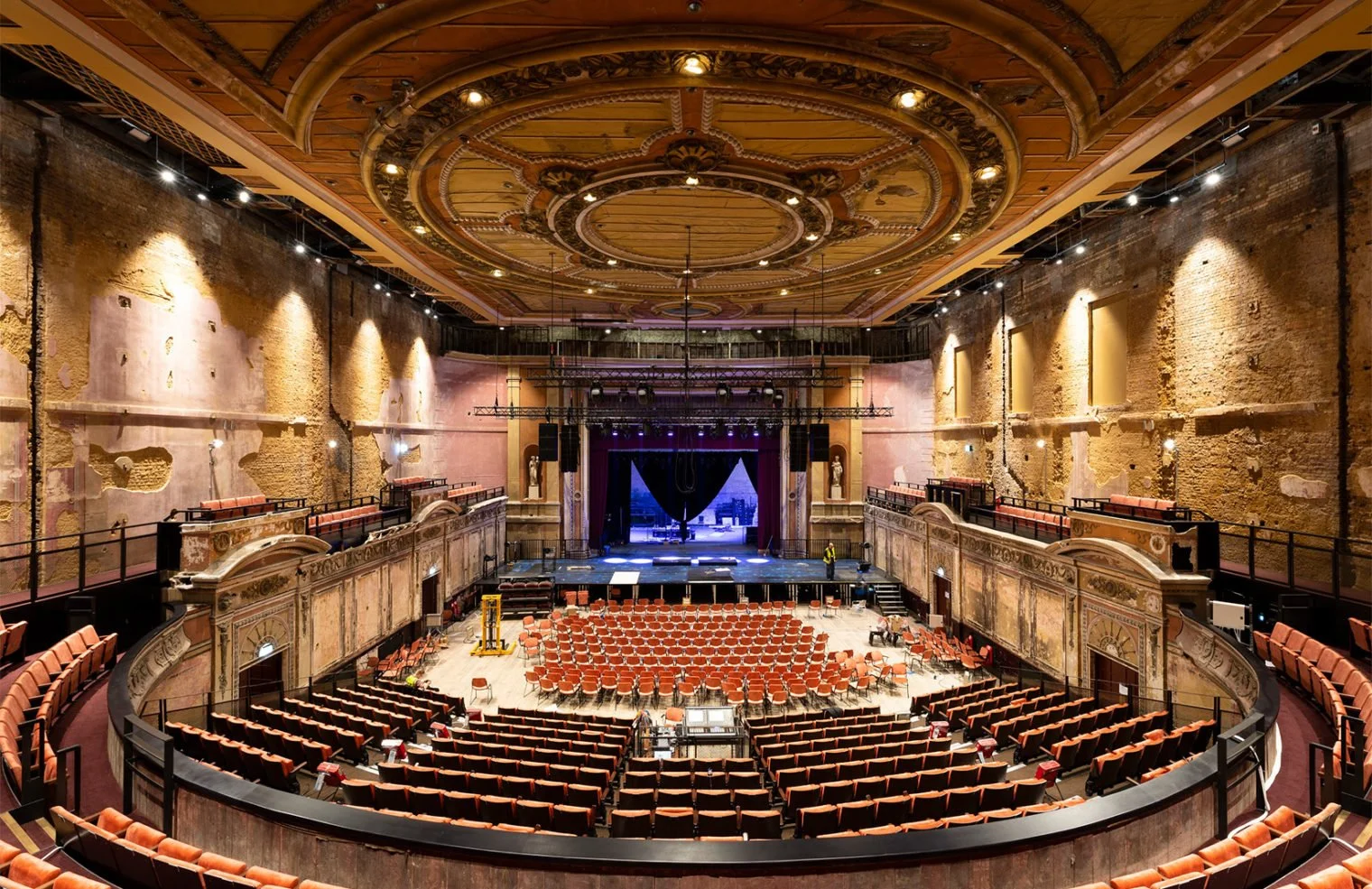
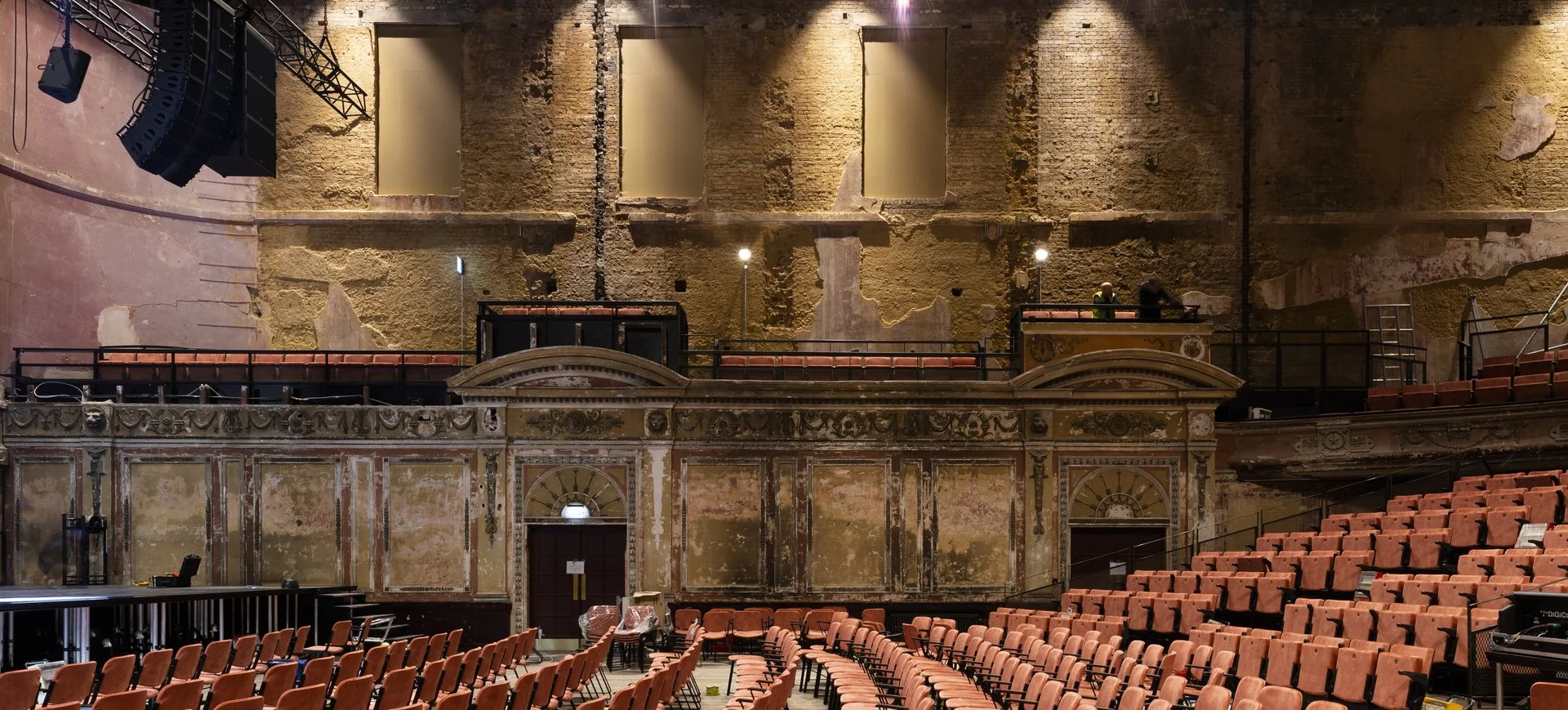
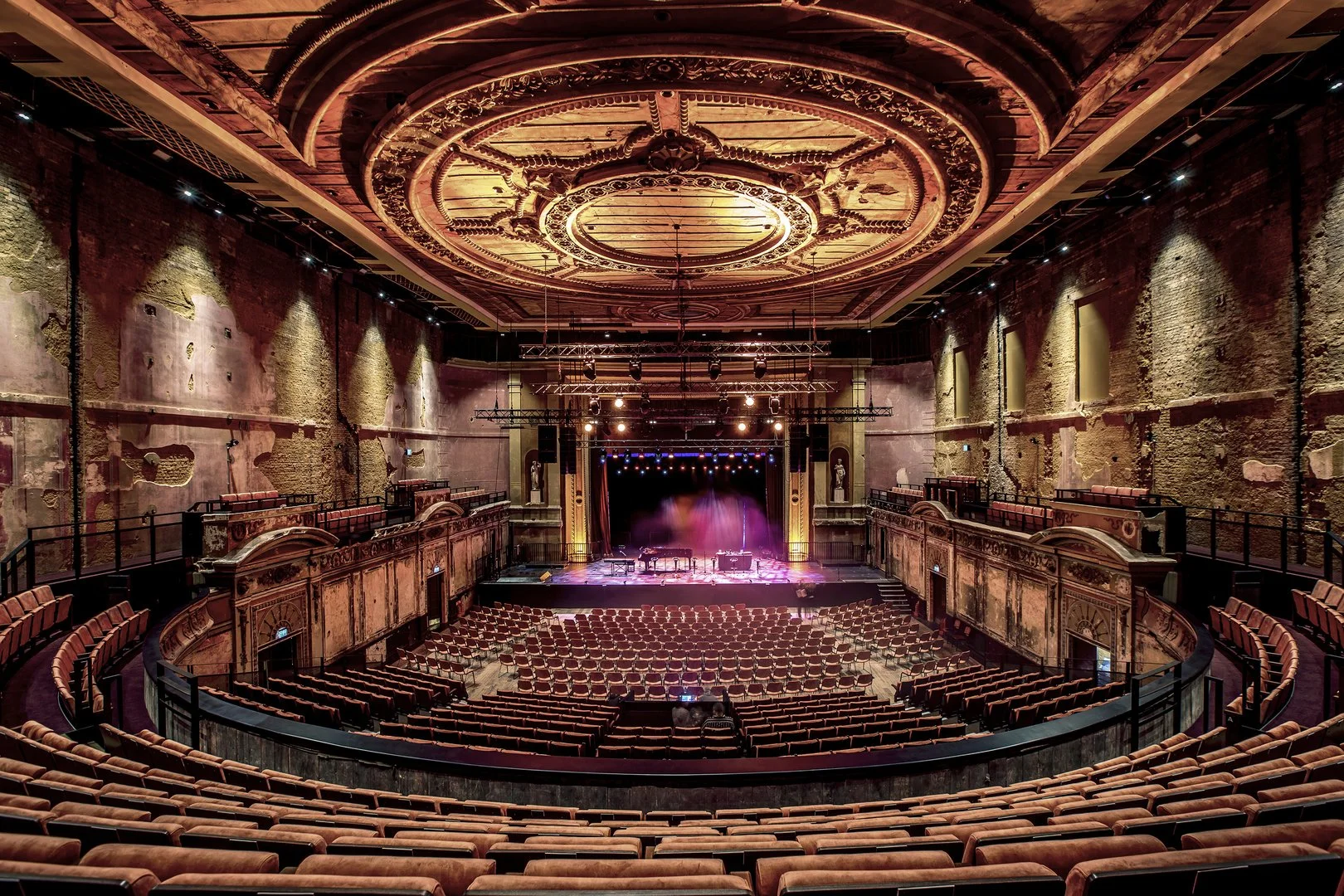
the £30m restoration of 8000 sq m of the largely-derelict East Wing: this created a new contemporary 'Front of House' entrance to the Palace, transformation of the Theatre into a flexible performance space, restoration of historic fabric (external and internal), and plans for an interactive visitor attraction based on the story of television at the Palace in the actual spaces where this took place. I appointed and led a design team headed by Fielden Clegg Bradley Studios, with support from Max Fordham, Mott MacDonald, Alan Baxter Associates, Charcoal Blue, Barker Langham, The Fire Surgery, Gillespies, Sweett Group, and Purcell Architects; secured required Planning, Listed Building and Conservation Area consents; delivery of a full communications and engagement campaign; led a successful £19m Heritage Lottery Fund (HLF) submission.; and led partnership negotiations with the BBC, Google, etc.
The East Wing project won awards before it opened to great acclaim in 2018. It has since continued to be acclaimed - most recently as ‘2025 UK Events Venue of the Year’ - and regularly hosts popular concerts, events, festivals, etc, with a capacity of up to 10,250 people indoors, and up to 90,000 outdoors. It is also now the permanent home of the BBC’s very popular seminal “Later… with Jools Holland” live music show, which has run since 1992.
In my time at the Palace I delivered a 78% increase in income, and a 27% decrease in operational costs. The foundations I laid have led to the Palace becoming one of London’s most successful and popular heritage attractions & event venues.
Gallery: